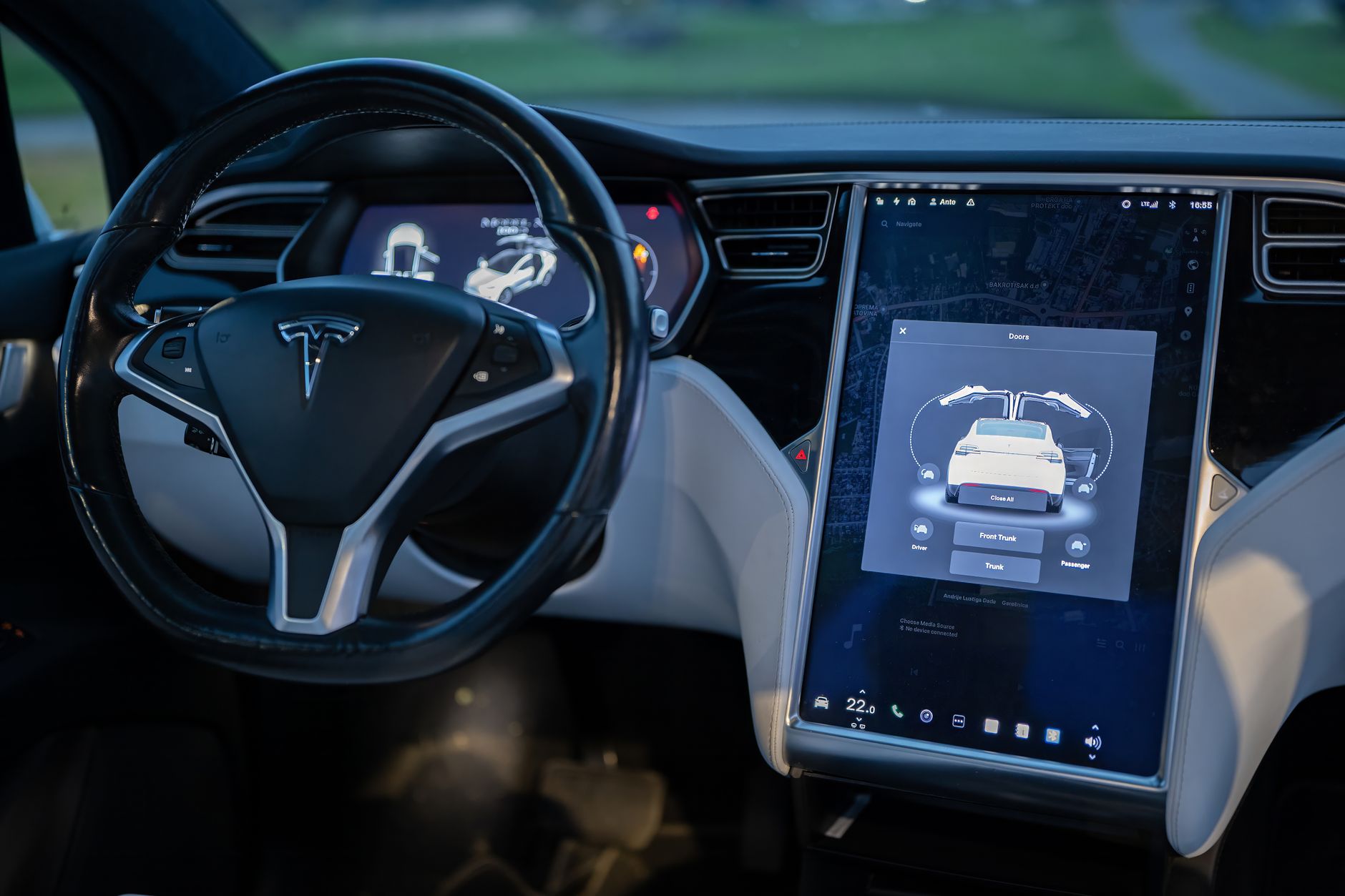
Elon Musk stood on stage in 2016 and promised a car that could drive itself across the country by 2017. Nine years, countless software updates, and one full rebrand later, that cross-country trip still hasn't happened. But Tesla's Full Self-Driving (FSD) is once again in the spotlight, and this time, the stakes feel different.
The latest FSD beta — version 12.5, for those keeping score — is rolling out to a wider pool of testers. Early reports are glowing: smoother lane changes, better handling of unprotected left turns, and a newfound confidence in urban chaos. But here's the thing — we've heard this before.
The Promises That Piled Up
Remember when Musk said Tesla owners could earn $30,000 a year by having their cars operate as robotaxis while they slept? That was 2019. The clock is still ticking. The promise of FSD has always been a carrot on a stick — just close enough to taste, but never quite within reach.
What makes this iteration different? For one, it's the first version built on a unified architecture that ditches legacy code. Tesla's AI team claims FSD 12.5 is the first to rely entirely on neural nets for both perception and decision-making. No more hand-coded rules. The car learns from billions of miles of real-world driving data. In theory, it's smarter, faster, and closer to human-like intuition.
“We've removed every line of code that wasn't necessary. The car now drives like a human — sometimes better, sometimes worse, but always learning.” — Elon Musk, 2026 shareholder meeting
But here's the problem: a neural net is a black box. Even Tesla's engineers can't fully explain why the car makes certain decisions. That's fine when it works. When it fails — and it will — the lawsuits will write themselves.
The Regulatory Wall
No matter how good FSD gets on public roads, it's still a Level 2 system. That means the driver is legally responsible for every second behind the wheel. Tesla has been fighting for regulatory approval of Level 3 autonomy for years, but the NHTSA moves at the speed of bureaucracy.
Meanwhile, competitors like Waymo and Cruise have leapfrogged Tesla in key metrics: fully driverless miles, geographic coverage, and regulatory trust. Waymo's fleet has logged over 100 million autonomous miles without a single at-fault fatality. Tesla's FSD? No one knows the real numbers because Tesla refuses to disclose them.
That's the dirty secret of FSD: it's a marketing term, not a technical one. Tesla charges $12,000 for a feature that still requires a fully alert human behind the wheel. The contradiction is staggering.
The Cult of the Beta
And yet, people buy it. They line up. They post videos on YouTube titled “FSD TAKES ME TO WORK — NO INTERVENTION!” with the same fervor as a religious testimony. There's something about being part of the experiment that makes owners feel like pioneers.
It's a brilliant psychological trap. By calling it a beta, Tesla insulates itself from liability. Beta software is, by definition, unfinished. You pay twelve grand to be a tester. And you thank them for it.
But there's an emotional cost. I've interviewed owners who describe their love-hate relationship with FSD: the joy of a perfect drive, the terror of a sudden phantom brake, the frustration of a system that sometimes works and sometimes doesn't. It's not a product. It's a relationship.
And relationships don't scale.
The Verdict
So where does FSD stand in 2026? It's better than ever, but still not 'there.' If 'there' means a car that can truly drive itself without supervision, we're probably years away — maybe a decade. But if 'there' means a system that makes driving easier, safer, and more enjoyable, FSD 12.5 might be the closest thing yet.
The real question isn't whether the technology works. It's whether we're willing to accept the trade-off: convenience for control, progress for privacy, trust for transparency. Tesla wants us to bet on the black box. I'm not ready to bet my life on it.