War ends, dollar falls. That's the playbook, right? Not this time.
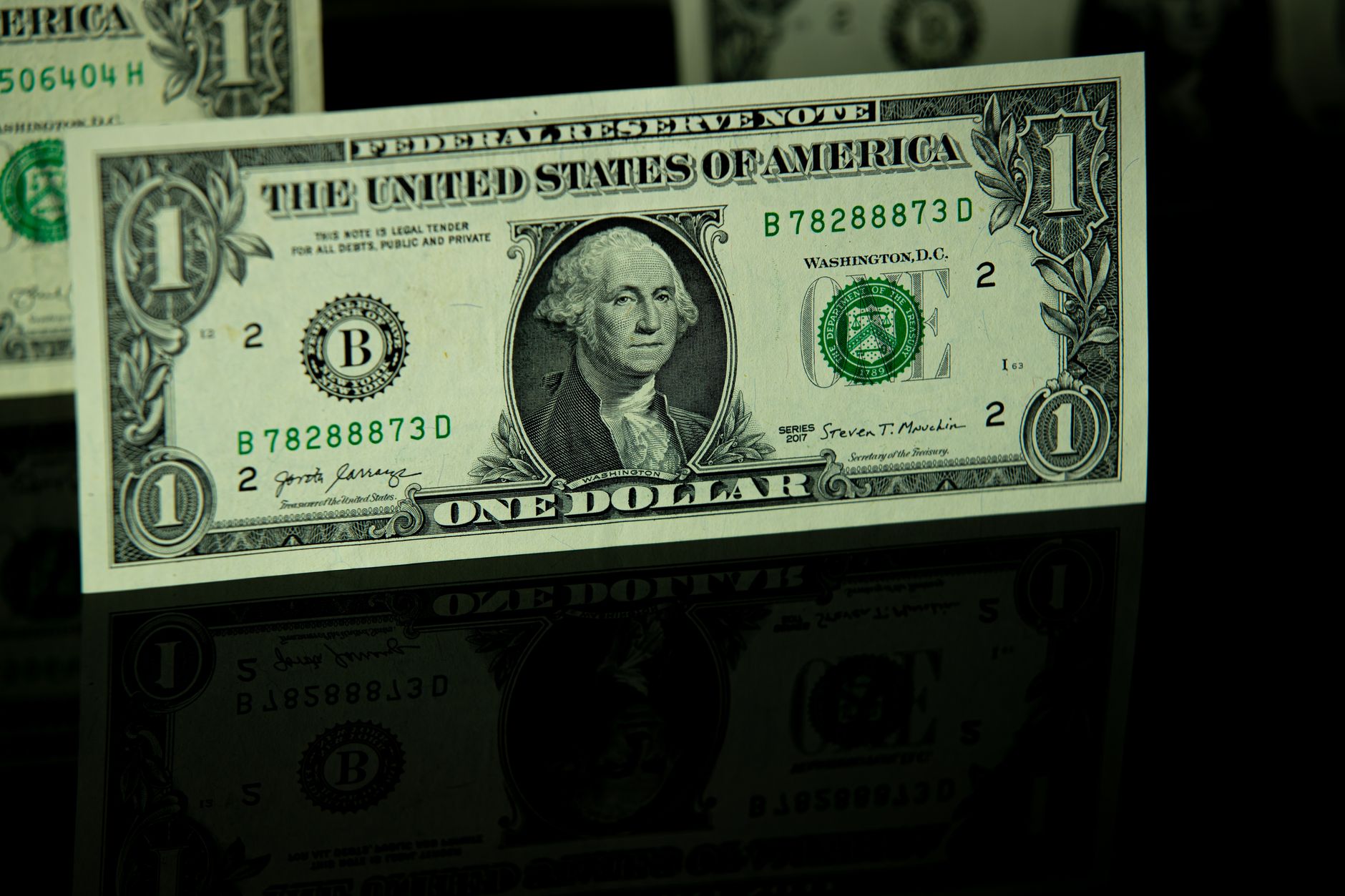
The ceasefire in the Gulf was supposed to send the greenback tumbling. Investors were supposed to dump their safe-haven dollars and pile into riskier assets. Instead, the dollar is sitting at its highest level of the year, laughing at the so-called experts.
What the hell is going on? Here are five reasons the dollar keeps climbing — and why it might not stop anytime soon.
1. The Fed is still the baddest central bank on the block
While the European Central Bank and Bank of Japan are still fiddling with negative rates and yield curve control, the Federal Reserve has already raised rates three times this year. The message is clear: we're serious about inflation. That attracts capital. Foreign investors looking for yield have to buy dollars. Simple math.
"The Fed is the only game in town for real returns," says a currency strategist at Goldman. "Everyone else is still in crisis mode."
The rate differential between U.S. Treasuries and German bunds? Widest in a decade. That's like chum in the water for currency sharks.
2. The 'peace dividend' is a mirage
Sure, the Gulf war is over. But the region is a mess. Iran is still destabilizing, oil infrastructure is wrecked, and no one trusts the truce to hold. So where do nervous global investors park their cash? Not in emerging markets. Not in the euro. They park it in the dollar.
The dollar's safe-haven status didn't vanish when the peace treaty was signed. It just shifted from "war fear" to "uncertain peace." Same result: everyone buys dollars.
3. The global economy is still limping
China's property crisis isn't over. Europe is flirting with recession. Japan's demographics are a ticking time bomb. The dollar benefits from the misery of others.
When the rest of the world looks shaky, the U.S. looks like the cleanest shirt in the dirty laundry pile. GDP growth here isn't spectacular, but it's steady. Employment is solid. Consumers are still spending. Compared to the alternative, America is a safe bet.
4. Oil prices are falling — and that's weirdly good for the dollar
Falling oil prices usually hurt the dollar because oil is priced in dollars. But here's the twist: lower oil prices reduce inflation globally, which forces other central banks to keep rates low. Meanwhile, the Fed is still hiking. That gap? Dollar positive.
Also, oil-exporting nations are selling less oil, so they need fewer dollars? Actually, they need more dollars to stabilize their own currencies. It's counterintuitive, but the dollar rally has a perverse logic.
5. Everyone is short the dollar
Hedge funds piled into short-dollar trades expecting a post-war collapse. When that didn't happen, they got squeezed. Hard. Now they're scrambling to cover, which only pushes the dollar higher.
It's the oldest story in markets: the most crowded trade is the most dangerous. The dollar rally is part fundamentals, part forced buying from panicked speculators.
So what happens next?
The dollar can't go up forever. At some point, the Fed will pause, or the global economy will recover, or the peace will actually hold. But for now, the greenback is the king of currencies, and it's not abdicating anytime soon.
If you're betting against the dollar, you'd better have deep pockets. And a high tolerance for pain.