Some films die quiet deaths. They get a theatrical run that nobody notices, a couple of VHS copies in a bargain bin, and then they're gone. Camp Miasma was never that kind of movie. It clawed its way out of the drive-in gutter in 1980, sank its teeth into a generation's nightmares, and never let go. Now, nearly half a century later, its body count is measured in sequels, spinoffs, and a mountain of merchandise that would make a franchise like Star Wars blush.
Ridiculous. And yet, undeniable.
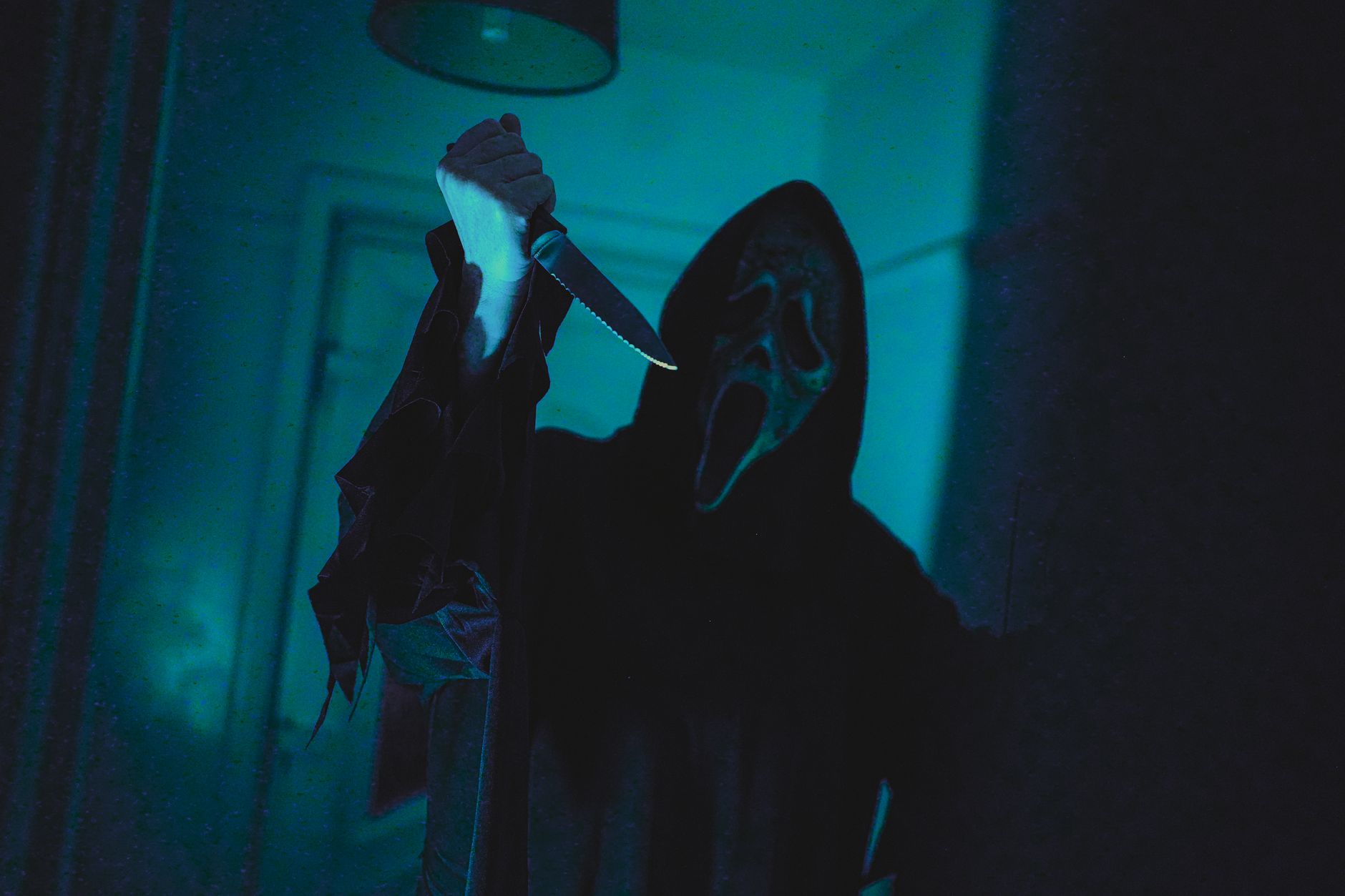
The original Camp Miasma was a masterpiece of low-budget dread. A group of teenage camp counselors, a fog-shrouded lake, a killer with a homemade mask and a warped sense of justice. The plot wasn't Shakespeare, but it didn't need to be. It was pure, unadulterated terror, the kind that makes you check the backseat on the drive home. Director Ambrose Coyle shot the whole thing in twenty-one days on a budget that wouldn't cover a day of catering on a modern superhero shoot. The result felt raw, messy, alive.
The Body Count Keeps Rising
Critics, of course, hated it. Called it 'sleazy,' 'exploitative,' 'a glorified snuff film.' They completely missed the point. Camp Miasma wasn't about the blood — it was about the fear. The primal, irrational fear that something is lurking just beyond the firelight. That someone is watching you from the tree line. That the masked figure you've been laughing at all night is, in fact, the last thing you'll ever see.
And the audience got it. They showed up in droves. The film made back its budget thirty times over in the first year alone. The sequels came fast and furious: Camp Miasma 2: The Reckoning, Camp Miasma 3: Blood Lake, Camp Miasma 4: The Final Camp (which wasn't final at all). Each one pushed the envelope further, killed off the remaining counselors with increasingly elaborate set pieces, and left the door open for a franchise that would come to define the slasher genre for a generation.
'The first film was a happy accident. The second was a cynical cash grab. The third was a fever dream. The fourth was a circus. And somehow, they all work.' — Horror historian Dr. Lena Vasquez
But the real genius of Camp Miasma wasn't in the films themselves. It was in the merchandising machine that surrounded them. You couldn't walk into a drug store in 1985 without seeing Camp Miasma lunch boxes, alarm clocks, and Halloween costumes. The masked killer, known only as 'Miasma,' became an icon. His face — a grotesque, sewn-together leather mask with a crooked smile — was plastered on everything from cereal boxes to board games. There was even a Camp Miasma arcade cabinet, a beat-'em-up that let you play as the killer himself, which became a cult hit in seedy arcades across the country.
From Camp to Cash Machine
It's easy to mock this kind of rampant commercialization. And I do. But there's something to be said for the sheer audacity of it all. Camp Miasma wasn't just a movie franchise; it was a cultural virus. It infected everything it touched, turning a low-budget horror flick into an unstoppable marketing machine. The lunch boxes, the board games, the alarm clocks — they weren't just merchandise. They were little pieces of the nightmare, passed from hand to hand, household to household. They made the fear portable.
And that's what separates Camp Miasma from the countless other slashers that flooded the market in the early '80s. Friday the 13th had its hockey mask. Halloween had its creepy kid with a kitchen knife. But Camp Miasma had something more: a brand. A logo. A mascot that could be printed on a toothbrush. It was the first slasher franchise to truly understand that the movie was just the opening act. The real show was the stuff you could buy.
But with success came dilution. By the time Camp Miasma 7: The Reckoning Part II rolled around in 1989, the franchise was a parody of itself. The kills were absurd, the actors were interchangeable, and the plot had been recycled so many times it was barely a whisper. The fans, once rabid, grew weary. The box office take dwindled. And after Camp Miasma 8: Back to the Lake, the franchise faded into the obscurity it had so desperately tried to escape.
Or so it seemed.
The Eternal Second Life of Camp Miasma
Because horror movies don't die. They just wait. And in the age of streaming, Camp Miasma found a new audience. The original film, once consigned to graveyard slots on late-night TV, was rediscovered by a generation raised on ironic nostalgia and 'so-bad-it's-good' rewatches. The sequels, too, found their people — kids who grew up on the VHS covers at Blockbuster, now grown up and eager to revisit the terror of their youth.
Today, Camp Miasma is a bona fide cultural institution. It's referenced in countless podcasts, parodied in YouTube videos, and dissected in academic papers. The franchise's influence can be seen in every modern horror film that dares to set its story in a remote location with a body count. It's not just a slasher movie. It's a blueprint.
'Camp Miasma is the horror franchise that refuses to die. It's the undead of the genre — just when you think it's gone, it claws its way back to the surface.' — Film critic Jared Okafor
The merchandise, too, has found a second life. Those lunch boxes and alarm clocks that were once the bane of parents' existence are now prized collector's items, selling for hundreds of dollars on eBay. There's a Camp Miasma convention. There's a Camp Miasma escape room. There's even a Camp Miasma-themed line of craft beers, each named after a memorable kill from the franchise. It's absurd, sure. But it's also a testament to the enduring power of a well-crafted scare.
The Nostalgia Trap
Of course, fidelity to the franchise has its limits. The recent attempts to reboot Camp Miasma for the modern era have been, to put it kindly, disasters. The 2022 'reimagining' stripped away all the grindhouse grit and replaced it with slick, CGI-laden horror that felt more like a video game than a nightmare. It was a commercial flop, a critical laughingstock, and a painful reminder that you can't bottle lightning twice.
But that's okay. Because the original Camp Miasma, and even its best sequels, remain untouched by time. They're ugly, messy, and a little bit gross — and that's exactly why they work. They don't pretend to be anything other than what they are: cheap, nasty, and gloriously effective. They give you the shivers. They make you laugh. And they make you remember why you fell in love with horror in the first place.
So here's to Camp Miasma. The franchise that never should have been, that defied all odds, and that continues to haunt the edges of our collective consciousness. It's a monster that won't stay dead. And honestly, why would we want it to?
The scariest thing about Camp Miasma isn't the masked killer. It's the fact that we can't stop looking. We'll watch the sequels, buy the merchandise, and tell our friends to check out that 'classic' from 1980. We'll keep the nightmare alive, because deep down, we love being scared. And as long as we do, Camp Miasma will be there — lurking, waiting, ready for the next kill.