Prior records for U.S. equity issuance came in 1929 and 2000 — and we all know what happened next. Yet here we are, staring down the barrel of another record-breaking IPO pipeline, with SpaceX and OpenAI leading the charge. And nobody seems to care. They're too busy chasing the next big thing, ignoring the fact that every time the IPO market hits a fever pitch, the market gets a fever — and dies.
The data is ugly. According to Renaissance Capital, the volume of IPOs filed for the first half of 2026 has already surpassed the full-year totals of 2024 and 2025 combined. Combined. We're talking about a flood of companies rushing to cash out before the music stops. And the two biggest names — SpaceX and OpenAI — are the ones holding the baton.
The 1929 and 2000 Playbook
Let's do a quick history lesson. In 1929, right before the Great Depression, the IPO market exploded. Companies that had no business being public — like investment trusts with names straight out of a Dr. Seuss book — were snapped up by investors who thought the party would never end. Then came October, and the Dow lost 89% of its value. The IPO pipeline? It dried up faster than a puddle in Phoenix.
Fast forward to 2000. The dot-com bubble. Pets.com, Webvan, and a thousand other companies with 'e-' prefixes went public, raised billions, and then imploded. The Nasdaq crashed 78%. And what was the common denominator? A record number of IPOs in the preceding months. Coincidence? Sure, if you believe in fairy tales.
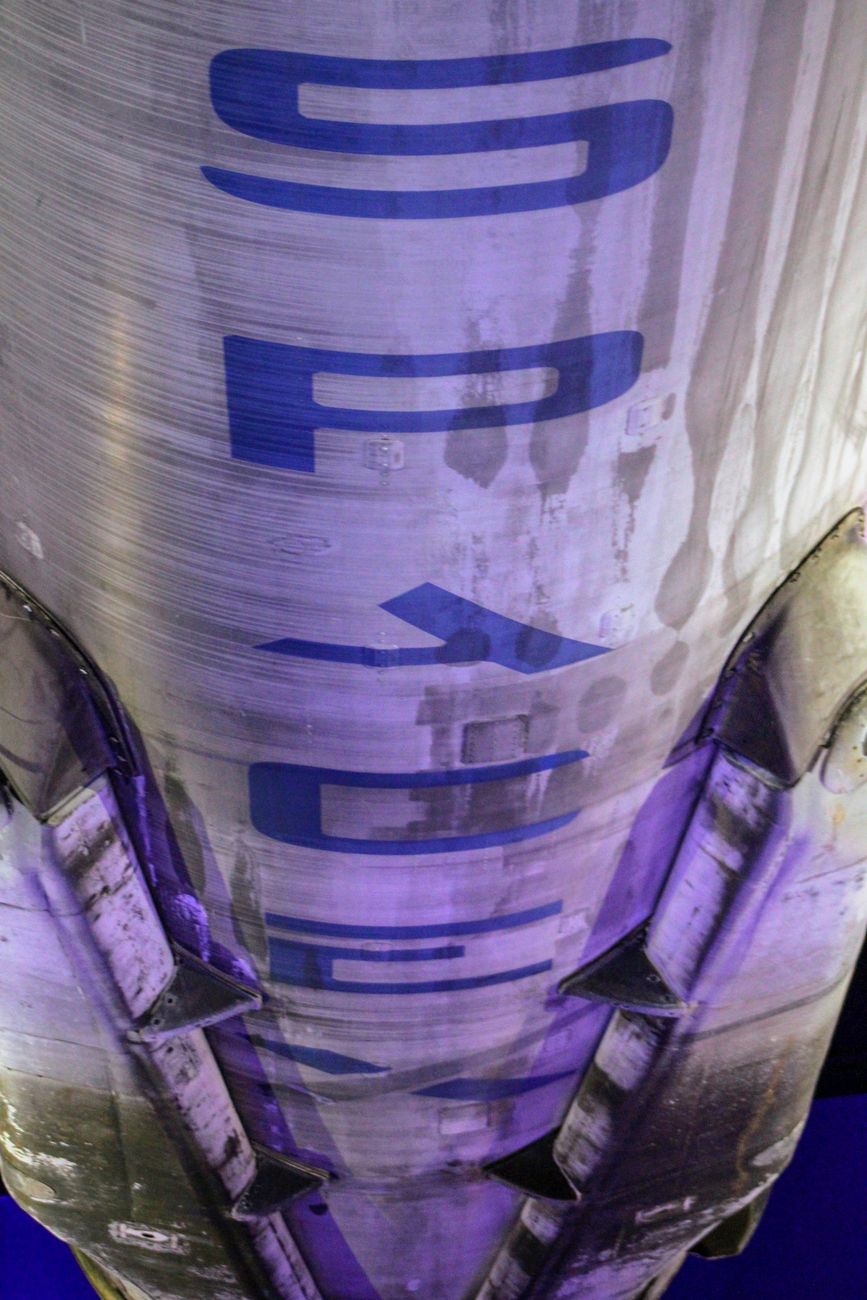
Now look at 2026. We've got SpaceX — Elon Musk's rocket company that's valued at $180 billion in private markets — and OpenAI, the AI darling that's supposedly worth $150 billion. Both are reportedly planning massive IPOs. And they're not alone. A wave of tech unicorns, SPAC survivors, and crypto-adjacent startups are lining up to tap public markets. The total issuance could top $300 billion this year. That's a lot of shares hitting the market, and a lot of selling pressure waiting to happen.
The Valuation Problem
Here's the thing about SpaceX and OpenAI: they're not profitable. Not really. SpaceX makes money from launches and Starlink, but its valuation is largely a bet on Mars colonies and space tourism. OpenAI? It burns cash like a teenager with a credit card, spending billions on compute and talent while its revenue — mostly from ChatGPT subscriptions — is a drop in the bucket compared to its valuation.
When these companies go public, their retail investors — the ones who bought the hype on Reddit and TikTok — will be forced to price them against actual earnings. And that's where the trouble starts. A 40% market crash isn't just possible; it's probable if these IPOs trigger a mass repricing of growth stocks.
Think about it: if SpaceX IPOs at a $200 billion valuation, that's 10x its revenue. If it pulls a Rivian — which lost 80% of its value post-IPO — that's $160 billion in market cap vaporized. OpenAI? Even worse. It's priced like a monopoly, but competition is fierce. Google, Meta, and a dozen startups are all throwing money at AI. If OpenAI stumbles, the entire sector could tumble.
"Every time the IPO market hits a fever pitch, the market gets a fever — and dies."
The Liquidity Trap
There's another factor nobody wants to talk about: liquidity. The Fed has been tightening for months, and quantitative tightening is sucking cash out of the system. Meanwhile, the IPO pipeline is demanding billions. Where is that money supposed to come from? It's not like there's a pile of dry powder sitting around. Institutional investors are already overweight on tech. Retail investors are tapped out. The only way to absorb these IPOs is to sell existing holdings, which depresses prices across the board.
And let's not forget the lockup expirations. When insiders can finally sell their shares — usually 90 to 180 days after the IPO — the floodgates open. Remember what happened to Uber? It went public at $45, popped a bit, then collapsed to $14 as lockups expired. Now imagine that happening with SpaceX and OpenAI simultaneously. The ripple effect would be catastrophic.
The Regulatory Blind Eye
The SEC is supposed to protect investors, but it's been asleep at the wheel. IPO filings are approved with minimal scrutiny. Financials are rosy. Risk factors are buried in fine print. And the underwriters — Goldman Sachs, Morgan Stanley, JPMorgan — are making billions in fees. They have no incentive to pump the brakes.
Meanwhile, the media is complicit. Every article about SpaceX or OpenAI is a puff piece. 'The Next Tesla.' 'The Future of AI.' Nobody asks the hard questions: 'Why is this company going public now?' 'Is this a liquidity event for early investors, or does the company actually need capital?' 'What happens if the market turns?'
I'll tell you what happens: the market turns. It always does. And when it does, the IPO pipeline becomes a death pipeline. Companies that raised money at high valuations will be forced to down-round or go bankrupt. Retail investors will be left holding the bag. And the cycle will repeat itself, because it always does.
The Bottom Line
So here's my verdict: brace for impact. The IPO pipeline is a 40% crash waiting to happen. SpaceX and OpenAI are the triggers, but the real problem is a system that rewards hype over fundamentals. History doesn't lie. 1929, 2000, and now 2026. The only question is whether you'll be smart enough to get out before the music stops.
Or maybe you won't. Maybe you'll buy the IPO, hold through the lockup, and wonder why your portfolio is down 40%. Don't say I didn't warn you.