I've burned more loaves than I care to count. My starter has died twice—once because I forgot to feed it, once because I moved and it never recovered. Baking sourdough is a labor of love, but let's be honest: it's also a labor of tedious, repetitive chores. Stretch and fold. Wait. Stretch and fold again. Wait longer. It's enough to make anyone reach for the instant yeast.
The Machine That Does the Grunt Work
Enter the Sourdough Sidekick, a new countertop gadget from the team that brought you the popular Salad Station. But instead of slicing veggies, this one handles the wet, sticky mess of sourdough. It kneads, it stretches, it even bulk-ferments. You just dump in your flour, water, and starter, then walk away.
“The Sourdough Sidekick handles the wet, sticky mess of sourdough. You just dump in your flour, water, and starter, then walk away.”
The Sidekick was codeveloped with King Arthur Baking Company, the gold standard in flour and baking advice. That partnership alone gives it credibility. But the bigger question: does a gadget like this ruin the romance of artisan bread?
Artisan vs. Automated: A False Choice
Sourdough purists will scoff. They'll tell you that the magic is in the hands-on process—the feel of the dough, the rhythm of the fold. But here's the thing: most of us aren't pro bakers. We're home cooks who want a decent loaf without turning our kitchen into a flour bomb. The Sidekick isn't replacing skill; it's replacing drudgery.
The machine's design is deliberately minimalist. No digital display. No Wi-Fi. Just a clear plastic dome, a mixing paddle, and a few simple buttons. It's about as low-tech as a modern gadget gets. You set the hydration, choose your cycle, and let it run. Two hours later, you've got a perfectly developed dough ready to shape and bake.
But Does the Bread Taste Good?
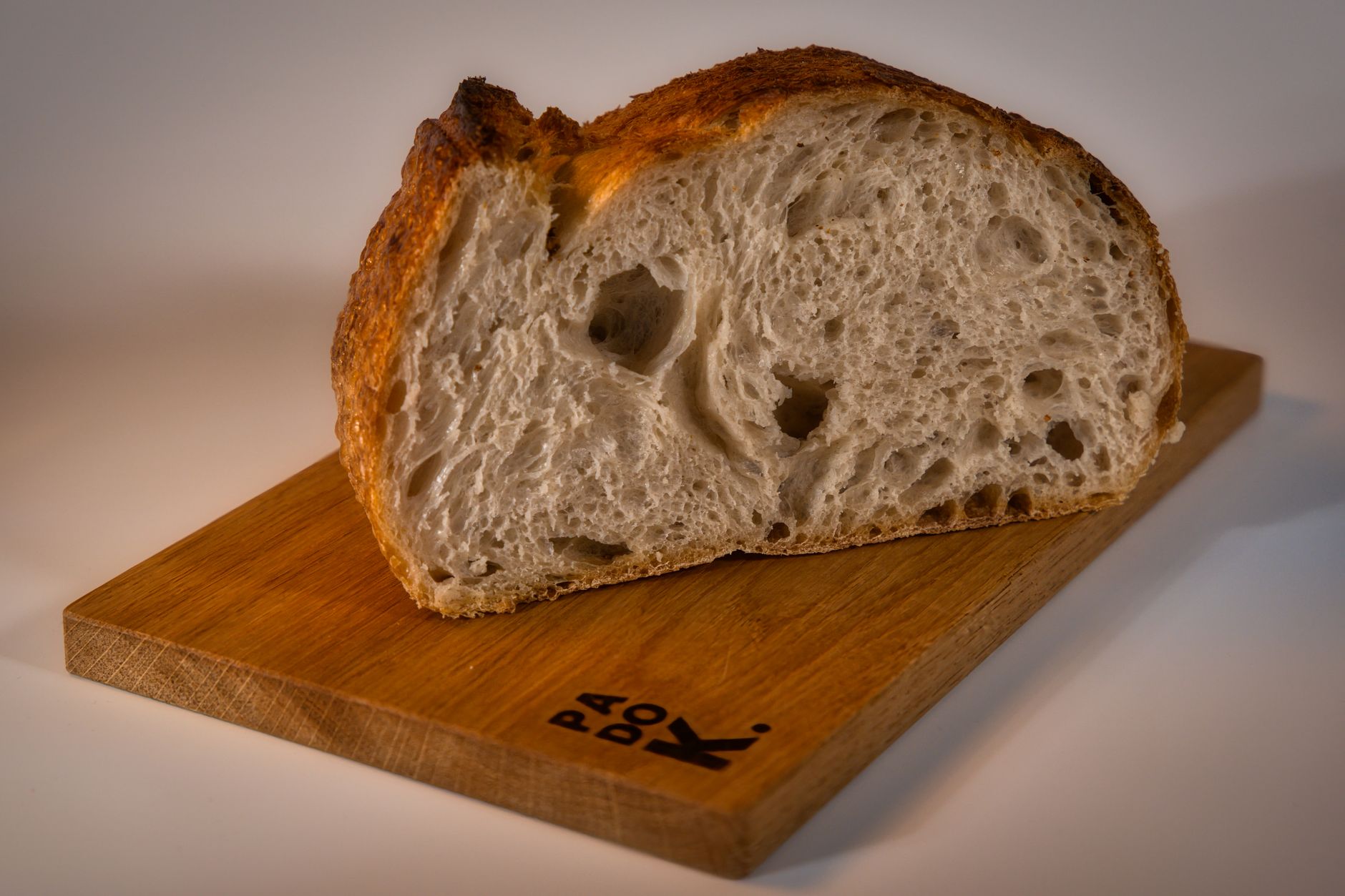
I tested it. Five loaves in two weeks. The first one was a little dense—I used too much whole wheat. By the third, I had it dialed in. The crumb was open, the crust crackled, and the tang was there. Not as sour as a three-day cold ferment, but solid.
The Sidekick doesn't promise miracles. It can't turn bad flour into good bread. But it does make consistency easy. No more under- or over-proofed disasters. No more sticky mess on your counter. The machine handles the variables.
Is it worth the price tag? At $199, it's cheaper than a stand mixer and more specialized. If you bake once a week, it'll pay for itself in sanity saved.
“The Sidekick isn't replacing skill; it's replacing drudgery.”
The real innovation is the partnership with King Arthur. The recipe book included is detailed, with specific hydration ratios and timing. You're not left to guess. And because King Arthur tested the machine, you know the recipes work.
The Verdict: Who Should Buy This?
If you're a sourdough purist who loves the ritual, skip it. Keep your hands in the dough. But if you're like me—someone who loves good bread but hates the hassle—this gadget changes the game. It makes sourdough accessible without dumbing it down.
The Sourdough Sidekick isn't a crutch. It's a tool. And for anyone who's ever wanted consistent, crusty bread without the third-degree burns from a hot Dutch oven, it's the tool you didn't know you needed.