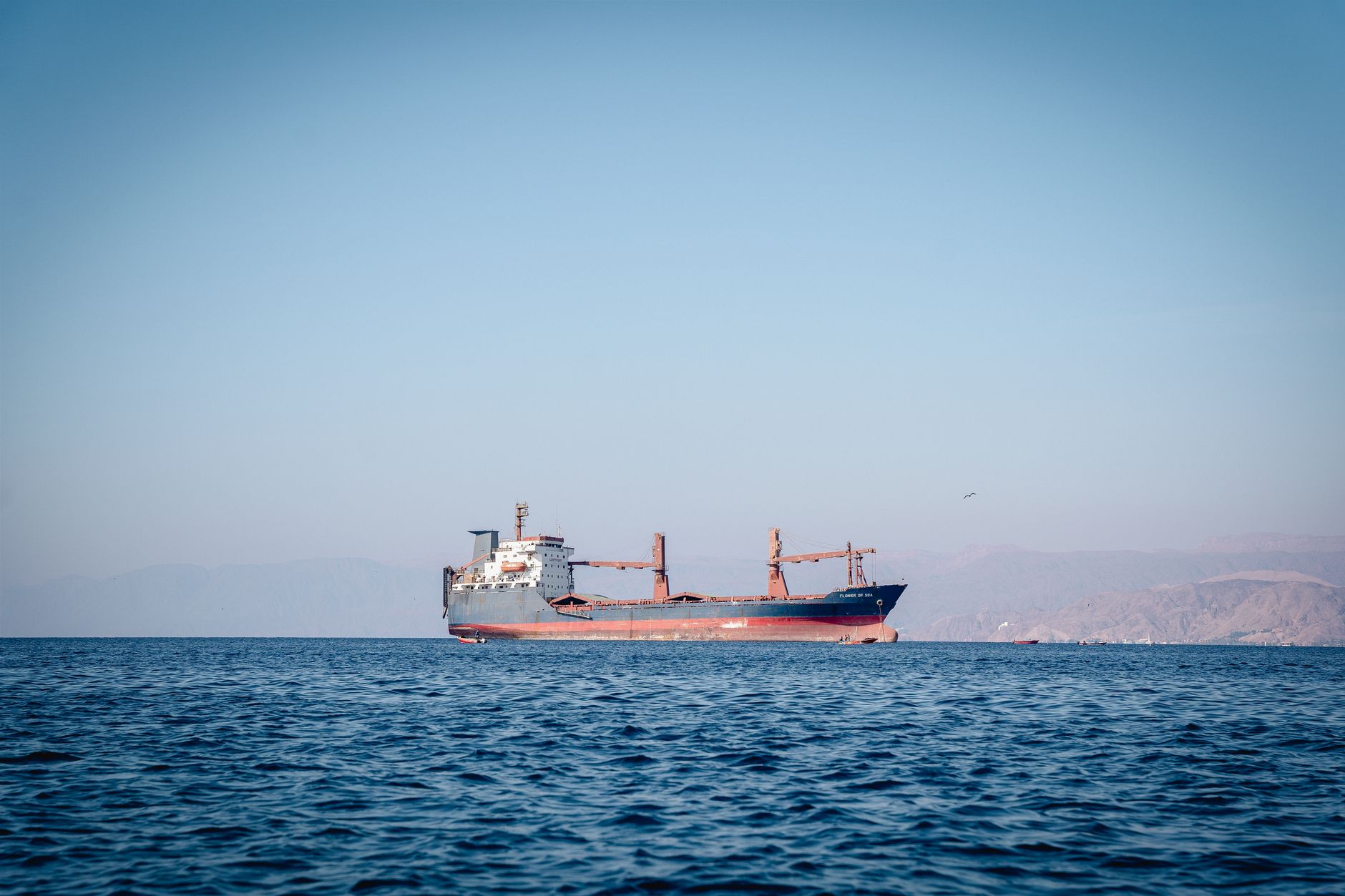
The Strait of Hormuz isn't just a narrow channel of water. It's the world's economic jugular. Every day, a fifth of the planet's oil slides through that 33-kilometer gap. And right now, Iran and the United States are standing on opposite shores, each holding a match.
This isn't a new standoff. But the stakes have never been higher. Iran's calculus has shifted. The US is rethinking decades of policy. And the rest of the world? Watching, sweating, and hoping someone blinks first.
The Chokepoint That Controls the World
Let's get one thing straight: Hormuz is not just important. It's irreplaceable. Tankers leaving Saudi Arabia, Iraq, Kuwait, the UAE, and Qatar all funnel through this strait. Roughly 21 million barrels of crude oil pass through daily. That's more than the entire production of the United States.
Close it, and gas prices don't just spike — they explode. The global economy, already wobbling from inflation and war, takes a knee. Iran knows this. That's why the strait is their ultimate bargaining chip.
“The Strait of Hormuz is the world's most critical chokepoint. If it goes, the global economy goes with it.”
Iran's New Playbook
For years, Tehran's threat to block the strait was mostly bluster. A way to flex at the negotiating table. But the calculus has changed. Iran's leadership now sees the strait as a lever, not just a threat. With the nuclear deal dead and sanctions squeezing harder, they've got fewer cards to play. The strait is their trump.
In recent months, Iranian speedboats have harassed commercial vessels. Mines have been spotted near shipping lanes. And just last week, a Revolutionary Guard commander made it explicit: “If we cannot sell our oil, no one will.”
That's not a bluff. That's a doctrine.
The US Dilemma
America's response has been predictable — more warships, more posturing, more warnings. The US Fifth Fleet is on high alert. CENTCOM keeps running through scenarios: minesweeping, convoy escorts, even a full blockade of Iranian exports. But here's the problem: any military action risks a direct confrontation with Tehran. And that's a war no one wants.
The US has been here before. In the 1980s, the “Tanker War” saw both sides attack commercial shipping. But then, the stakes were lower. Now, Iran has precision missiles, drones, and a network of proxies that could turn Hormuz into a shooting gallery.
The World Watches — and Pays
Meanwhile, the rest of the world is caught in the crossfire. Japan, South Korea, India, and China rely on Hormuz for most of their oil. Europe gets a chunk too. Every one of these countries is praying for diplomacy, but none are willing to step up.
China, the biggest buyer of Iranian oil, has kept buying despite US sanctions. That's a quiet lifeline for Tehran — and a quiet slap to Washington. Beijing doesn't want the strait closed either. But they're not going to stop buying cheap crude just to help Biden save face.
What Happens Next?
There are three scenarios. Best case: back-channel talks lead to a new understanding. Iran gets some sanctions relief, the US gets guarantees on shipping. Everyone breathes. But that's looking unlikely.
Worst case: a single miscalculation. A speedboat gets too close. A missile gets launched. Within hours, the strait is a war zone. Oil prices hit $200 a barrel. Recession is global. And everyone blames everyone else.
Middle case: the standoff grinds on. Threats, counter-threats, occasional incidents — but no closure. The strait stays open, but insurance rates skyrocket. Tankers take longer routes. Costs rise. The world learns to live with the uncertainty. But that uncertainty has a price.
The Bottom Line
The Strait of Hormuz is not just a geography problem. It's a mirror. It reflects Iran's desperation, America's overreach, and the world's addiction to oil. Until someone figures out a way to break that addiction, the strait will remain a fuse.
Right now, that fuse is burning. And both sides are pretending they can't see the flame.


