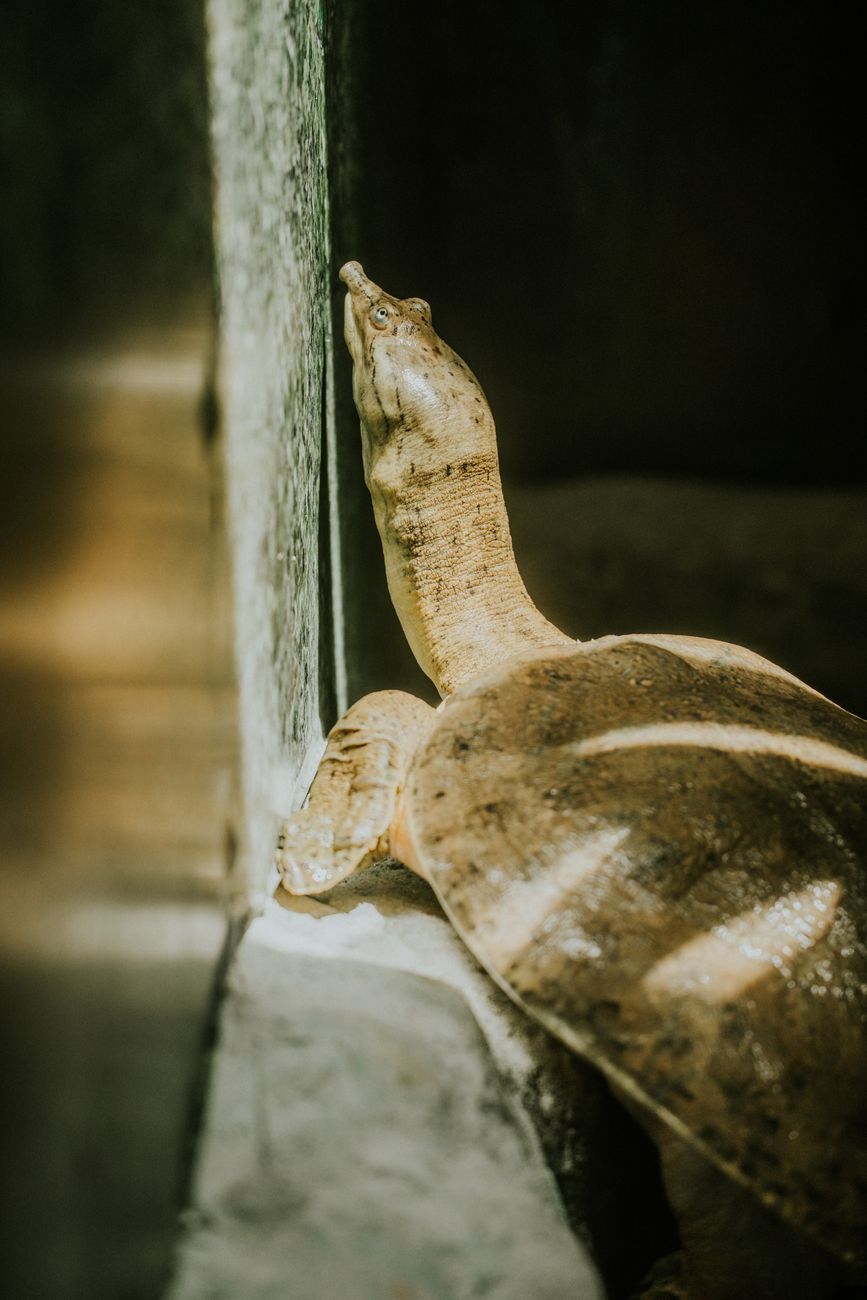
The only sound was the sea, lapping at the shore near Tyre. That’s where Mona Khalil spent her days, wading into the shallows to rescue turtles tangled in fishing nets, marking nests in the sand, teaching children why the ancient creatures matter. The sea doesn’t care about borders or politics. Neither did she.
On Monday morning, an Israeli air strike turned her home into a crater. Khalil, 52, died instantly. Neighbors said she had refused to evacuate, despite days of escalating bombing. “She said the turtles needed her,” one whispered, staring at the rubble.
Why Would They Bomb a Turtle Lady?
The question hangs like smoke over Tyre. Khalil wasn’t a fighter, not a politician, not a militant. She was a biology graduate who, two decades ago, started a one-woman campaign to protect the endangered green turtles that nest on Lebanon’s southern coast. Over time, her project grew into a small NGO, funded by donations and sheer stubbornness.
Israel’s military said the strike targeted a Hezbollah command post. “We do not comment on individual casualties,” a spokesperson told me when I called. But there was no command post in Khalil’s neighborhood—just a cluster of houses, a mosque, and a beach where turtles have laid eggs for centuries.
“She wasn’t a threat to anyone. She was a threat to nothing but extinction.” — Former colleague, speaking anonymously
Perhaps the bomb didn’t care. It never does.
The Weight of a Single Life
I’ve covered enough wars to know that civilian deaths are often reduced to numbers. But Khalil’s death carries a weight that defies statistics. She wasn’t just a civilian; she was a custodian of the natural world, a woman who spent her days fighting for creatures that couldn’t fight back.
Her work was painstaking. Each nesting season, she would patrol the beaches at dawn, looking for tracks in the sand. She’d mark the nests with bamboo stakes and plastic ribbons, then camp nearby to deter poachers and stray dogs. She led school groups, teaching kids not to disturb the nests. She treated injured turtles in a makeshift clinic in her garage.
Last year, her team protected 147 nests and released over 8,000 hatchlings into the sea. That’s 8,000 animals that would never have existed without her.
Now the nests will go unmarked. The poachers will return. The turtles will die.
War Has No Exemptions
In Gaza, Israeli bombs have killed thousands. In Lebanon, the pattern repeats. The international community issues statements. The U.N. expresses concern. But no one stops the bombs.
Khalil’s death is a symbol of something rotten—a war that respects no sanctuary, no neutrality, no life that isn’t aligned with a flag. She was no one’s enemy. She was just a woman who loved turtles.
And now she’s gone.
I called her phone earlier today, hoping it would go to voicemail. Instead, a man answered. “She’s not here,” he said. “She’s dead.”
I didn’t know what to say. I still don’t.
The Beach Is Empty
I drove to the beach where Khalil worked. The sea was calm, the sand clean. A few fishermen sat on their boats, smoking, staring at the horizon. One of them, an old man named Hassan, told me he saw her every morning for years.
“She would wave,” he said, his voice cracking. “Every morning, she waved. Now the waves are all I see.”
Somewhere out there, a turtle is swimming. It doesn’t know that its protector is dead. It never will.
But I know. And I will remember Mona Khalil not as a statistic, but as a woman who, until the moment the bomb fell, was doing something good in a world that has forgotten how.