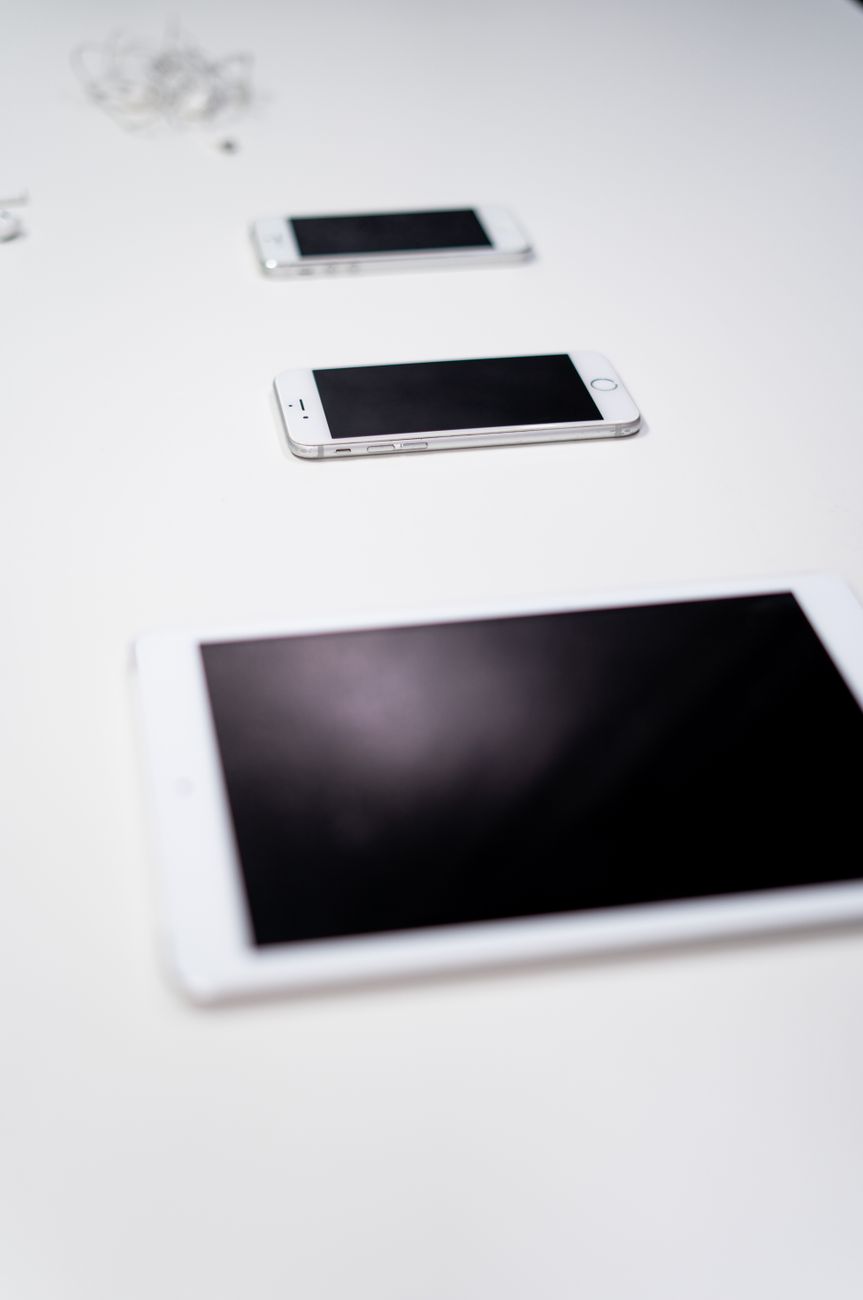
Tim Cook, the man who runs the world’s most valuable company, stood before shareholders last week and did something unusual for a CEO: he confessed that prices are going up, and he pointed a finger directly at the AI gold rush. The 16-inch MacBook Pro now costs $300 more. The 11-inch iPad Air jumped from $599 to $749. Even the HomePod Mini — a device most people forget exists — got a $30 bump to $129. Cook called the increases “unavoidable” and described Apple’s pricing as “unsustainable.”
Let’s be clear: Apple is not a charity. It has never been one. But Cook’s candor reveals a brutal reality that tech companies have been dancing around for months. The AI boom — driven by the likes of Google, Microsoft, Meta, and a hundred startups burning cash — is sucking up the world’s supply of high-end semiconductors, rare earth metals, and engineering talent. And the cost of that feeding frenzy is landing on your credit card.
The Silicon Ceiling
You don’t need to understand the difference between a neural processing unit and a tensor core to feel the pain. The price of the chips that power AI — specifically the high-end GPUs from Nvidia and the custom silicon designed by Apple itself — has skyrocketed. Every tech company worth its stock price is scrambling to buy as many as possible. Apple, which designs its own M-series chips, is not immune. The fabrication plants in Taiwan and Arizona that etch these chips onto silicon wafers are running at full capacity. When demand outstrips supply, prices rise. Apple passes those costs to you.
But that’s only half the story. The other half is software. AI models don’t train themselves for free. Every time you ask Siri a question, or let your iPhone suggest a reply, or use the new AI-powered photo editing tools in macOS, some server farm in Oregon or Iowa is burning electricity. Apple has been pouring billions into its own AI infrastructure, building data centers and buying servers to keep up with rivals. And who pays for that? You do.
“We are at the beginning of a technology cycle where the cost of compute is going to reshape consumer pricing for the next decade.” — Analyst at Creative Strategies, quoted in The Verge
Cook didn’t say that, but he might as well have. The subtext of his apology is this: the AI race is not optional. Apple cannot afford to fall behind. If they don’t build better AI, their competitors will eat their lunch. So they’re spending — and they’re charging you for the privilege of keeping up.
The Average Consumer’s Tax
Let’s get personal. If you bought a 16-inch MacBook Pro last year, you paid about $2,499. Today, that same machine costs $2,799. That’s not inflation. That’s not a trade war tariff. That’s the AI tax. For the price of a high-end smartphone, you get a computer that can run the latest AI models locally — or at least that’s the promise. But for most users, the real benefit is marginal. Do you need a MacBook that can generate images with Apple Intelligence? Or do you just need a laptop that doesn’t crash when you have 15 browser tabs open?
The iPad Air jump is even more galling. A $150 increase on a tablet that was already pushing the limits of what a tablet should cost. The justification: better chips, more memory, faster neural engine. Translation: Apple wants to make the iPad the center of your AI-powered life, and it’s making you pay upfront for the hardware that will enable that vision. Never mind that the software to actually make use of those features is still half-baked. You’re paying for potential.
The HomePod Mini price hike is the most absurd. A $30 increase on a $99 speaker. That’s a 30% jump. Why? Because the speaker now includes a chip that can process on‑device AI requests faster? Or because Apple needs to recoup the cost of building Siri’s new backend? No. It’s because they can. And because every other component in the supply chain — from rare earth magnets to packaging — has gone up thanks to AI-related demand.
Welcome to the Subscription Economy, Hardware Edition
Here’s the deeper truth: Apple is training its customers to accept higher prices as normal. The “unsustainable” comment is a trial balloon. Next year, they’ll say the same thing. And the year after that. Because the AI arms race has no finish line. The more powerful the models become, the more compute they need. The more compute they need, the more hardware costs. And the more hardware costs, the more you pay.
We’ve already seen this pattern in software. Subscription creep hit everything from Adobe Photoshop to Microsoft Office. Now it’s coming for hardware. You don’t buy a laptop anymore — you buy a license to access the AI future. Apple is just the most honest about it.
So what do you do? You could wait. You could hold onto your current MacBook or iPad for another year. You could skip the HomePod Mini entirely. But eventually, the AI features that Apple promises — the ones that actually work — will become the baseline. And you’ll have to pay the tax to stay in the ecosystem. Or you can switch to a competitor, but don’t kid yourself: every major tech company is doing the same thing. Google’s Pixel prices are up. Microsoft’s Surface line is creeping. Samsung’s Galaxy tablets cost more. The AI boom is a global price hike masquerading as progress.
Cook’s warning is a glimpse of the future: your gadgets will cost more because the companies that make them are locked in a war for AI supremacy. And you’re not a soldier in that war. You’re the taxpayer.