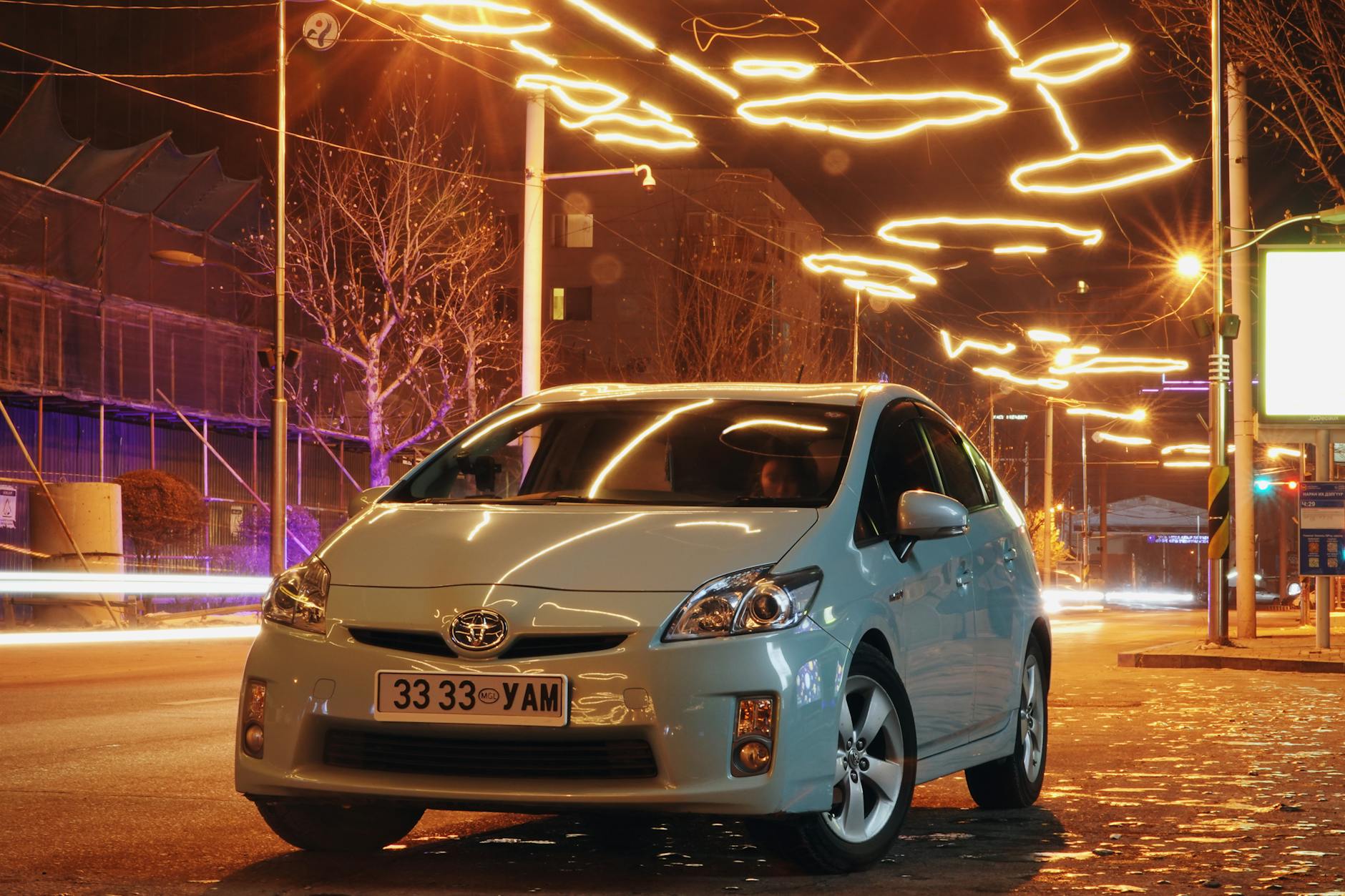
Detroit, you've got a problem. Toyota is breathing down General Motors' neck in the U.S. sales race, and the reason is as simple as it is damning: hybrids beat EVs where it matters most—the bottom line.
According to a new forecast from industry analysts, Toyota's U.S. sales are set to close the gap with GM to a razor-thin margin by the end of 2026. Think 16.5% market share for GM versus 15.8% for Toyota. That's not a lead. That's a head start that's evaporating fast.
“GM may be looking over their shoulder,” one analyst told CNBC. Understatement of the year.
Hybrids: The Unsexy Winner
Toyota did something unfashionable: it stuck with hybrids. While GM poured billions into all-electric vehicles, Toyota kept churning out Priuses, RAV4 Hybrids, and Camry Hybrids. The result? Toyota's sales climbed 8% in the first half of 2026. GM's EV sales? Down 3%.
The reason is simple: consumers aren't buying the all-or-nothing EV pitch. Range anxiety, charging infrastructure headaches, and sticker shock have soured the romance. Meanwhile, a hybrid gives you 50 mpg without forcing you to hunt for a charging station.
Toyota sold 1.2 million hybrids in the U.S. last year. GM sold 50,000 EVs. That's not a competition—that's a massacre.
GM's All-In EV Strategy Backfires
Remember when GM promised 30 EV models by 2025? They delivered maybe a third. The Chevy Bolt? Discontinued. The Hummer EV? A niche toy for the rich. The Cadillac Lyriq? Nice car, but at $60,000, it's not exactly mass-market.
GM's CEO Mary Barra has staked the company's future on an all-electric lineup. But the market isn't cooperating. EV adoption hit 8% of new car sales in 2025—well below the 15% forecast. Consumers are voting with their wallets, and they're choosing hybrids.
Toyota, meanwhile, played the long game. They never claimed hybrids were a stepping stone. They treated them as the destination. And now they're reaping the rewards.
The Numbers Don't Lie
Let's get specific. In Q2 2026, Toyota sold 620,000 vehicles in the U.S., up from 575,000 a year ago. GM sold 650,000, down from 665,000. The trend lines are clear: Toyota is accelerating, GM is sputtering.
And it's not just about hybrids. Toyota's supply chain is a fortress. While GM shut down plants due to chip shortages, Toyota kept rolling. Their just-in-time inventory system, honed over decades, flexed when it mattered.
But the real story is the product mix. Toyota offers hybrids across almost every segment. Want a hybrid minivan? Sienna. Hybrid SUV? Highlander. Hybrid sedan? Camry. GM's hybrid offerings? A handful of models, most of which are being phased out.
What GM Needs to Do
GM could pivot. They could flood the market with plug-in hybrids—vehicles that run on electricity for 30 miles, then switch to gas. Ford is already doing this with the Maverick and Escape. But GM has bet the farm on pure EVs, and admitting they were wrong would be painful.
“GM has a branding problem,” says auto analyst Rebecca Lindland. “They positioned themselves as the EV leader, but the market moved sideways. Now they look out of step.”
Toyota, meanwhile, looks prescient. They never chased the hype. They built what people actually want to buy.
The race isn't over, but Toyota has momentum. And in the auto industry, momentum is everything.
The Bottom Line
Toyota isn't just gaining on GM. They're redefining the game. Hybrids are the new mainstream. EVs are the luxury niche. And GM is stuck between two worlds—too invested in EVs to pivot, too slow to compete on hybrids.
If I were Mary Barra, I'd be looking over my shoulder. Because that shadow getting bigger? It's Toyota. And they don't brake for anyone.