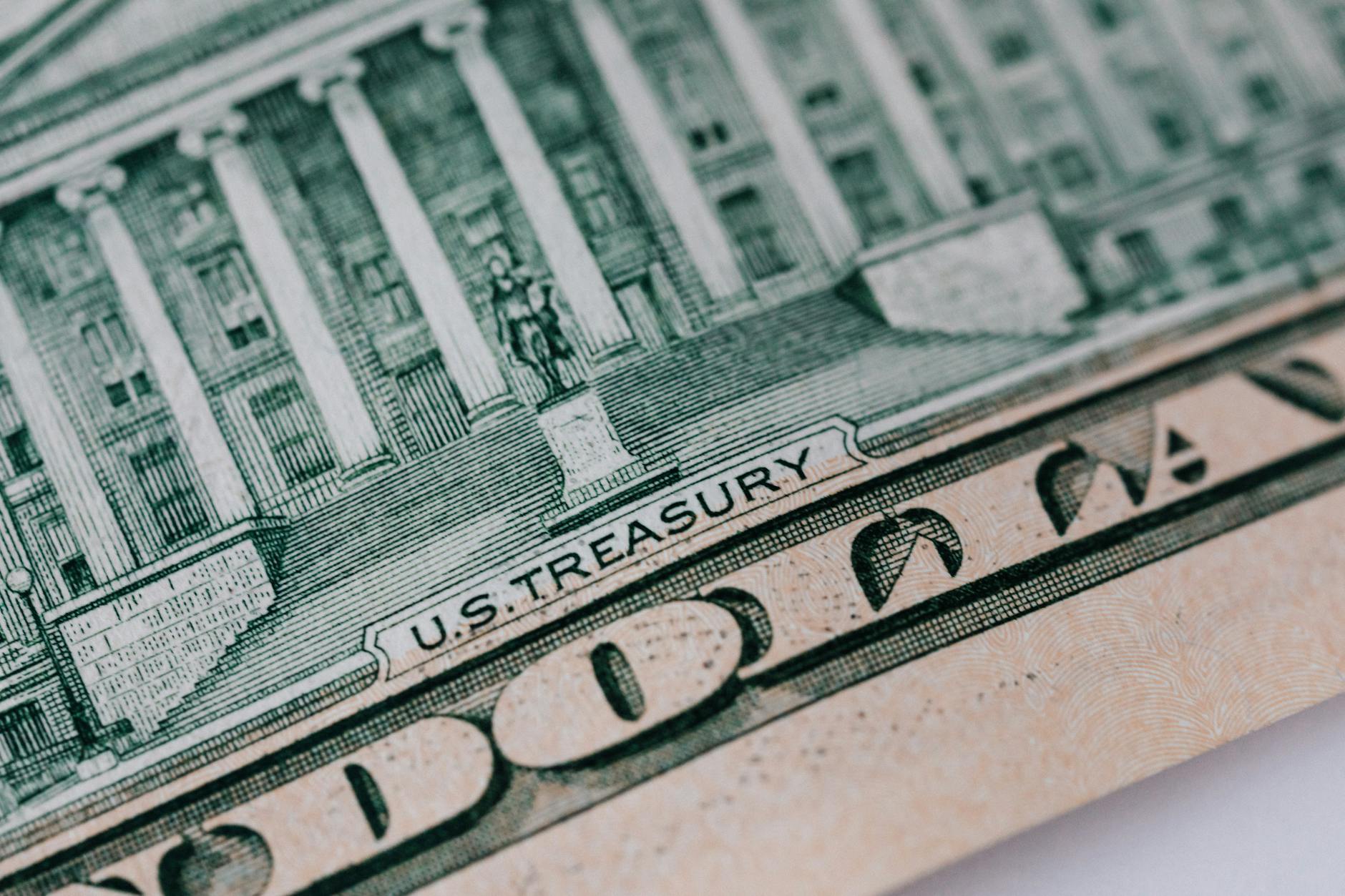
The bond market woke up on Tuesday with a hangover. U.S. Treasury yields inched higher, nudged along by a fresh spike in oil prices and the collective anxiety of investors who know the inflation number coming down the pike could either soothe or savage their portfolios.
The benchmark 10-year Treasury yield ticked up to 4.02%, while the 2-year — the Federal Reserve's favorite tantrum-thrower — hovered near 4.45%. Not a bloodbath, but the direction is clear: nobody's buying safety when the pump prices are exploding and Tehran is rattling sabers.
The immediate catalyst? Oil. Crude futures jumped over 3% to $88 a barrel after reports of a skirmish near the Strait of Hormuz — a transit chokepoint that, if disrupted, would send energy costs through the roof. That's the last thing the Fed needs as it tries to declare victory over inflation.
And then there's the elephant in the room: July's Consumer Price Index (CPI), due out Wednesday morning. Forecasters expect a year-over-year rate of 3.0%, a slight uptick from June's 2.9%. Core CPI, which strips out food and energy, is expected to hold at 3.2%. Those numbers, if they come in hot, could crush hopes for a rate cut in September.
The Fed's Tightrope Walk
The Federal Reserve has been performing a high-wire act all summer, telling anyone who'll listen that it's data-dependent while clearly craving a reason to slash rates before the election. But here's the rub: oil is a wild card that the central bank can't control. A sustained spike in energy prices would feed directly into headline inflation, complicating the narrative that price pressure is a thing of the past.
"The market is still pricing in a 65% chance of a cut in September," says Priya Nair, a fixed-income strategist at Stone Harbor. "But if CPI surprises to the upside, that number will crater. The oil spike is a genuine risk that investors are starting to take seriously."
Those odds have been slipping — from 75% a week ago to the current 65% — as traders hedge their bets. The bond market, as always, is a nervous wreck, and it's not without reason.
"The market is still pricing in a 65% chance of a cut in September. But if CPI surprises to the upside, that number will crater."
Oil and Inflation: A Nasty Feedback Loop
Let's be crystal clear: oil isn't just another commodity. It's the lifeblood of the global economy. When crude jumps, gasoline prices follow, trucking costs rise, and before you know it, your grocery bill has a nasty surprise. That's what economists call "second-round effects," and they're the Fed's worst nightmare.
Tuesday's oil spike stems from escalating tensions between Iran and Israel, with whispers of a possible Israeli strike on Iranian facilities. The Strait of Hormuz handles about 20% of the world's oil supply. Any disruption there, even a brief one, would send prices to levels we haven't seen since the Gulf War.
The irony is rich: The Fed spent two years fighting inflation, and just when it thought it had the beast subdued, geopolitics threatens to wake it up. "We're at the mercy of events no one can predict," says David Kim, a portfolio manager at Vanguard. "You can model interest rates, but you can't model a missile strike."
What If CPI Comes In Hot?
If Wednesday's CPI print surprises to the upside — say, 3.2% or higher — expect the 2-year yield to jump, the dollar to strengthen, and the equity market to take a beating. Rate-cut bets would be pushed to December at the earliest, and Powell would have to do the walk-back shuffle in his Jackson Hole speech later this month.
If the number comes in at or below expectations, yields might dip briefly, but the oil rally could keep the pressure on. In short, the bond market is in a no-win situation.
The Yield Curve: Not Back to Normal
One thing to watch: the yield curve, which is still inverted — the 2-year yield remains higher than the 10-year. Historically, a sustained inversion has been a reliable recession signal. The fact that it's persisting despite the market's hopes for a soft landing is a red flag that many investors are choosing to ignore.
But let's not get ahead of ourselves. The economy added 114,000 jobs in July, unemployment ticked up to 4.3%, and wage growth cooled. Those are signs of a slowdown, not a collapse. The consumer, that great American workhorse, is still spending — albeit more cautiously. And corporate earnings have been decent, all things considered.
Still, the bond market is the canary in the coal mine. If yields start rising sharply, it's because inflation is roaring back. If they fall, it's because recession fears are mounting. Right now, they're just drifting, waiting for Wednesday's data to provide direction.
The Verdict: Patience, But Not Blind Faith
Here's where I land: The Fed should hold rates steady until it sees the whites of inflation's eyes. The recent numbers have been encouraging, but not enough to pop the champagne. The oil situation is a wild card that could undo months of progress in a matter of weeks.
And for the average investor? Don't get cute. This is a time for humility. Keep your duration in check, maybe nibble at TIPS if you're worried about inflation, but don't try to time the market. The next few months will be choppy, and the only certainty is uncertainty.
So as the world waits for the CPI print, remember this: oil prices are up, yields are creeping, and the Fed is on the hot seat. It's going to be a bumpy ride. Buy the ticket, take the ride, but keep your seatbelt fastened.