Remember when politicians promised free money for your kids and you laughed? Well, stop laughing. On July 4th, the Trump Administration flips the switch on a program that's either a masterstroke of policy or the most expensive campaign ad in history. Trump Accounts — yes, they're named after him — are here, and they're dropping cash into accounts for every child under 18. But as with anything in Washington, the devil's in the details.
How Do These Accounts Work?
The concept is simple: the government seeds a tax-advantaged investment account for each kid. Think of it as a 529 plan on steroids, but with the government writing the first check. Eligible children get an initial deposit — rumored to be around $1,000 — and then the account grows tax-free until they turn 18. The money can be withdrawn for education, a first home, or even rolled into a retirement account. It's like the government is betting on your kid's future, which is either heartwarming or terrifying, depending on your view of federal competence.
Who Qualifies for Free Money?
Every child under 18 with a valid Social Security number and a parent who filed taxes. No income cap. That's right — the billionaire's kid gets the same $1,000 as the janitor's kid. Critics call it a giveaway to the rich; supporters call it universal. The program is funded by a mix of unspent COVID relief funds and a new tax on stock buybacks. So, in a weird way, Wall Street is paying for your kid's college fund. Don't expect that to last.
When Can You Touch It?
Here's the catch: the money is locked up until the child turns 18. No early withdrawals for emergencies, no loans against it. You want the cash? Wait. This is designed to force long-term savings, which is great in theory, but try explaining that to a parent drowning in medical bills. The government is essentially saying, “We know you need money now, but we're going to make you save it for later.” That's either discipline or cruelty, depending on your situation.
The Political Angle
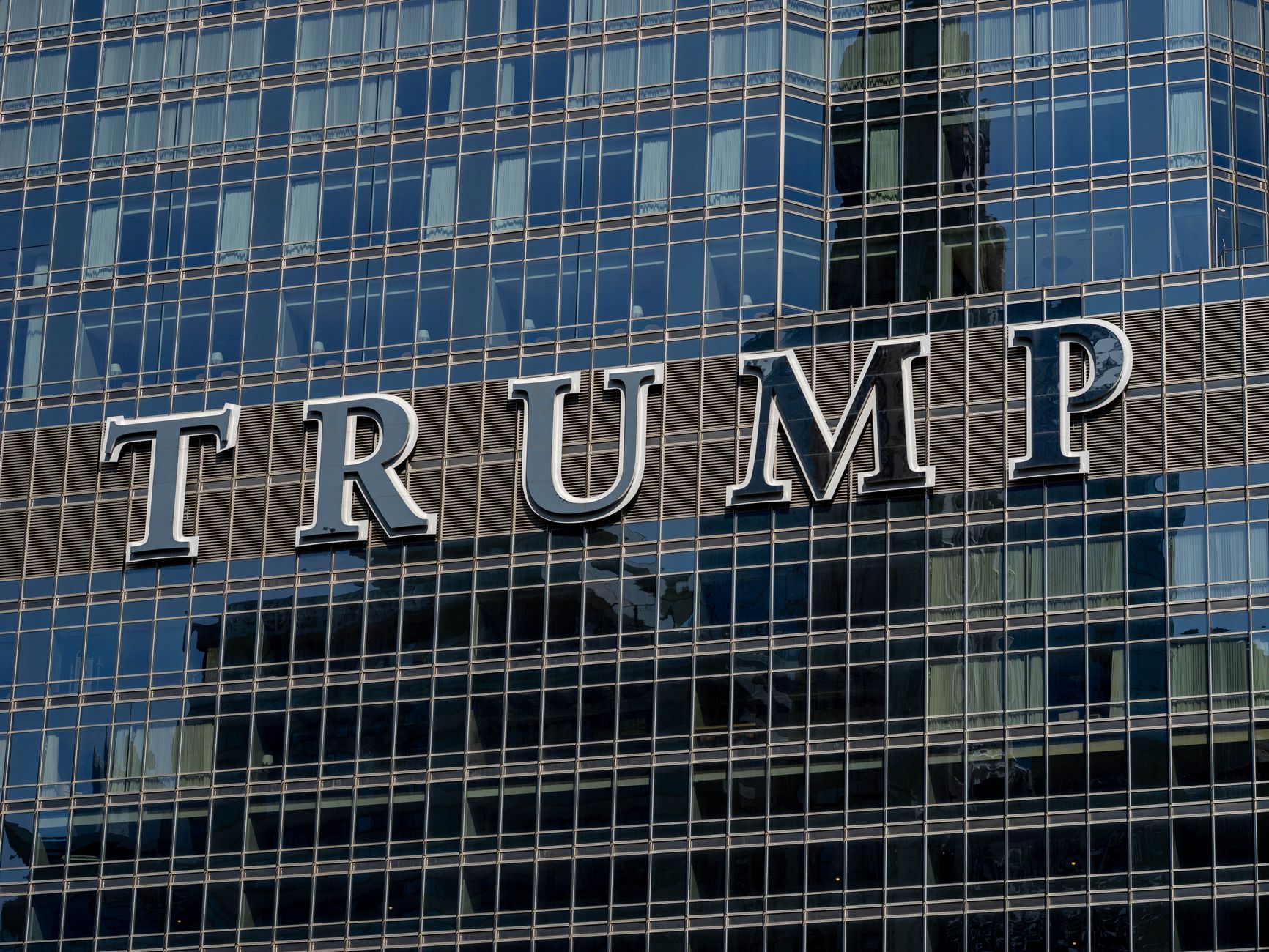
Let's not kid ourselves — naming these accounts after the president is a bold move. Trump's name is on everything from steaks to universities, but now it's on your child's savings. Supporters say it's branding, like the GI Bill. Critics call it self-aggrandizement. Either way, it ensures that every time you check your kid's balance, you're reminded of the man who signed the check. That's either genius marketing or a conflict of interest waiting to happen.
“This is the most significant pro-family policy since the child tax credit,” says one economist. Another calls it “a Trojan horse for privatization.”
What Parents Should Do Right Now
First, make sure your kid has a Social Security number. If not, get on that. Second, check that your tax returns are filed. The accounts auto-enroll based on tax data, but if you haven't filed, you're out. Third, don't panic about where to open the account. The government will use a simple, low-cost platform — think TreasuryDirect but less confusing. You'll be able to choose from a handful of investment options: a target-date fund, a bond fund, or a stock index fund. Pick the index fund. Unless you hate money.
The Dark Side
Nothing this big goes smoothly. There are already concerns about fraud. Scammers are calling parents pretending to be from the “Trump Account Administration.” Spoiler: that doesn't exist. The real program is run by the Treasury. Also, expect partisan fights over funding. Democrats want to expand it; Republicans want to privatize it. The accounts could become a political football, with future presidents renaming them or gutting them. Your kid's college fund might be hostage to the next election.
Final Verdict
Take the money. It's free. But don't plan your kid's Ivy League tuition around it just yet. This is a government program, and government programs have a habit of changing. Still, $1,000 growing tax-free for 18 years? That's about $4,000 in today's dollars if the market doesn't tank. Not life-changing, but not nothing. And if it forces parents to save more on their own, maybe that's the real win. Or maybe it's just a clever way to buy votes. Either way, July 4th just got a little more interesting.