Sam Altman stood in front of a virtual room of OpenAI employees Wednesday and delivered a message nobody wanted to hear: GPT-5.6 would not ship on time. The reason? The Trump administration had called. And they weren't asking nicely.
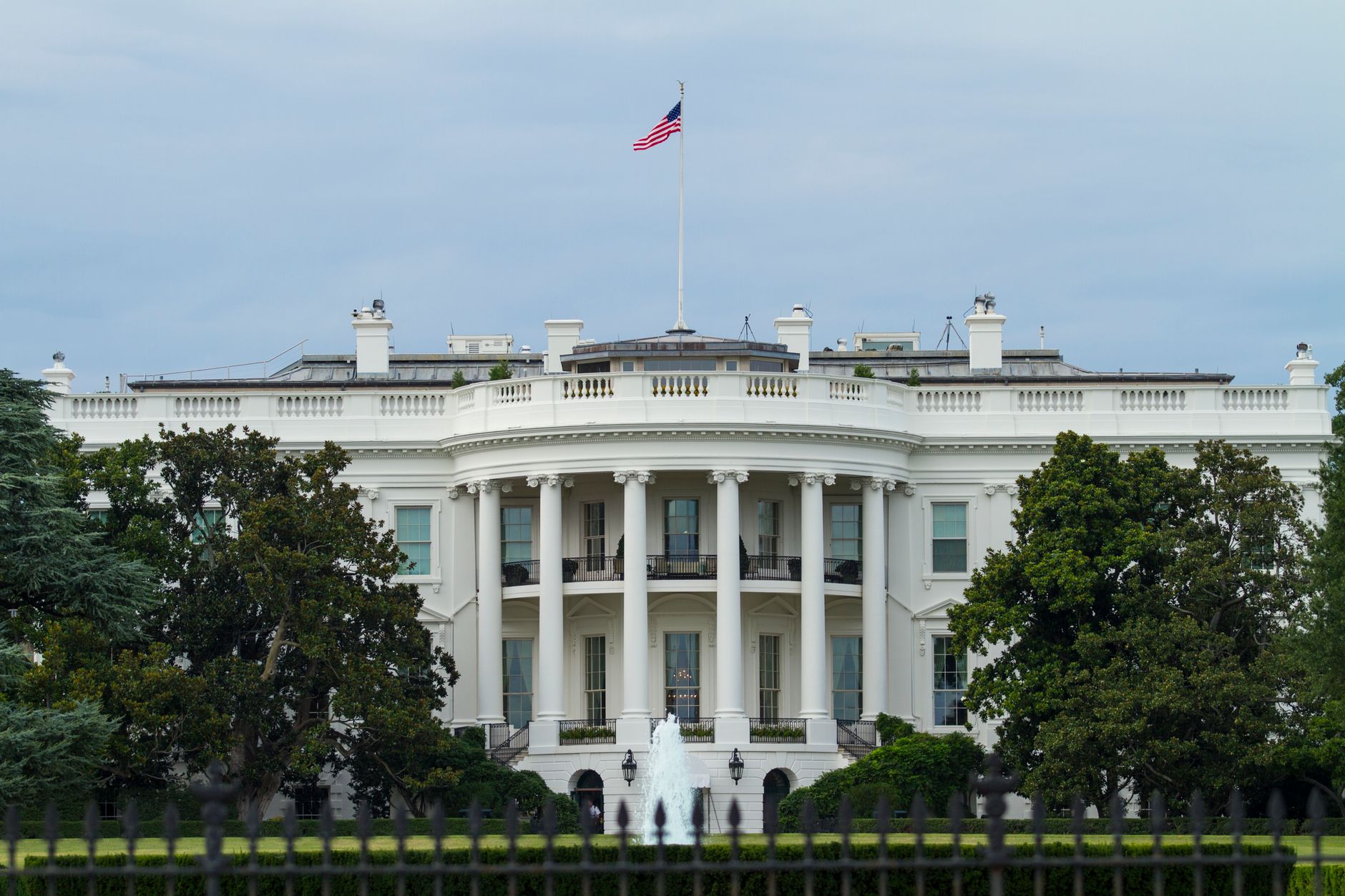
The White House, jittery over the national security implications of a model that could outthink its predecessors on everything from code generation to geopolitical strategy, leaned on OpenAI to stagger the rollout. According to sources inside the company, the request didn't come as a formal executive order or a sternly worded letter—it was more like a tap on the shoulder from someone who could make life very difficult. Altman reportedly told staff during a Q&A that the model would instead debut as a limited preview, with access tightly controlled and use cases scrutinized.
Nobody at OpenAI is happy about this. The company has been burning cash and talent to push the frontier. Every delay costs momentum, and in the AI arms race, momentum is the only currency that matters. But the Trump team, still scarred by the chaos of earlier AI releases—the deepfake flood of 2024, the election interference panic of 2025—isn't taking chances. They want guardrails, and they want them now.
The Security Calculus
The administration's anxiety isn't entirely unfounded. GPT-5.6 isn't just another incremental update. Early benchmarks suggest it can reason through complex multi-step problems, generate persuasive text indistinguishable from human propaganda, and write exploit code for zero-day vulnerabilities. In the wrong hands, it's a force multiplier for bad actors. The Pentagon and NSA have been running their own red-team tests on the model, and the results apparently spooked someone important.
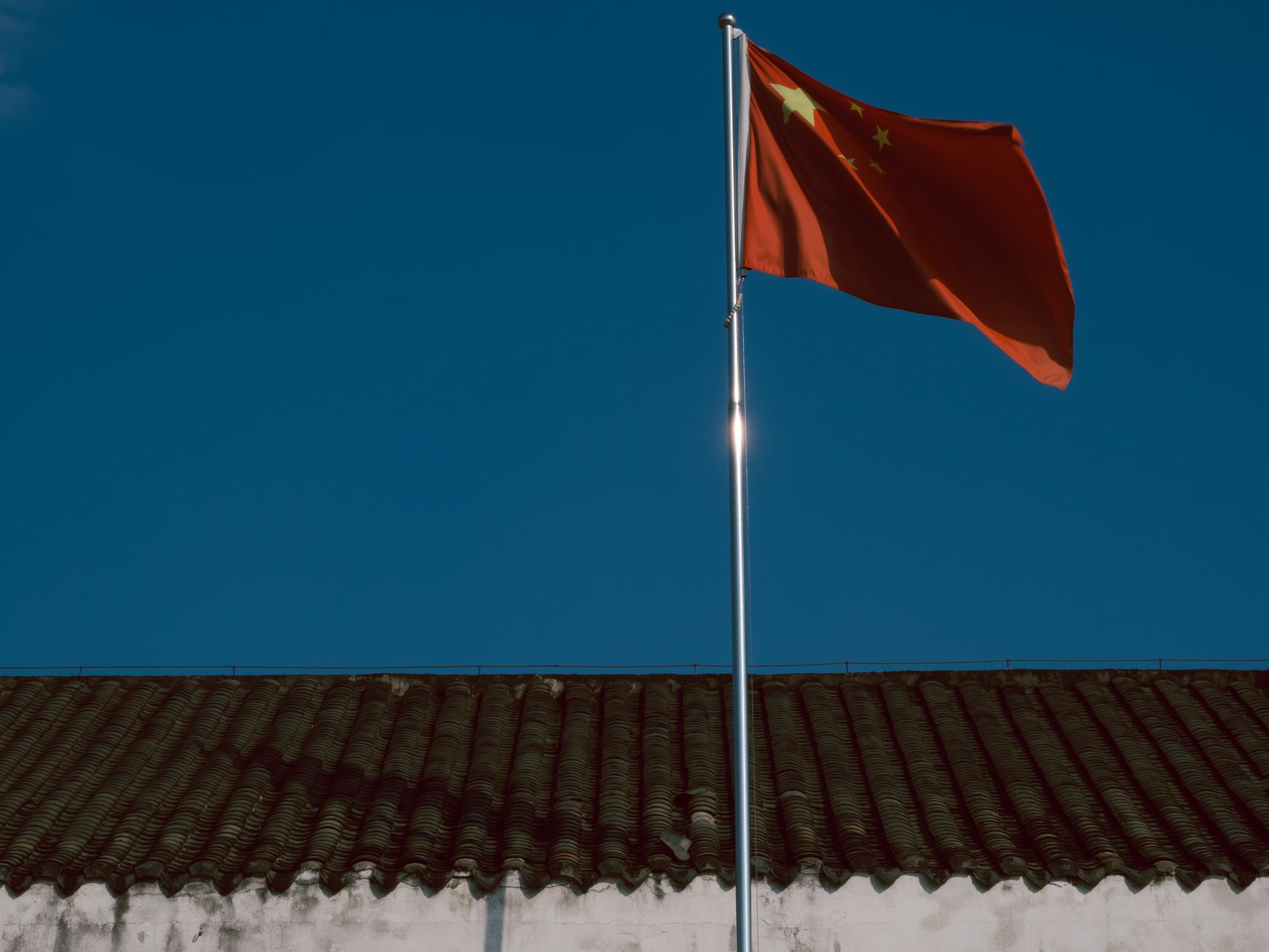
But here's the thing: delaying a U.S. company's product doesn't stop the technology from advancing. China's AI labs—Baichuan, Zhipu, the usual suspects—aren't waiting for permission. They're training, iterating, and in some cases, already deploying models with capabilities that rival GPT-5.6. The Trump administration's move might make Americans feel safer, but it could also cede the high ground to competitors who don't give a damn about our security concerns.
"If you think the genie is staying in the bottle, you haven't been paying attention. The only question is who gets to wish first."
OpenAI, for its part, is trying to thread the needle. The limited preview will likely restrict access to vetted researchers, government contractors, and select enterprise partners. API rate limits will be draconian. Model weights will be guarded like nuclear launch codes. But anyone who's watched the open-source community work knows that leaks happen. Once a model is out in the wild—even in a controlled environment—it's only a matter of time before someone takes a screenshot, or a disgruntled employee walks out with a hard drive. Security by obscurity is not a strategy. It's a wish.
Internal Fallout
Inside OpenAI, the mood is sour. Engineers who've been pulling 80-hour weeks to hit the original launch date now face an indefinite holding pattern. Some are questioning whether the company's close relationship with government is worth the cost. "We're building technology to distribute, not to hoard," one employee told me on condition of anonymity. "If the government wants a private backdoor, they should build their own damn model."
Altman, ever the pragmatist, is doing what he does best: managing expectations. He's told investors that the delay is a speed bump, not a roadblock. He's assured partners that GPT-5.6 will eventually reach the market, albeit with more strings attached than originally planned. But investors aren't stupid. They see the regulatory handwriting on the wall. The era of unrestricted AI releases is over. Every future model will be subject to some form of government review, and that means uncertainty—the one thing markets hate more than bad news.
The Bigger Picture
This isn't just about one model. It's about the fundamental tension between innovation and control. The Trump administration, despite its deregulatory rhetoric elsewhere, has shown it's willing to pull the lever on AI. They've created a new Office of AI Safety within the White House, staffed it with hawks, and given it teeth. OpenAI's delay is a test case. If the administration can strong-arm the most prominent AI company in the world, what stops them from doing it to everyone else?
For now, the answer is nothing. Google, Meta, and Anthropic are all watching closely. They've all got next-generation models in the pipeline. If the government can dictate OpenAI's release schedule, it can dictate theirs too. That might be good for safety in the short term. But in the long term, it could freeze the industry into a slow, cautious march—while rivals abroad sprint ahead.
The irony is thick. The same government that spent 2025 warning about the existential risk of uncontrolled AI is now slowing down the very companies trying to prove they can be responsible. OpenAI wanted to show it could launch safely. The administration wanted to show it could control the launch. Neither side won. They just agreed to a staring contest, with the rest of the world waiting to see who blinks first.
GPT-5.6 will come out. That's inevitable. But when it does, it will arrive with baggage: government eyes, restricted access, and the lingering question of whether we're building the future or just borrowing it on someone else's terms.