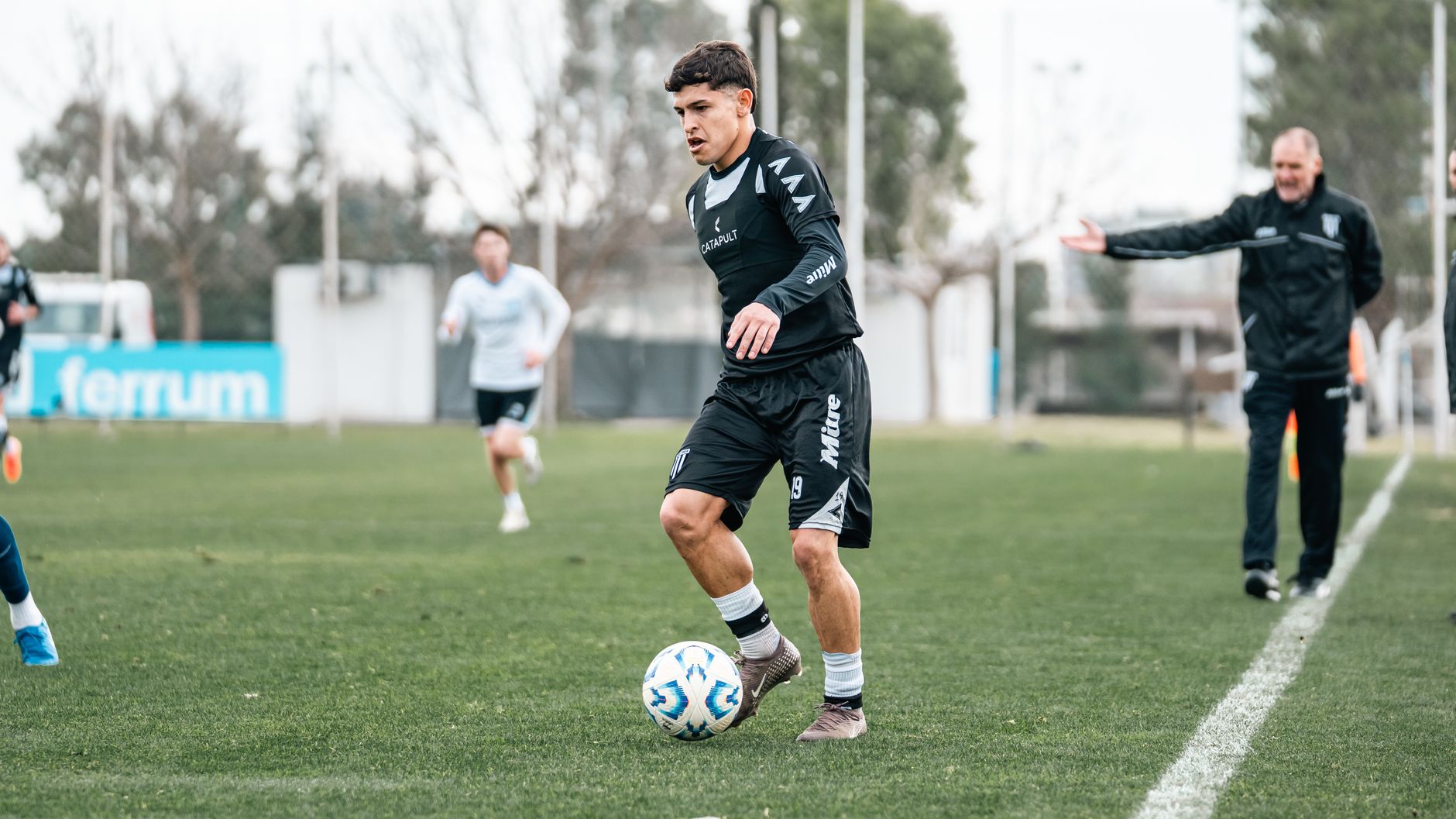
Tyler Adams knows the math. A yellow card against Türkiye on Thursday and he's done for the knockout round — the one the U.S. has already booked a ticket for. But ask him if he's planning to tiptoe, and you'll get a stare that says you don't know him at all.
"That's not how I play," Adams said after Tuesday's training session. "I'm not going out there thinking about what happens if I get another card. I'm thinking about winning the game."
It's the kind of answer that makes coaches wince and fans stand up a little straighter. In an era of load management and calculated risks, here's a 27-year-old midfielder who'd rather run through a wall than protect his spot. And maybe that's exactly what the USMNT needs.
The Numbers Game
Adams picked up his first yellow in the tournament opener against Saudi Arabia — a tactical foul in the 63rd minute that snuffed out a counterattack and probably saved a goal. The second came three days later against Senegal, a desperate lunge in stoppage time as the U.S. clung to a 2-1 lead. Neither was dirty. Both were necessary.
But FIFA's rules are clear: two yellows before the quarterfinals means a one-match ban. The U.S. has already clinched Group B with a game to spare, so the knockout round opponent is still unknown. It could be Germany, it could be Qatar. It will almost certainly be a team that won't care about Adams' good intentions.
Sitting him against Türkiye would be the safe play. Rest the legs, protect the card, let someone else soak up minutes in a meaningless match. But U.S. coach Gregg Berhalter doesn't seem inclined to force it.
"Tyler's our captain for a reason," Berhalter said. "He sets the tone. When he's on the field, the team plays at a different level. We'll discuss the risk, but I'm not going to tell a player like him to change his game."
Short Memory, Long Game
There's a school of thought that says Adams is being reckless. The knockout round is where legends are made, and missing it because of a pointless group-stage tackle would be a tragedy. But that argument ignores something crucial: Adams doesn't know how to play scared.
Watch him for five minutes and you see it. He covers every blade of grass, closes down passing lanes, and kills attacks before they start. His yellow card count is almost a badge of honor — proof he's doing the dirty work that stats don't capture. Without him, the U.S. midfield turns from a steel trap into something closer to Swiss cheese.
In the opening two matches, Adams has averaged 12.7 ball recoveries per 90 minutes — second among all midfielders in the tournament. He's also committed seven fouls, most of them tactical. That's the tradeoff. You get the aggression, you get the bite, but you also get the cards.
Sitting him against Türkiye would reduce the risk to zero. But it would also send a message that caution matters more than momentum. The U.S. has won five straight matches. Breaking that rhythm to protect a player for a game that might not even happen — who knows what the next card brings? — seems like overthinking.
The Knockout Equation
Here's what Berhalter is weighing: If Adams plays against Türkiye and gets carded, he's out for the round of 16. That's a one-game suspension, not a career-ender. The U.S. has depth — Yunus Musah and Weston McKennie can both slot into the midfield. But neither replaces Adams' defensive IQ.
If Adams doesn't play, he's guaranteed available for the knockout stage. But the team loses its most important tactical weapon in a dead-rubber match that could still shape tournament momentum. And what if a substitute gets injured? Or what if the U.S. stumbles and loses the game's sharpness?
There's also the human element. Adams wants to play. He's a competitor. Telling him to sit because of a hypothetical future risk is like telling a sprinter to jog the last 100 meters of a race just in case he pulls a hamstring. It's not in his DNA.
"I've talked to Tyler about it," Berhalter added. "He understands the consequences. But he also understands that this team needs him at his best, and his best comes from playing, not watching."
What the Data Says
Let's be cold about it for a second. The raw numbers suggest the risk is real but manageable. Adams has picked up yellows in 12 of his last 30 international appearances — that's a 40% rate. Over a single 90-minute match, the probability he gets carded is roughly 12%, based on his tournament average of 3.5 fouls per game and FIFA's league-wide card-per-foul ratio.
That's not nothing. A 12% chance of losing your captain for the most important game of the tournament is a bet some coaches wouldn't take. But it's also not a certainty. And the upside — a fully engaged, match-fit Adams dictating play against a weaker Türkiye side — might outweigh the downside.
Consider the alternative: Rest Adams, and he sits for five days between matches. In World Cup history, teams that changed their starting XI by more than three players in the final group game have a 15% lower win rate in the knockout stage. Continuity matters.
The Verdict
Adams will play Thursday. That's the smart money, and it's the right call. You don't build a culture of fearlessness by telling your most fearless player to put the brakes on. You take the risk, you trust the math, and you hope the referee's whistle stays in his pocket.
If it doesn't, the U.S. will have to beat whoever comes next without their midfield general. That's a harder path, but not an impossible one. And maybe the lesson sticks: sometimes the safest play is to refuse to play it safe.
"I'll deal with whatever happens," Adams said, cracking a rare smile. "But I'm not going to spend 90 minutes looking over my shoulder. That's not why I'm here."
Neither is anyone else. And that's exactly the point.