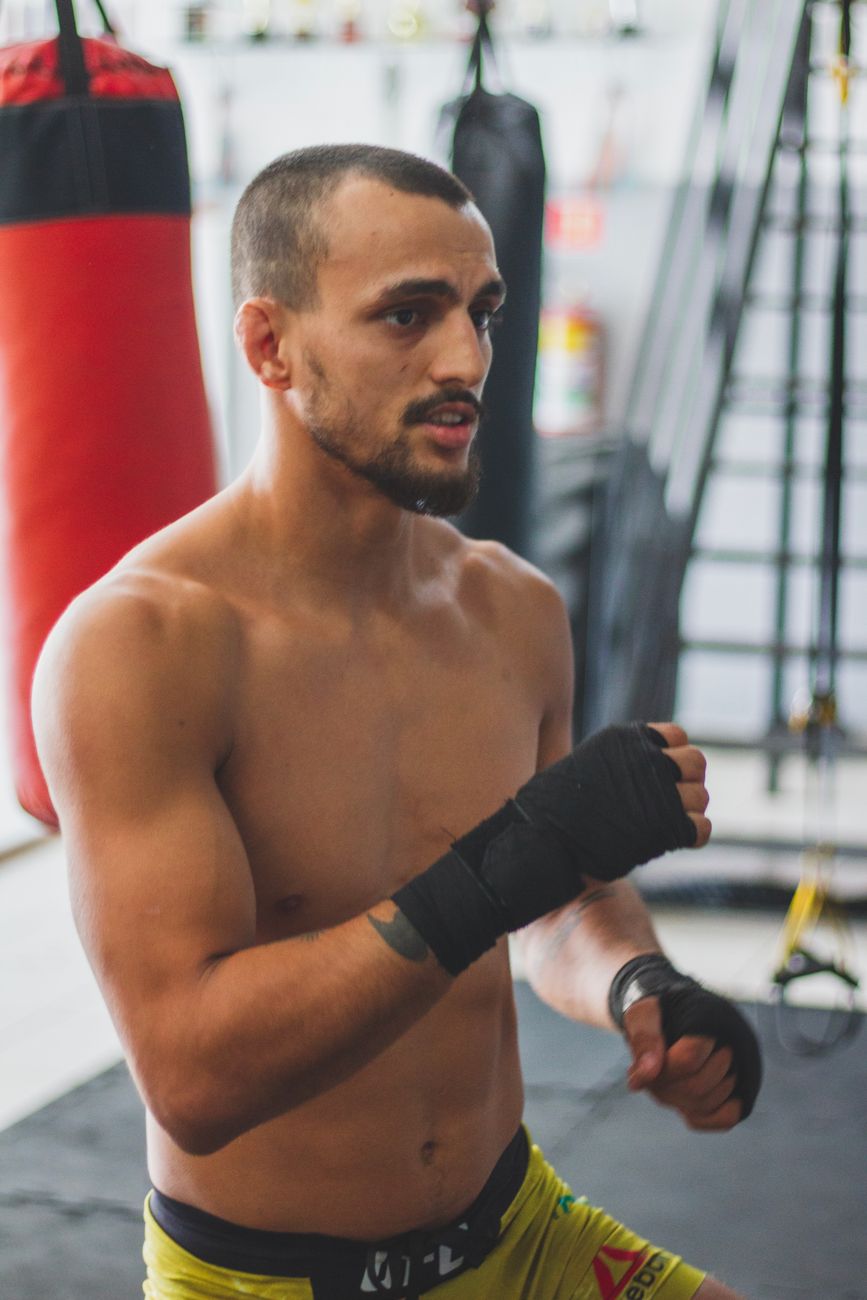
The phone rang at 6 a.m. in Las Vegas. By 6:15, the word was already out on the group chats. Allan Nascimento was dead. Thirty-four years old. A heart attack, they said. In his sleep. Just like that.
The UFC confirmed it Tuesday morning, and for a moment, the MMA world went quiet. Not the respectful silence of a tribute—the stunned silence of a punch you didn't see coming. Nascimento wasn't a superstar. He wasn't a household name. He was a fighter's fighter, a Brazilian flyweight who clawed his way through the regional circuit, got his shot on the big stage, and was still grinding when the lights went out.
But here's the thing nobody wants to say out loud: we've seen this before. We keep seeing it. And we're not doing enough about it.
A Career Built on Grit, Not Glory
Nascimento's story wasn't the stuff of pay-per-view main events. It was the stuff of Fight Pass prelims, of unglamorous Tuesday cards in the APEX, of weight cuts that wreck your body and camps that wreck your mind. He turned pro in 2011, racked up wins in Brazil's regional scene, and finally got the call to the UFC in 2022. His record was 19-7. He wasn't chasing titles—he was chasing a paycheck, a dream, a chance to prove he belonged.
And he did belong. He won his UFC debut, then lost a split decision that could've gone either way. He was 1-2 in the promotion, but that doesn't tell you who he was. Anyone who watched him saw the heart. The willingness to eat a shot to land one. The kind of grit that tells you this wasn't just a job—it was his life.
“He was the kind of guy who would give you the shirt off his back, but in the cage, he was a lion.” — A former training partner, speaking on condition of anonymity
The Silent Killer We Refuse to Face
Suspected heart attack. In his sleep. Read that again. This isn't a car crash or a training accident. This is a young, elite athlete whose heart simply stopped. And the uncomfortable truth is that sudden cardiac death in MMA isn't as rare as the sport would like you to believe.
Look at the list: Tyrone Mims, 31, died after a 2010 fight. Leandro Souza, 31, in 2018. João Carvalho, 28, after a 2016 bout. And now Nascimento at 34. These are fighters in their prime, not middle-aged men with pre-existing conditions. The pattern is there, even if the official causes vary.
Why? The sport's dirty little secret is what it does to the body. Weight cutting—the brutal practice of dropping 15, 20, sometimes 30 pounds in a matter of days—is a cardiovascular nightmare. You're dehydrating yourself, spiking your blood pressure, and putting your heart under stress it was never designed to handle. Then you go out and get punched in the head, which triggers inflammation, which stresses the heart further. Repeat that cycle for a decade, and you're not just a fighter—you're a ticking time bomb.
The UFC's Convenient Amnesia
Here's what really gets under my skin: the UFC's statement. It's all “deeply saddened” and “our thoughts are with his family.” It's the same corporate boilerplate they trot out every time a fighter dies. But where's the action? Where's the mandate to end extreme weight cutting? Where's the comprehensive cardiac screening, the kind that looks beyond a routine EKG and actually examines the heart under stress?
The UFC is a billion-dollar business. It can afford to do better. It chooses not to. And every time a fighter dies young, they offer thoughts and prayers instead of policy changes. That's not grief—that's convenience.
I'm not saying Nascimento's death was preventable. I'm not saying the UFC is legally responsible. But I am saying that the sport has a systemic problem, and the silence is deafening.
A Life Beyond the Cage
To reduce Allan Nascimento to a cautionary tale would be an insult. He was a son, a friend, a teammate. He was a man who loved his country, his family, and the sport that gave him purpose. He was known for his infectious smile and his willingness to help younger fighters, even when he was struggling himself.
His last fight was in April. He lost a decision to a tough veteran. Then he went home, started thinking about the next one, and never got the chance. That's the cruelest part of this—the future that was stolen. The rematches that will never happen. The family that wakes up to an empty bed.
What Happens Now?
The MMA community will mourn. Tributes will pour in. For a week, people will post the obligatory photos and talk about his heart. Then the cycle will move on, and the next tragedy will be a distant memory until it happens again. Because it will happen again.
Unless we start asking harder questions. Unless the UFC stops treating its fighters like disposable assets and starts treating them like the human beings they are. Unless we demand better.
Allan Nascimento is gone. He was 34 years old. The least we can do is stop pretending his death was an isolated incident—and start doing something about the ones that are still here.


