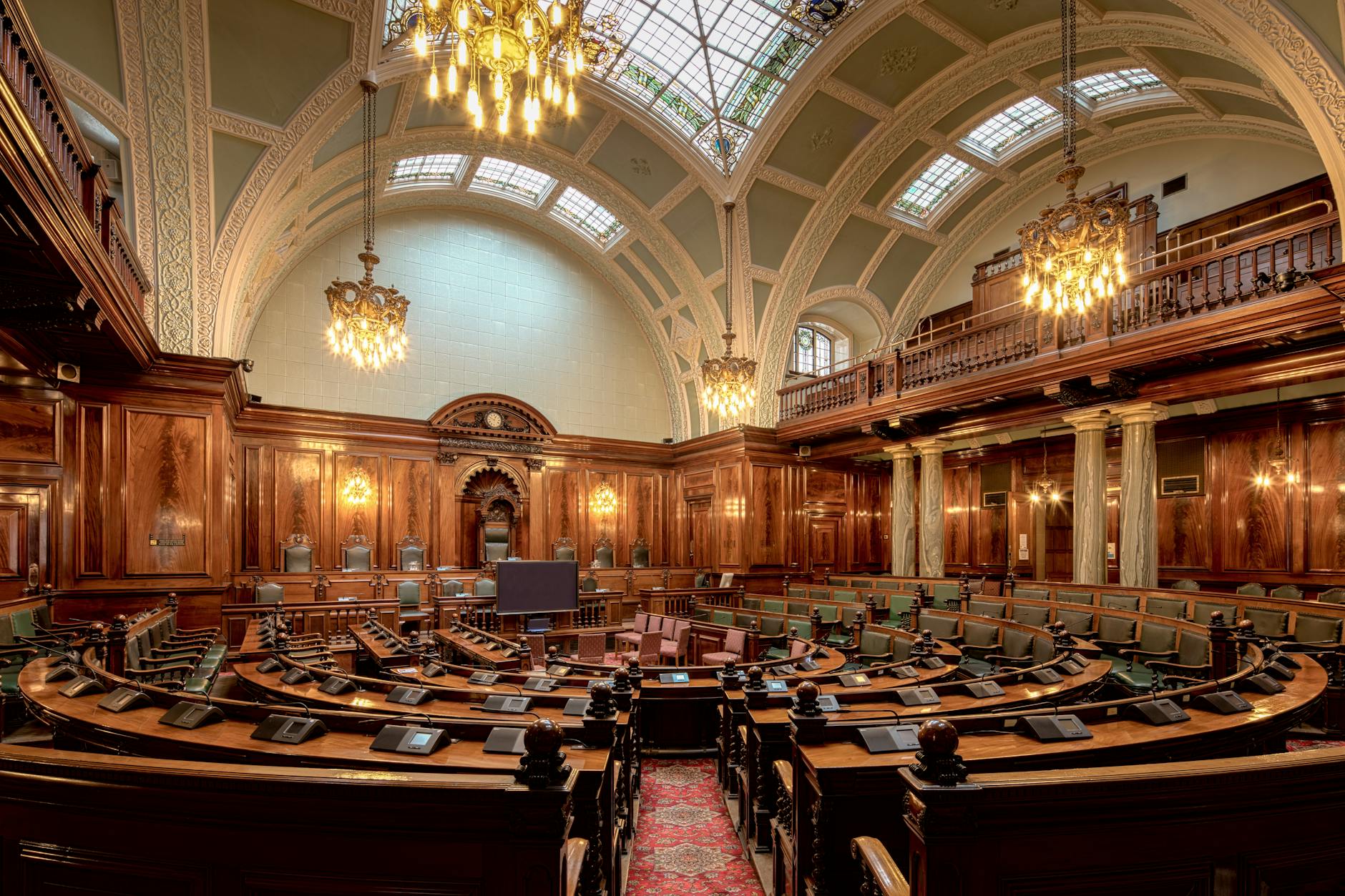
Westminster is about to do something it rarely does: look in the mirror and ask who's pulling the strings.
On Monday, the British parliament will debate whether Israeli lobbying has warped UK policy. The trigger? A petition signed by over 100,000 people, demanding Parliament probe the reach of Israeli influence groups. It's a debate that could reshape how Britain handles foreign interference—and expose some uncomfortable truths about money, power, and the special relationship.
The Petition That Lit the Fuse
The petition, launched by the Campaign for Nuclear Disarmament and backed by a coalition of activist groups, calls for an inquiry into “the activities of Israeli lobby groups in the UK, including their influence on government policy and media coverage.” It landed with a thud on the parliamentary petitions website in April, crossed the 100,000-signature threshold within weeks, and forced the Petitions Committee to schedule a debate.
But don't expect a simple airing of grievances. This is a live grenade. Supporters say Israeli lobbying—through organizations like the Conservative Friends of Israel and the Jewish Leadership Council—has tilted Britain's Middle East policy toward Tel Aviv, stifled criticism of Israel, and bullied MPs into silence. Opponents call the petition itself anti-Semitic, a smokescreen for old hatreds dressed up as concern for democracy.
“This isn't about anti-Semitism. It's about whether foreign money and organized pressure can override the public interest.” — A parliamentary aide involved in drafting the petition
What the Evidence Shows
Hard numbers are scarce, but the trail of influence is easy to follow. Conservative Friends of Israel, a backbench group, boasts 80% of Conservative MPs as members. It hosts lavish dinners, funds trips to Israel, and provides briefings that often mirror the Israeli government's line. Labour Friends of Israel plays a similar game on the left. Together, they've helped shape everything from arms sales to Israel to the UK's stance on settlements in the West Bank.
Then there's the money. Pro-Israel donors have pumped hundreds of thousands of pounds into British political parties. In 2019, the Conservative Party received £2.5 million from donors with ties to Israel—more than any other single foreign-linked source. Critics argue this cash buys access, and access buys policy. Supporters counter that all interest groups lobby, and Israel is a democratic ally.
The debate also touches on media. A 2020 study by the Media Reform Coalition found that British news coverage of Israel was overwhelmingly sympathetic, with Palestinian voices featured in less than 10% of stories. Detractors point to the Israel-obsessed tabloids, but the petition's backers say the issue is: whose narrative gets the microphone?
Why Now?
The timing is no accident. Israel's far-right government—led by Benjamin Netanyahu—has inflamed tensions across the Middle East. Settlement expansion, the war in Gaza, and a crackdown on Palestinian civil society have made even traditional allies queasy. In the UK, a growing chorus of MPs, including some former ministers, have called for tougher action against Israel, including an arms embargo. The petition gave them a platform.
But the debate also reflects a broader reckoning. Since the 2019 election, British politics has been convulsed by accusations of foreign interference—from Russia, China, and yes, Israel. The Intelligence and Security Committee has warned that the UK is "vulnerable" to hostile state actors. If Israel gets a free pass, critics ask, why shouldn't everyone?
What the Debate Won't Do
Let's be clear: this is a debate, not a vote on legislation. No laws will be passed on Monday. The Petitions Committee will hear arguments from both sides, and the government—led by Prime Minister Rishi Sunak—will respond. But the response is likely to be a polite shrug: "We take all concerns seriously, but the UK's relationship with Israel is strong and important."
That's the script. What's actually happening is pressure building. If the debate forces the government to commission an actual inquiry—like the one on Russian interference—it would be a seismic shift. Even a modest change in tone could embolden critics of Israeli policy in Parliament and beyond.
The Pushback
Pro-Israel groups are already mobilizing. The Board of Deputies of British Jews has called the petition "a Trojan horse for anti-Zionist activism." The Jewish Leadership Council warns it will "stoke division and prejudice." Some Labour MPs, wary of the party's anti-Semitism crisis, have distanced themselves from the debate entirely.
The fear is real: anti-Semitism is on the rise in the UK, and conflating criticism of Israel with hatred of Jews is a well-worn tactic. But the petition's organizers insist they are not crossing that line. They point to Jewish voices within their coalition—groups like Jews for Justice for Palestinians—as proof that the debate is about policy, not identity.
Still, the charge of anti-Semitism has a chilling effect. MPs who speak out risk being branded as bigots. The debate will test whether Westminster can separate legitimate lobbying from illegitimate influence—and whether it can do so without poisoning the well.
The Bigger Picture
This isn't just about Israel. It's about the health of British democracy. If a foreign government—any foreign government—can buy influence in Parliament, the public's trust erodes. The UK has strict rules on foreign donations and lobbying, but enforcement is weak. The debate is a symptom of a deeper disease: the feeling that the system is rigged.
When the petition crossed 100,000 signatures, it sent a message: people are watching. They see the trips to Tel Aviv, the annual dinners at the Dorchester, the op-eds written by lobbyists. They want answers. Monday's debate is the first step toward getting them.
But don't hold your breath for a revolution. The special relationship between the UK and Israel is cemented by history, trade, and intelligence sharing. Breaking it would take more than a petition. What this debate can do is force a conversation—uncomfortable, messy, and long overdue.
The Verdict
Monday's debate is a test. A test of whether Parliament can confront the reality of foreign influence without descending into conspiracy theories. A test of whether the government can defend its alliance with Israel while respecting democratic norms. And a test of whether the public's voice—100,000 strong—can actually move the needle.
The outcome is uncertain. But one thing is clear: the debate has already done its job. It's put a spotlight on a dark corner of British politics. Now we'll see who flinches.