Explosions in southern Iran. Again. State media is reporting strikes, and the US is claiming responsibility with that same old macho bravado: 'Hit them hard.' Hard enough to kill civilians, apparently, though the Pentagon won't confirm that part.
Let's be clear: this isn't a surgical strike. This is the latest escalation in a conflict that's been simmering for years, boiling over every few months when someone in Washington decides it's time to flex. The targets? 'Military sites,' they say. But we've heard that before. In 2020, when the US killed Qasem Soleimani, they promised it was about 'de-escalation.' How'd that work out?
The Promise That Means Nothing
'Hit them hard.' Those three words were supposed to signal strength. Instead, they signal panic. The US has been bungling its Iran policy for decades — arming Saddam, then bombing Iraq, then cozying up to the mullahs, then tearing up the nuclear deal. Now we're back to bombs.
What does 'hard' even mean? It means a few dozen Tomahawk missiles, a couple of sorties, and a press conference where some general says we 'degraded their capabilities.' Meanwhile, Iran's proxies in Yemen, Syria, and Iraq keep firing. The Houthis haven't stopped. The militias in Baghdad haven't blinked. So who exactly got hit hard?
'Hit them hard' — a phrase designed for cable news, not for strategy.
The Human Cost They Won't Show You
Iranian state media reports explosions. They don't show the bodies. The US military says 'no civilian casualties' before they've even counted. They said the same thing in Mosul, in Raqqa, in Kunduz. We know how that turned out.
Airwars, the independent monitoring group, has tracked over 1,000 civilian deaths from US airstrikes in Iraq and Syria alone since 2014. Each one was initially called 'unintentional' or 'unconfirmed.' Every war has its euphemisms. This one is no different.
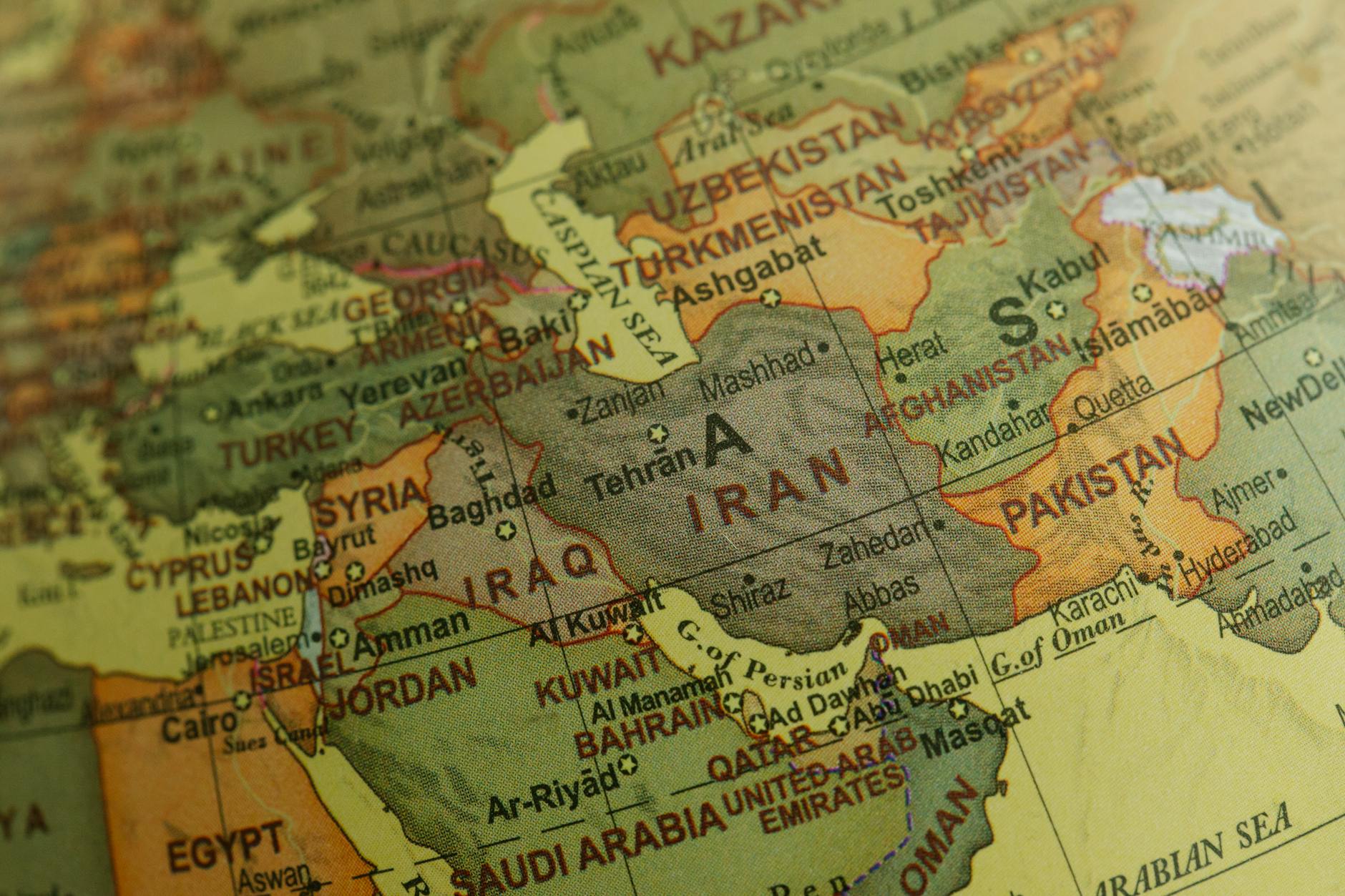
In southern Iran, the strikes hit near Bandar Abbas, a port city. They hit near Bushehr, where a nuclear power plant sits. They hit near the Strait of Hormuz, where a fifth of the world's oil passes. Every explosion risks a wider war — a war that Iran's Revolutionary Guards have been itching for, and that Trump's generals are happy to give them.
Who Wins?
Not the Iranian people, who face sanctions, inflation, and now bombs. Not the American soldiers, who are once again being sent to fight a war that has no clear end. Not the Gulf states, who are stuck between Tehran and Washington, praying neither side does something stupid.
The only winners are the defense contractors. Lockheed Martin's stock is up again. Raytheon's missile division is humming. War is good business, as long as you're not the one dying.
War is good business, as long as you're not the one dying.
The Cycle That Never Ends
This is the fourth round of US-Iran strikes in three years. Each time, the same pattern: provocation, retaliation, escalation. Each time, officials promise this is the last. Each time, it isn't.
The 2015 nuclear deal was supposed to break this cycle. Trump killed it. Biden tried to revive it, but the hardliners in both countries preferred the status quo. Now we're back to 2003 logic: bomb first, ask questions later.
Iran's response is predictable: they'll enrich more uranium, launch a few drones, maybe sink a tanker. Then the US will strike again. And again. And again. Until someone blinks — or until a miscalculation turns a strike into a war.
The tragedy is that there's an alternative. Diplomacy is boring. It doesn't make for good TV. It doesn't boost poll numbers. But it doesn't kill people, either.
Instead, we get explosions in southern Iran. We get promises to 'hit them hard.' We get the same tired script, played out again and again, while the world watches and the bodies pile up.
This is not strength. This is a failure of imagination, a failure of leadership, and a failure of nerve. And it will keep happening until someone decides to try something different.