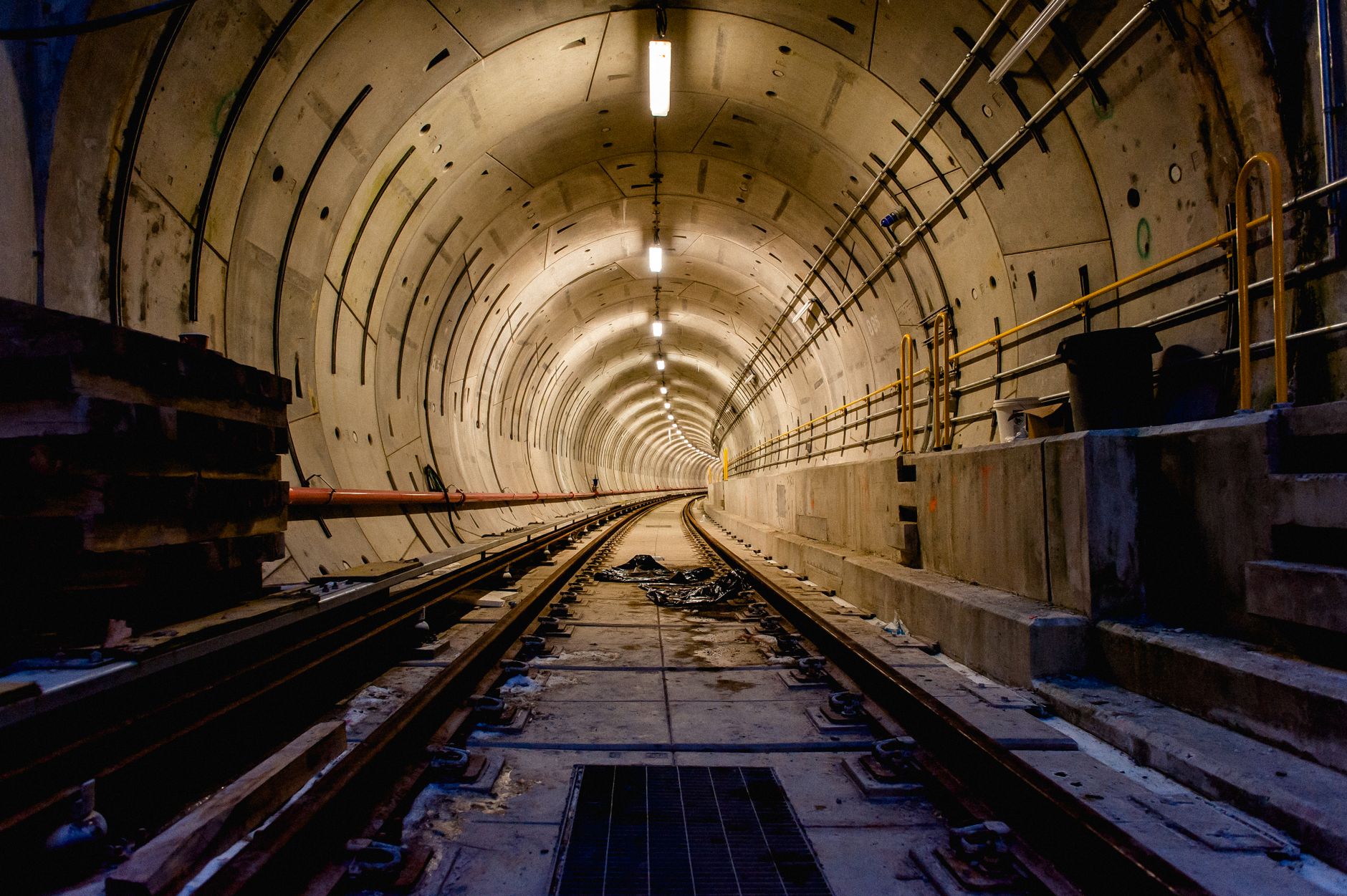
The room went quiet when the US envoy laid his cards on the table. No more vague promises. No more 'we'll get to it later.' He wanted the tunnel maps. And he wanted the weapons.
Gaza ceasefire talks that began with cautious optimism have hit a wall. The reason? Washington decided to stop playing nice. The demand for Hamas to hand over detailed maps of the tunnel network — the underground labyrinth that has given Israeli forces fits for decades — was never going to be a simple ask. But the second demand, for the group's personal weapons, took things to a whole different level.
Why now?
The timing isn't random. After months of stalled negotiations and sporadic violence, the US appears to have concluded that half-measures don't work. The tunnel maps, they argue, are essential for any lasting security arrangement. Without them, Hamas can rebuild its military capability underground, beyond the reach of Israeli intelligence. And without disarmament, the ceasefire is just that — a pause, not peace.
But here's the problem: asking Hamas to hand over the keys to its military infrastructure is like asking a driver to toss his car keys into a lake. The group has spent 20 years building that tunnel network. It's their crown jewel, their strategic ace. Giving up the maps means giving up the ability to fight a guerrilla war. And without personal weapons, their fighters become targets.
The tunnel maps are the crown jewel of Hamas's military strategy. Handing them over means giving up the ability to fight on their terms.
The talks are now in a strange limbo. The US envoy hasn't walked out, but he hasn't gotten a yes either. The Hamas delegation is reportedly asking for guarantees — security guarantees, political guarantees, economic guarantees — that would make disarmament palatable. But the US isn't in the mood for trade-offs. They want the maps. They want the weapons. And they want them now.
The regional chessboard
This isn't just about Gaza. The US demands come at a time when the entire Middle East is recalibrating. Saudi Arabia is inching toward normalization with Israel. Iran is watching from the sidelines. And the Palestinian Authority in the West Bank is trying to position itself as the legitimate representative of all Palestinians.
Hamas knows that if it gives up its weapons without a broader political deal, it becomes irrelevant. The group's entire raison d'être is resistance — armed resistance, specifically. Without that, they're just another political faction with a lot of religious rhetoric and no real power.
The US, for its part, seems to believe that the current moment is ripe for a breakthrough. Israel's military pressure has been relentless. The economic blockade has strangled Gaza's economy. And the international community is tired of the cycle of violence. If not now, when?
The skeptics speak
But skeptics point out that the US has made similar demands before, only to see them ignored. In 2014, after Operation Protective Edge, the ceasefire agreement included provisions for demilitarization. Nothing happened. In 2021, after the May war, there was talk of a 'new reality' for Gaza. Again, nothing.
What's different this time? The US envoy's personal involvement, for one. He's been shuttling between capitals, applying pressure, making phone calls. And the Israelis are more determined than ever to end the tunnel threat. But will that be enough?
Skeptics remember 2014 and 2021. Promises of demilitarization came and went. Why should this time be different?
The answer may lie in what happens outside the negotiation room. On the ground, the situation is deteriorating. Electricity is down to four hours a day. Unemployment is above 50%. And the smuggling tunnels, once a lifeline, have been largely destroyed by Egyptian and Israeli efforts. Hamas is feeling the squeeze.
The human cost
Behind the political maneuvering, there's a human story that often gets lost. The people of Gaza — 2 million of them, half children — just want to live. They want to go to school without fear. They want to work. They want to breathe.
Every day the talks stall is another day of uncertainty. Another day of waiting for a bomb to fall or a rocket to launch. Another day of wondering if the next generation will know anything but war.
The tunnel maps and personal weapons are not just bargaining chips. They are symbols of a conflict that has defied solution for decades. Will Hamas give them up? Probably not. But if they do, it will be because they finally believe the alternative — more war, more suffering, more dead — is worse.
The US envoy is betting on that calculus. He's betting that Hamas leaders, for all their rhetoric, are rational actors who want to survive. And he's betting that the people of Gaza, tired of the endless cycle, will push their leaders to take a chance on peace.
It's a big bet. And the odds aren't great.