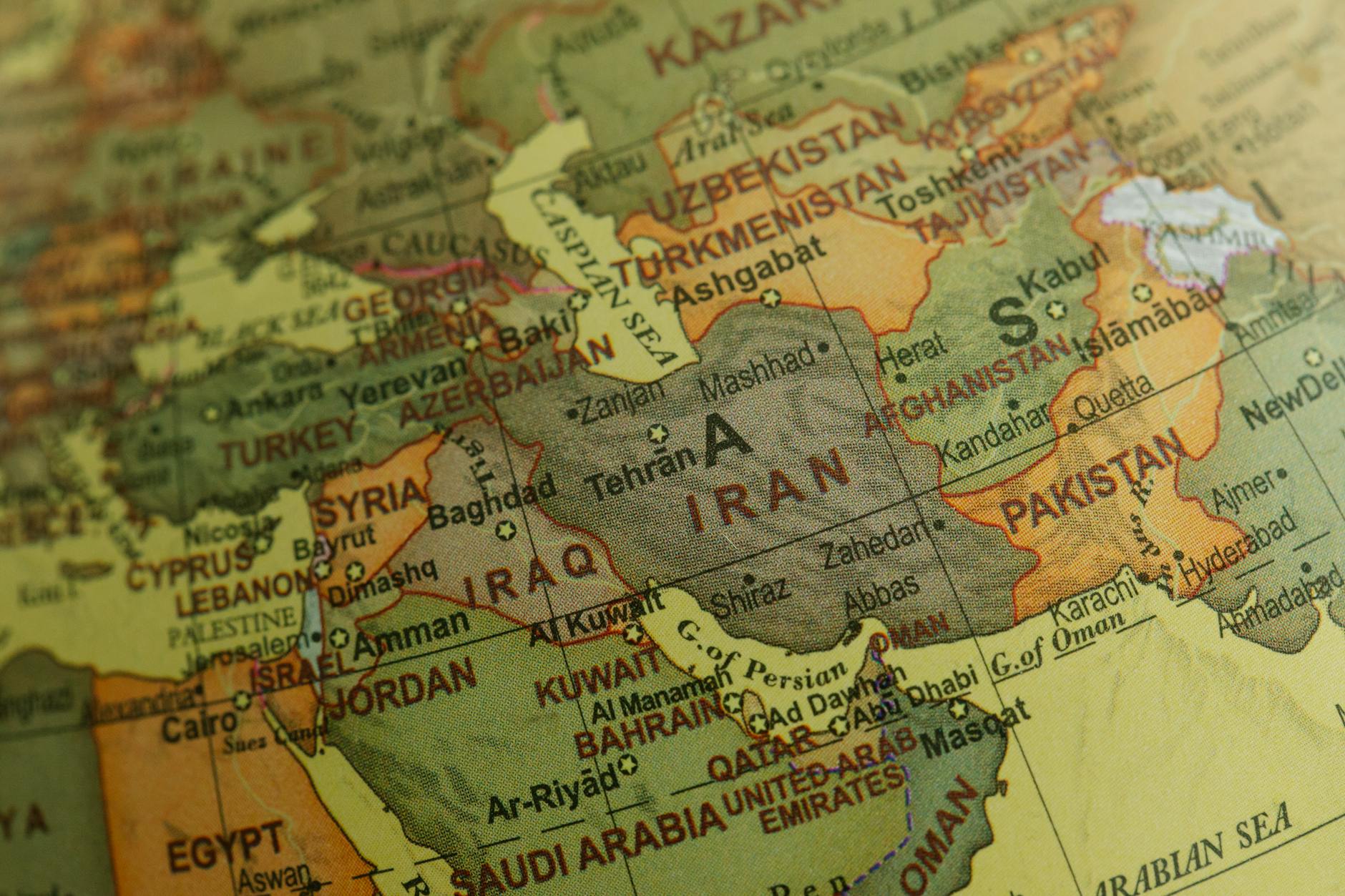
The phone lines between Washington and Tehran are burning up. US officials are whispering that a deal could be signed within 48 hours. Yes, you read that right. After decades of hostility, sanctions, and saber-rattling, the two old foes might actually shake hands on something. But hold your horses—this is the Middle East, where every 'breakthrough' has a shelf life shorter than a carton of milk in the desert sun.
I've covered enough diplomatic theater to know that when officials start floating timelines, they're either trying to force a decision or cover their own backsides. The '48 hours' line is classic brinkmanship. It's designed to build momentum, pressure the skeptics, and make everyone forget the last hundred failed attempts. But here's the thing: even if a deal is signed, the real work—getting it implemented—could take years, and that's if the hardliners on both sides don't blow it up first.
The Nuclear Question That Won't Die
The core of this deal, as always, is Iran's nuclear program. The US wants Iran to roll back its enrichment capabilities, submit to inspections, and—let's be honest—prove it's not building a bomb. Iran wants sanctions relief, access to global banking, and a guarantee that the US won't pull the plug the moment a new president takes office. Remember 2018? The US unilaterally abandoned the JCPOA, reimposed sanctions, and Iran responded by ramping up enrichment. Trust is not exactly at an all-time high.
Every 'breakthrough' in the Middle East has a shelf life shorter than a carton of milk in the desert sun.
So what's different this time? Insiders say the deal is more comprehensive—covering ballistic missiles, regional proxies, and even human rights. That's ambitious, maybe too ambitious. The more you pile into a single agreement, the harder it is to get everyone to sign off. And let's not forget the elephants in the room: Israel and Saudi Arabia. Neither is thrilled about a US-Iran rapprochement. They see Iran as a mortal threat, and they have the lobbying power and influence to make things very uncomfortable for any administration that cuts a deal with Tehran.
The Hardliners Are Already Loading Their Guns
On the Iranian side, the Islamic Revolutionary Guard Corps (IRGC) has never been a fan of negotiations. They benefit from the status quo—sanctions, isolation, and a permanent sense of encirclement. A deal that opens up Iran's economy could dilute their power. They've already started saber-rattling, testing missiles and making inflammatory speeches. Meanwhile, Iranian President Masoud Pezeshkian, who campaigned on engagement, is walking a tightrope. If he comes home with a deal that looks like a surrender, he'll be eaten alive by the hardliners. If he comes home empty-handed, he'll be a lame duck.
On the American side, the political landscape is just as treacherous. The deal's opponents in Congress are already drafting letters, planning hearings, and sharpening their knives. They're calling it a 'surrender' and a 'gift to terrorists.' The administration is trying to frame it as a 'uniquely strong' agreement, but they're fighting an uphill battle. Public opinion is split, and the midterms are just around the corner. Every Republican with a pulse will use this to paint the president as weak on Iran.
The irony is that both sides need this deal. The US is stretched thin—Ukraine, Taiwan, and now a potential conflict with Iran that nobody wants. The last thing the Pentagon needs is another front. Iran's economy is in shambles, with inflation skyrocketing and the rial hitting record lows. The Iranian people are tired of austerity, tired of international isolation, and tired of a regime that can't put food on the table. A deal could be a lifeline for both leaders—if they can survive the political fallout.
So, What's Actually in It?
Leaks suggest the deal includes a phased approach: Iran freezes its high-grade uranium enrichment, the US eases oil sanctions, and then both sides move to broader negotiations on ballistic missiles and regional behavior. There's even talk of a prisoner swap as a confidence-building measure. It's a classic step-by-step plan, designed to build trust gradually. But the same skeptics point out that 'phased' is often code for 'vague and open to interpretation.' How many centrifuges does Iran keep? What counts as a 'regional proxy'? Who defines 'peaceful nuclear program'? These aren't just policy questions—they're weapons of mass destruction for the deal's opponents.
I've seen this movie before. In 2015, the JCPOA was hailed as a historic diplomatic victory. Then it unraveled, piece by piece, and now we're back to square one. The lesson? A deal is only as good as its enforcement mechanism. Without airtight verification and consequences for violations, it's just a piece of paper with signatures.
Diplomacy is the art of making everyone equally unhappy—but if this deal makes everyone equally unhappy, maybe it's actually worth a shot.
There's also the oil factor. If sanctions ease, Iran could flood the market with crude, which would be a relief for global supply but a nightmare for US shale producers and Saudi Arabia. The Saudis, who are already pumping at full tilt to gain market share, won't take kindly to Iran ramping up competition. They have the ear of Washington and the wallet to make their displeasure felt. Expect a quiet pressure campaign to slow-walk the deal's implementation if it ever gets signed.
Will It Hold? Don't Bet the Farm
The 48-hour timeline might be aspirational—diplomatic negotiations have a way of slipping. But the fact that both sides are talking, and talking seriously, is a shift. After months of near-war in the Strait of Hormuz, missiles exchanged, and proxy battles from Yemen to Syria, the appetite for a hot war is fading. Neither side wants to be the one to blink first, but both know that a full-scale conflict would be catastrophic. So, they're doing what they do best: negotiating under the threat of force.
If a deal is signed, don't expect a lovefest. Expect a cold, transactional agreement that leaves both sides claiming victory and bracing for the next fight. The hardliners won't go quietly. The regional powers will scramble to adjust. And the media, yours truly included, will dissect every clause and comma until we're blue in the face.
But here's the thing: even a flawed deal beats no deal. The alternative is escalating sanctions, more nuclear brinkmanship, and the constant drumbeat of war. We've been down that road before, and it leads to a dead end. The Middle East doesn't need another war; it needs a break. If this deal gives it even a moment of respite, it's worth a shot. Just don't hold your breath for a lasting peace—that's a pipe dream in a region where grudges last longer than empires.
So, watch this space. The next 48 hours could be historic, or they could be another false dawn. Either way, I'll be here, coffee in hand, watching the circus. Because in this business, you never get bored.


