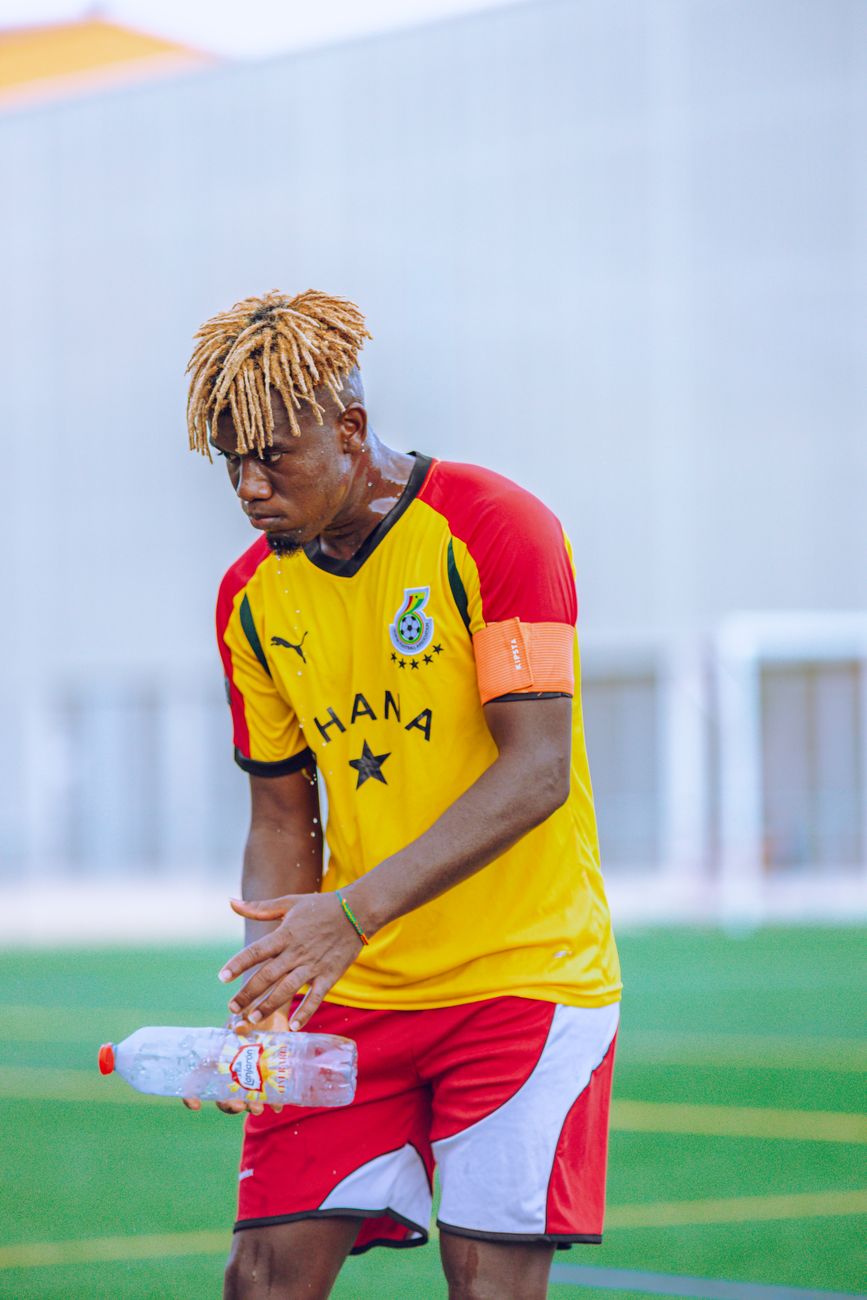
The U.S. Men's National Team came to Qatar believing. They left the pitch Thursday night with the weight of a nation pressing down on their shoulders—and a 2-1 loss to Ghana that sends them home earlier than anyone wanted.
Let's not sugarcoat it. This was ugly. The kind of ugly that wakes you up at 3 a.m. replaying the mistakes. The kind that leaves you wondering if the program has actually learned anything since 2018.
First Half: A Ghost of a Game
From the opening whistle, the USMNT looked tight. Like they'd swallowed their own tongues. Ghana, by contrast, played with the freedom of a team that had nothing to lose—and it showed.
In the 14th minute, Mohammed Kudus sliced through the American midfield like a hot knife through butter. One pass, one cut, and the ball was in the back of the net. 1-0 Ghana. The silence in the stadium was deafening.
Christian Pulisic tried to spark something. A run here. A shot there. But he was isolated, a lone bright spot in a sea of disorganization. The midfield—Weston McKennie and Yunus Musah—looked a step slow. They couldn't connect passes, couldn't win second balls. It was a recipe for disaster.
“We just didn't show up in the first half. That's on us. Every one of us.” — Tyler Adams, post-match
By halftime, the stats told the story: Ghana had 58% possession, 8 shots to the US's 2, and a 1-0 lead that felt like 3-0.
Second Half: Hope, Then Heartbreak
Gregg Berhalter made changes at the break. Out came a defender, in came an attacker—a desperate move from a desperate coach. It worked for about 15 minutes.
In the 57th minute, Pulisic finally found space. A through ball from Gio Reyna, a deft touch, and Pulisic slotted it home. 1-1. The American fans erupted. Maybe, just maybe, this team could pull it off.
But the joy was short-lived. Seven minutes later, Ghana struck again. A set piece—the USMNT's kryptonite—was headed home by Alexander Djiku. 2-1. And this time, there was no answer.
The final 20 minutes were a masterclass in panic. Long balls. Desperate tackles. A yellow card for McKennie that means nothing now. The USMNT pushed forward with all the subtlety of a sledgehammer, and Ghana absorbed every blow.
The Bigger Picture: Same Old Problems
This loss wasn't just about one game. It was a mirror held up to the program's persistent weaknesses.
First, set pieces. How many times do we have to watch this team concede from a corner or free kick? It's a recurring nightmare. Second, the midfield. For all the hype around McKennie and Musah, they've yet to dominate a game when it matters. Third, the lack of a true No. 9. Pulisic is a wizard, but he's not a target striker. The USMNT needs someone who can hold up play, win headers, and bully defenders. They don't have that player.
“We have to look at ourselves in the mirror. This is not good enough. Not for this group, not for this country.” — Christian Pulisic
And then there's the question of coaching. Berhalter has been at the helm for four years. He's implemented a system, a philosophy. But when the game gets tight, the system breaks. There's no plan B, no adaptability. The USMNT plays one way—and when that way fails, they crumble.
What Now?
The World Cup is over for the United States. Again. The cycle begins anew: second-guessing, post-mortems, calls for change. Some will say Berhalter should go. Others will argue for patience. Both sides have valid points.
But one thing is clear: the USMNT has plateaued. They're not the disaster of 2018, but they're not the breakthrough of 2002 either. They're stuck in the middle—good enough to qualify, not good enough to advance.
The talent is there. Pulisic, Reyna, Adams, Dest—these are players who can compete at the highest level. But talent alone doesn't win World Cup games. It takes organization, grit, and a tactical plan that holds up under pressure.
Thursday night in Qatar, the USMNT had none of those things. And now they're heading home, leaving fans to wonder: when will it ever be different?
The answer, unfortunately, is not today.