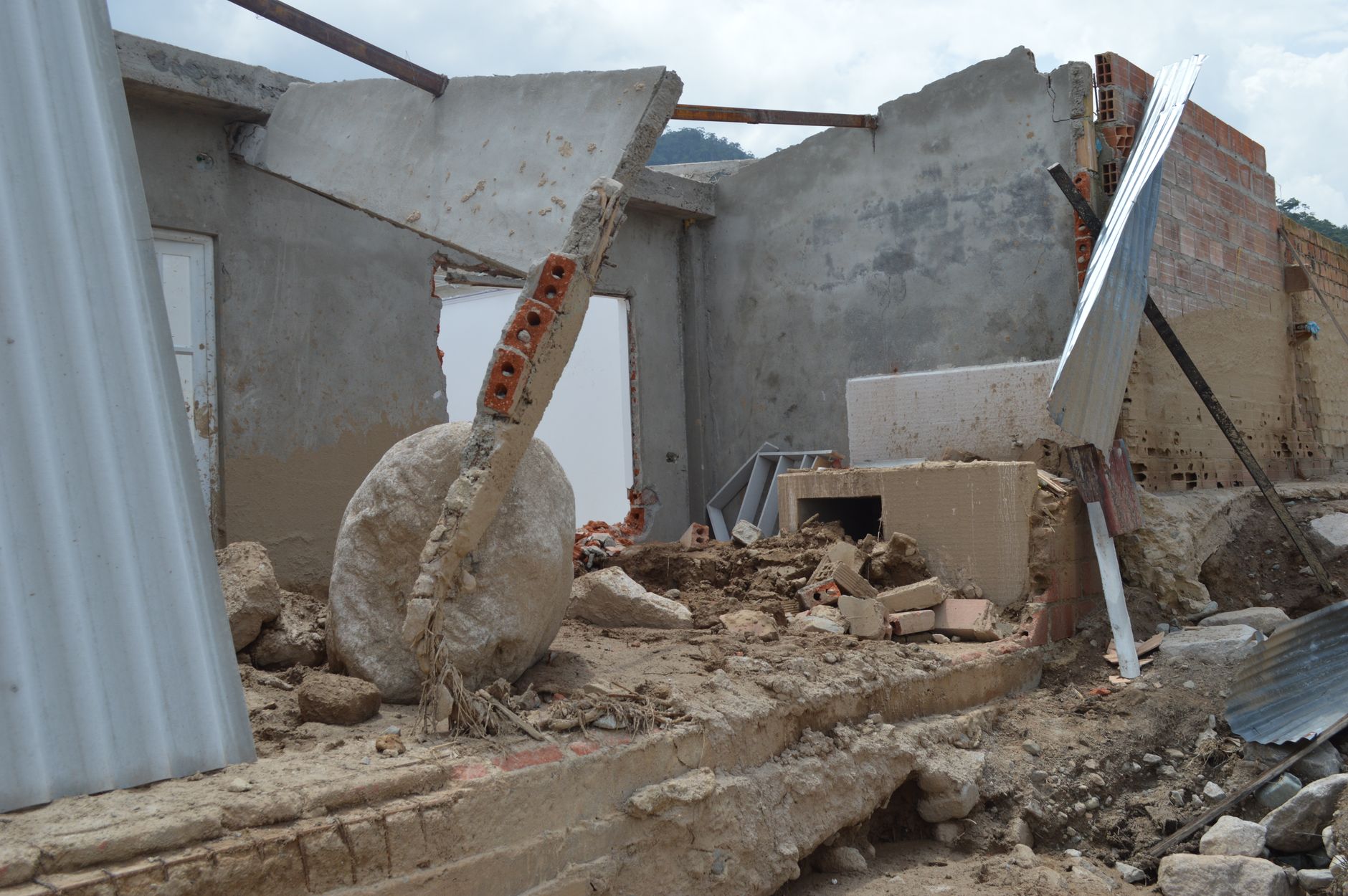
When the ground first lurched at 2:47 AM, Noris Soto grabbed her two kids and ran. By dawn, her neighborhood in Cumaná was rubble. By noon, a second quake hit. And by nightfall, she realized no one was coming to help.
“No soldiers, no ambulances, no one with a clipboard,” Soto told me over a crackling phone line. “Just neighbors digging with their hands.”
Venezuela was struck by two powerful earthquakes—magnitudes 6.8 and 6.2—within 12 hours on Wednesday. The epicenters were near the coastal state of Sucre, a region already buckling under hyperinflation and blackouts. The official death toll stands at 47. The unofficial one? No one knows. Because no one is counting.
A government that doesn't show up
The Maduro administration has always been slow to respond to disasters. But this time feels different. This time, it's not just slow—it's absent.
State television ran a loop of the president inspecting a half-built housing complex in Caracas, 400 kilometers away. No address to the nation. No emergency decree. No visible deployment of search teams. Local hospitals, already scavenging for medicine, were overwhelmed within hours. In Barcelona, doctors performed amputations without anesthesia. In Cumaná, bodies were stacked on sidewalks because the morgue had no power.
“The government has no plan,” said a Red Cross volunteer who asked not to be named. “They have no helicopters, no fuel for trucks, no communication. We are on our own.”
“No soldiers, no ambulances, no one with a clipboard. Just neighbors digging with their hands.”
The infrastructure of collapse
This is what a failed state looks like in real-time. Venezuela's oil industry, once the lifeblood of the economy, has been gutted by mismanagement and sanctions. Refineries produce a fraction of what they did a decade ago. The power grid, neglected for years, flickers in and out daily. Hospitals run on generators that run out of diesel. And the military, once the regime's iron fist, is now a hollow shell—demoralized, underpaid, and hoarding what little fuel it has.
When the quakes hit, the government's disaster agency, Protección Civil, had barely any vehicles operational. The national telephone network collapsed within hours. Internet access, already throttled, went dark in the affected zones. What coordination existed was done through WhatsApp and word of mouth.
“We are back to the 19th century,” a local journalist texted me. “People are using candles and radios. The state is a ghost.”
The human toll
Noris Soto's neighbor, a 68-year-old man named Carlos, died when his house collapsed during the second quake. His body lay in the street for six hours before someone covered him with a blanket. “There was no one to call,” Soto said. “The police station is empty. The mayor's office is locked. The hospital told us to bring him ourselves, but we have no car.”
Across the region, stories like Carlos's multiply. A mother in Cumana gave birth in a tent because the maternity ward collapsed. A schoolteacher organized a bucket brigade to put out fires sparked by ruptured gas lines. A priest performed last rites for 30 people in one afternoon.
International aid has been slow to arrive. The United Nations offered assistance, but the Maduro government initially refused, calling it a “political maneuver.” By Thursday, with pressure mounting, it accepted—but only on the condition that aid be distributed by state officials. The same officials who, hours earlier, had done nothing.
A regime that can't govern
This is not a natural disaster. It is a political one. Earthquakes happen. But the scale of suffering is determined by the strength of institutions. Venezuela's institutions have been systematically dismantled. The army is a political tool, not a rescue force. The bureaucracy is a patronage network, not a service. The president is a propagandist, not a leader.
Maduro's response—or lack thereof—is a confession. He cannot govern. He cannot protect. He cannot even pretend to care. His silence speaks louder than any speech.
The question now is whether the international community will force a change. Aid is pouring in from Cuba, Russia, and Turkey, but much of it will be siphoned off or politicized. The United States has offered logistical support but demands Maduro step aside. China, Venezuela's largest creditor, has remained quiet.
The verdict
Venezuela is not just suffering from earthquakes. It is suffering from a government that has abandoned its people. Noris Soto doesn't need a politician to tell her that. She's living it.
“I don't know what we will do tomorrow,” she said. “But I know we will do it ourselves.”