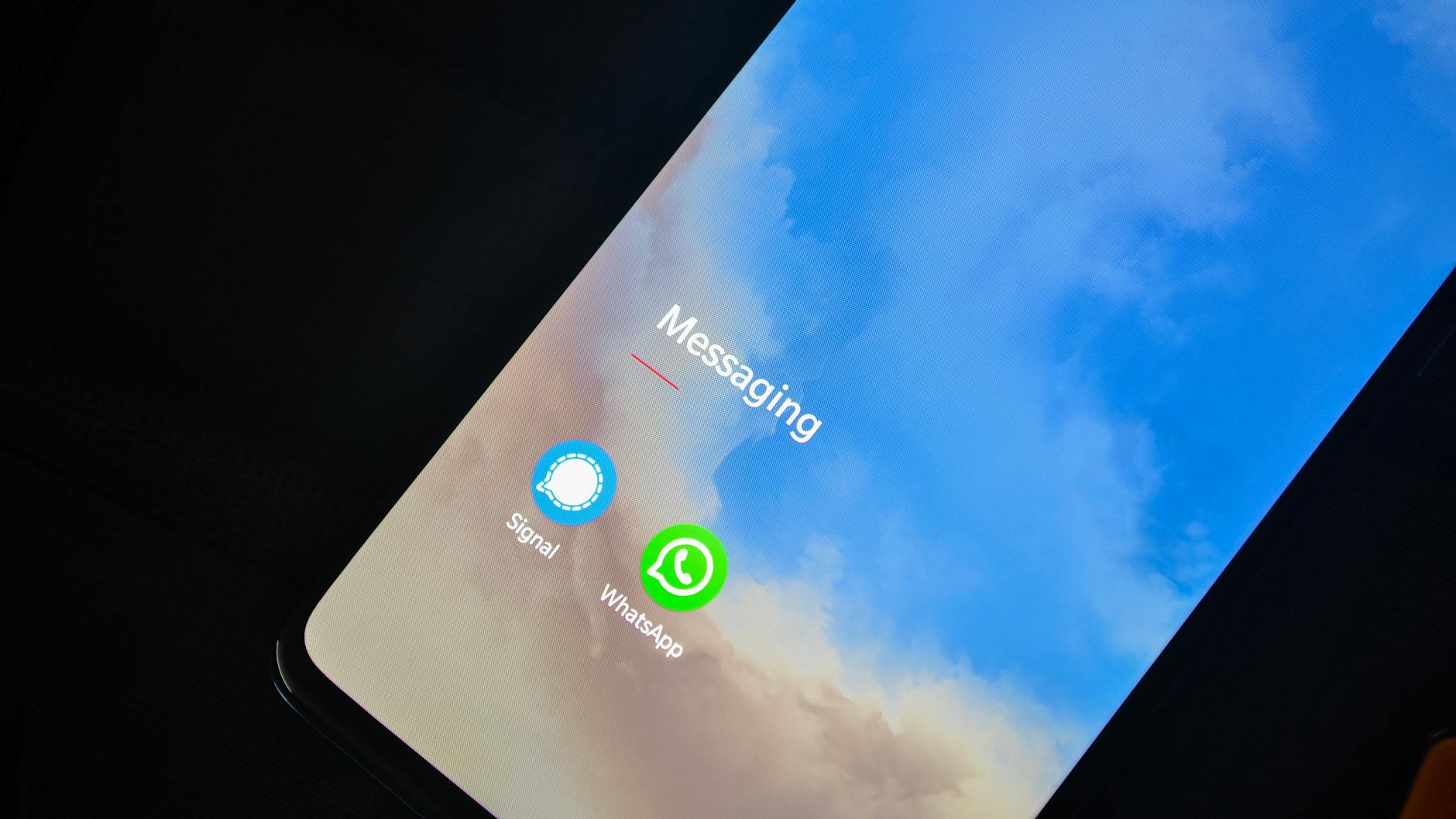
You know that moment when you hand over your phone number to join a WhatsApp group, and suddenly strangers can see your profile picture, your status, your very existence? That hell is ending. WhatsApp is finally rolling out usernames. It's about damn time.
For years, the app forced you to expose your phone number to anyone who wanted to message you. In countries where WhatsApp is the default — India, Brazil, much of Europe — that meant your private digits circulated like a chain letter. Spam, scam calls, and the creepy guy from the parents' WhatsApp group all had a direct line to you. The only fix? Change your number, which meant notifying every contact, or just deal with it.
Now, WhatsApp says usernames are coming. You'll get a unique handle — @yourname — and can choose who sees your actual number. Group admins can restrict visibility. You can message someone without exchanging numbers at all. It's the kind of basic privacy feature Signal and Telegram have had for years, but hey, better late than never.
But here's the catch: this is still Meta we're talking about. The same company that built a billion-dollar business on your data. The same company that told us "privacy is a human right" in 2019, then spent the next five years proving it doesn't believe that. Can we trust WhatsApp with usernames?
The Feature That Should Have Existed Since Day One
Let's be clear: phone numbers as identifiers were always a bad idea. A phone number is tied to your identity, your location, your carrier. It's the skeleton key to your digital life. Two-factor authentication codes? Sent there. Forgotten passwords? Reset via that number. When you give someone your WhatsApp number, you're not just giving them a chat app contact — you're giving them a vector for harassment, doxxing, and SIM swapping.
Usernames fix that. You can be @clara_writes or @mystery_dude without revealing your digits. Want to chat with a journalist or a potential employer? Share your username. Done. No commitment. No creep factor.
Telegram has had this forever. Signal introduced usernames in 2024. WhatsApp is arriving late to the party, but the party needed them. With over 2 billion users, the impact is massive. For once, Meta is doing something that actually protects users instead of mining them.
The Trust Problem: Meta's Shadow
Here's the thing about Meta: they have a long history of saying one thing and doing another. Remember when they promised not to merge WhatsApp data with Facebook? Then they did exactly that. Remember the 2021 privacy policy scare that sent millions fleeing to Signal and Telegram? Yeah, that was justified.
Usernames sound great, but how will Meta use this data? Will usernames be searchable by default? Will they be linked to your Facebook profile? Will advertisers suddenly learn that @clara_writes likes hiking and buys cat food? The devil is in the details.
WhatsApp says usernames are optional — you can still use your number. And they stress that usernames are private by default; only people you choose can contact you via your handle. But we've heard "private by default" before. The graveyard of Meta's broken promises is full.
Still, give credit where it's due. This move removes a key reason people leave WhatsApp. It's a direct response to competitors like Signal, which saw explosive growth after WhatsApp's 2021 debacle. If Meta actually follows through and keeps usernames truly private, it could restore some trust. But "some" is the operative word.
What This Means for Users
For the average person, this is a net positive. You can now join a work group or a hobby community without handing out your number. If someone harasses you, you block them — they can't just get a new SIM and find you again. Your number stays yours.
For journalists, activists, and anyone in a sensitive position, this is huge. In countries where surveillance is rampant, exposing a phone number can get you killed. Usernames offer a layer of protection that wasn't there before. Signal and Telegram still have better privacy credentials, but WhatsApp's sheer ubiquity means this feature will protect more people, simply because more people use it.
Businesses will also benefit. Instead of managing multiple WhatsApp Business numbers, you can have a single account with a company username. Customers reach you without ever seeing your personal line. Clean, professional, private.
The Fine Print: What's Missing
Before we throw a parade, let's look at what WhatsApp hasn't said. There's no mention of end-to-end encryption for username-based chats. That's standard for WhatsApp, so it's probably fine, but they should confirm. Also, no details on how you'll discover usernames — will there be a directory? Search by username, sure, but will it show your bio or profile photo to anyone who types your handle? That's a privacy risk if not locked down.
And what about groups? Currently, anyone with your number can add you to a group. Will usernames change that? You'd hope so, but WhatsApp hasn't clarified. If usernames don't stop the unwanted group add ons, the feature is half-baked.
Timeline? Rolling out globally over the next few months. As usual, expect a slow drip — first to beta testers, then Android, then iOS, then maybe never for some regions. Meta's rollout history is spotty at best.
Verdict: Good Step, But Stay Skeptical
Usernames are a win for privacy. Full stop. They remove one of the biggest friction points in WhatsApp and bring it closer to where competitors have been for years. But this is Meta. The company that treats trust as a commodity to be spent and replenished at will. Enjoy the feature. Use it. But keep one eye on the settings menu, because that's where the real privacy lives — or dies.
And if you're truly paranoid? Signal's still free. Just saying.