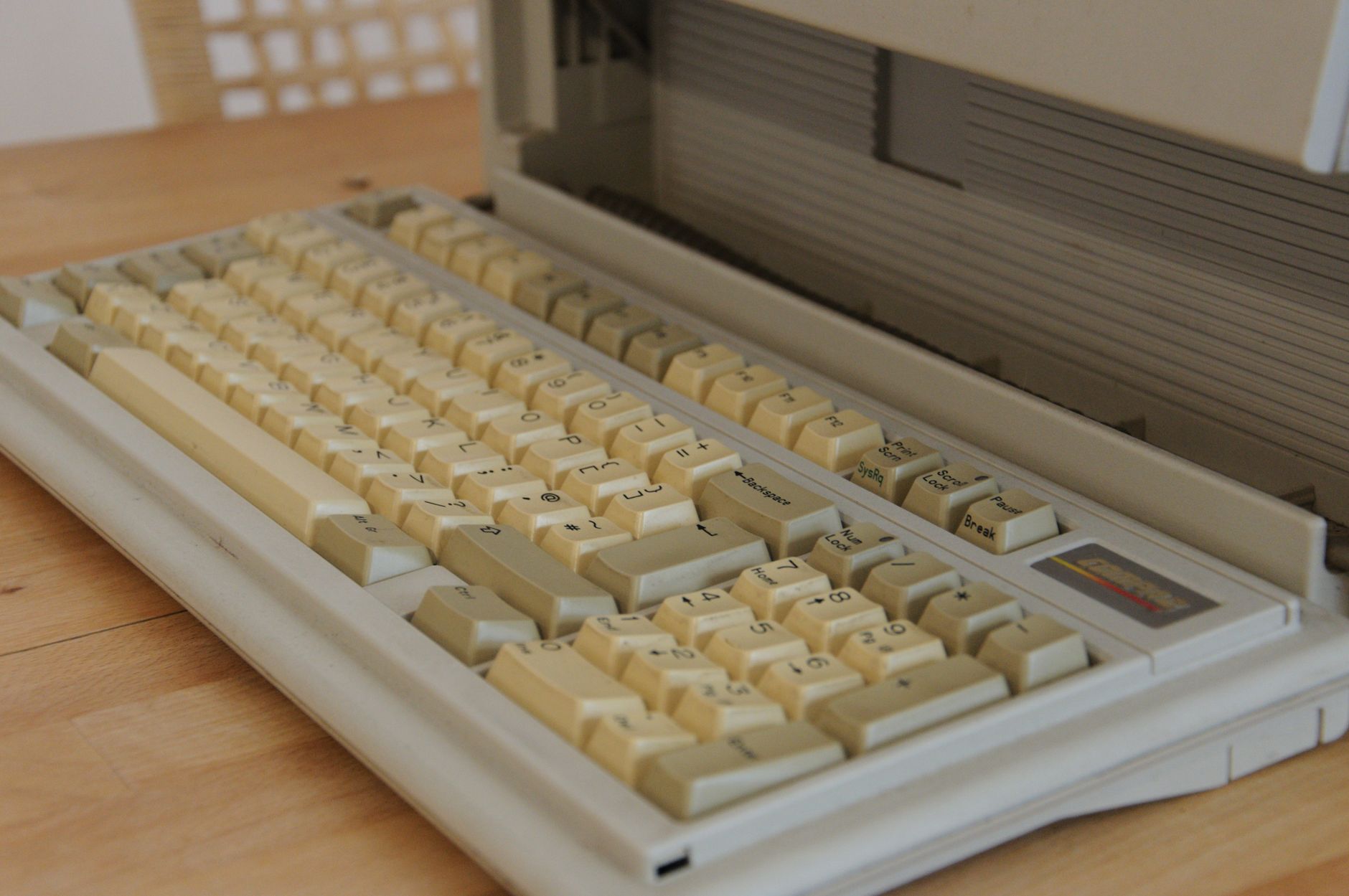
I remember the first time I opened WordStar. It was 1993, and the office manager told me, 'You'll hate it at first. Then you'll never go back.' She was right. For a generation of writers—journalists, novelists, lawyers—WordStar wasn't just a tool. It was a religion. And more than three decades later, a stubborn congregation still worships.
WordStar hit its peak in the mid-1980s. It dominated the word processing market with an 85% share. Then Microsoft Word ate its lunch. By 1996, the year this article appeared on a fan site, WordStar was dead in all but spirit. Yet here we are, still talking about it.
Why? Because WordStar did something that modern word processors refuse to do: it got out of the way.
The Magic of Zero Distractions
Open WordStar today and you're greeted by a blinking cursor on a black screen. No toolbars. No ribbons. No popups begging you to save to the cloud. Just you and the words. The interface is all keyboard shortcuts—Ctrl+commands that, once memorized, become muscle memory. Writers who mastered it could move entire paragraphs, search and replace, and format documents without ever touching a mouse.
That's the secret. WordStar treated writing as a craft, not a data entry job. It assumed you were serious. It didn't try to help you design a newsletter or insert clip art. It let you write.
And writers loved it. George R.R. Martin still uses WordStar for his 'A Song of Ice and Fire' novels. He has a dedicated DOS machine running it because no modern version exists. When asked why, he said, 'It does what I need and nothing else.' That's a sentiment you don't hear about Microsoft Word.
'WordStar did something that modern word processors refuse to do: it got out of the way.'
There's a lesson here. Every year, software gets more complex. Apps pile on features nobody asked for. They want to be everything to everyone. But writing isn't about features. It's about focus. And focus requires simplicity.
What Killed WordStar (Hint: It Wasn't Quality)
WordStar's fall wasn't about being worse. It was about being outflanked. Microsoft bundled Word with Windows for free in the late 1980s. WordStar, by then owned by a series of clueless corporations, kept charging $500 a copy. They missed the shift from command-line to GUI, from niche to mass market. By the time they released a Windows version in 1992, it was too little, too late.
Sound familiar? It should. The same story keeps repeating. BlackBerry vs. iPhone. Betamax vs. VHS. The better product doesn't always win. The one that dominates distribution does.
But WordStar's death had a side effect. It created a diaspora of writers who never felt at home in the Microsoft world. They drifted to tools like Scrivener, which offers structure without clutter. Or they stuck with plain text editors like Notepad++. Or, like Martin, they kept WordStar alive on ancient hardware.
The Resurrection of Minimalism
Here's the irony: the tech world has come full circle. In the last decade, a wave of 'distraction-free' writing apps emerged—Ulysses, iA Writer, Bear, and countless others. They all promise the same thing WordStar delivered: an interface that vanishes as you write. They all strip away menus and buttons. They all claim to be the writer's best friend.
But none of them are WordStar. Because WordStar wasn't just a tool. It was a culture. It had its own keyboard overlays. Its own manual that read like a thriller. Its own community of fanatics who traded tips in newsletters and BBS forums. You didn't just use WordStar—you belonged to it.
'The better product doesn't always win. The one that dominates distribution does.'
That's something modern apps can't replicate. You can't build a tribe with a download link. It takes time, passion, and a product that feels like it was made for you, not for the market.
What Writers Should Steal from WordStar
I'm not saying you should dust off a 30-year-old computer. But there are principles worth stealing.
First: learn your tools deeply. The average writer uses maybe 10% of Word's features. But they're still distracted by the other 90%. Pick something simple. Master it. Stop shopping for the perfect app.
Second: embrace constraints. WordStar's limits—no fonts, no images, no spell check—forced you to think about words, not formatting. Constraints breed creativity. They force you to solve problems with craft, not cosmetics.
Third: ignore the crowd. WordStar was a dead platform for decades, yet its users didn't care. They knew what worked for them. The tech industry will always push you toward the new, the shiny, the updated. But new isn't always better. Sometimes it's just different, and worse.
I'm writing this in a text editor with no bold, no italics, no toolbars. It's not WordStar. But it's close. And it works. Because in the end, the best word processor is the one you use to write.
WordStar is gone. Long live WordStar.