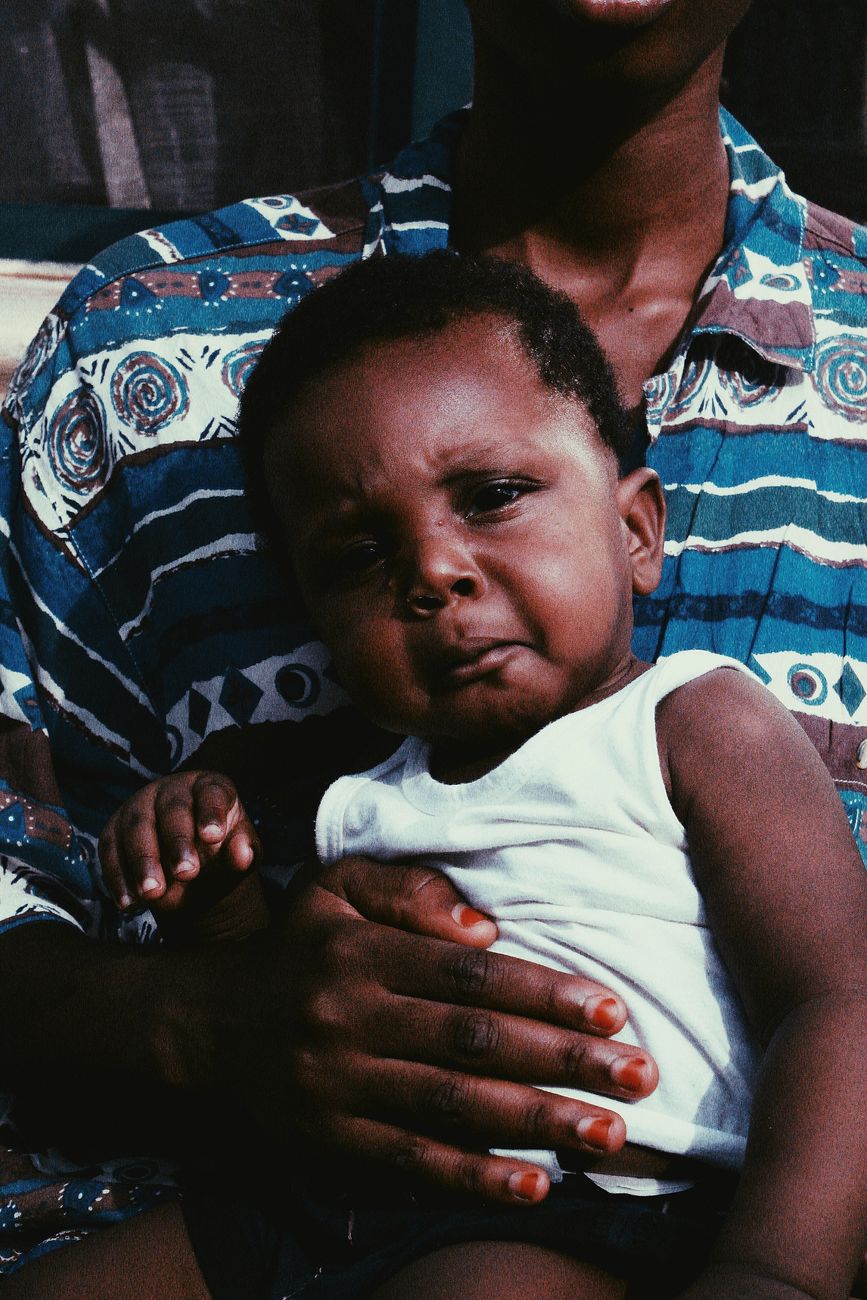
The night it happened, the baby was 18 months old. Too young to speak, let alone describe the horror. But her body told the story. The hospital report was clinical: severe internal injuries, evidence of sexual assault. The police filed charges. The neighbors whispered. And then, for eight years, the system did what it does best: nothing.
I met the mother in a cramped one-room home on the outskirts of Delhi. She doesn't want her name used — not for fear of reprisal, but because she's tired of repeating herself to reporters who come, write their stories, and vanish. She's learned that sympathy doesn't translate into speed. Her daughter is now nine. She still has nightmares. She still flinches when men come near.
'They said it would take a few months,' the mother tells me, her voice flat. 'Then a year. Then two. Now I've stopped counting.'
The accused? A relative. Someone trusted. Someone who still walks free because the case has been adjourned 37 times. The trial hasn't even started.
Welcome to India's Justice Machine
India's rape laws got tougher after the 2012 Nirbhaya case. Fast-track courts were set up. Death penalty was introduced. Politicians held press conferences. But on the ground, nothing changed. The Special Fast Track Courts meant to expedite cases? Overloaded. The judges? Transferred mid-trial. The witnesses? Bribed or threatened into silence.
'Justice delayed is justice denied. But in India, it's also justice forgotten.'
According to the National Crime Records Bureau, over 200,000 rape cases are pending in Indian courts. Some have been waiting for more than a decade. For child victims, the wait is a second assault. They grow up with the case hanging over them — constant reminders, repeated questioning, the trauma relived every time a court date is missed.
The Family Fracture
There's another layer to this story that doesn't make the headlines. The accused is family. Which means the family is split. Some relatives side with the victim; others with the accused. The mother says her own mother-in-law has stopped speaking to her. 'She said I was ruining the family name by going to court. She said the child would forget. But I can't forget.'
This is the hidden cost of justice: the social isolation, the financial drain, the daily grind of living between hope and despair. The mother works as a domestic help, earning Rs 8,000 a month. She's spent more than that on bus fares to court, on photocopies of documents, on missed wages. She has no lawyer; the state provides one. He shows up late, if at all.
The Child Who Waits
The girl is nine now. She knows what happened. Her mother told her, in careful words, when she was old enough to ask why they went to court. 'She said, 'Maa, when will the judge send him to jail?' What do I say? That the judge has too many cases? That the system is broken?'
I ask the girl what she wants to be when she grows up. 'A policewoman,' she says without hesitation. 'So I can catch bad people and put them in jail.' Her mother smiles, but her eyes are wet.
Why This Case Matters
This is not an isolated story. It's the story of India's criminal justice system — a bloated, underfunded, archaic machine that chews up victims and spits out acquittals. The problem isn't the law; it's the implementation. Fast-track courts exist on paper but not in practice. Witness protection is a joke. And the police? Overworked, underpaid, and often indifferent.
A 2023 study by the Vidhi Centre for Legal Policy found that the average rape trial in India takes over three years. For child victims, the wait is even longer because the cases are often transferred to special children's courts that are even more understaffed. The backlog is so severe that some judges hear 50 cases a day. You can't deliver justice in five minutes.
The government spent Rs 1,000 crore on setting up 1,023 fast-track courts in 2019. Four years later, only 728 were operational. The rest were stalled due to lack of infrastructure, staff, or political will. In Delhi, where this family lives, the situation is particularly dire. The city has over 15,000 pending rape cases. At the current rate, clearing them would take 12 years.
The Verdict That Never Comes
The mother tells me she's stopped expecting justice. 'I just want it to end. Even if he goes free, I want the case to close. So my daughter can move on.' That's a devastating admission from a woman who once believed in the system. Eight years of adjournments will do that to you.
But she doesn't give up. She still goes to court every month. She still pays the bus fare. She still hopes that one day, a judge will look at the medical report, look at the child, and say, 'Guilty.'
I ask her what keeps her going. She looks at her daughter, who is drawing a rainbow on a scrap of paper. 'She doesn't understand what 'adjourned' means. She asks me every morning, 'Maa, will we catch the bad man today?' I lie and say yes. One day, I hope I don't have to lie.'
That day can't come soon enough. For the girl, for her mother, for the thousands of families trapped in this limbo. The system has failed them. The question is: will it ever stop failing?