The guns along the Israel-Lebanon border fell silent just after midnight. No missile sirens. No retaliatory strikes. Just the hollow quiet that follows weeks of cross-border fire that threatened to trigger a broader war.
The ceasefire between Israel and Hezbollah—announced late Thursday by the White House—came after intense U.S. shuttle diplomacy. The deal: an immediate halt to all attacks, with a framework for talks on a permanent security arrangement. But if history is any guide, this pause is fragile, and the underlying tensions remain explosive.
How We Got Here
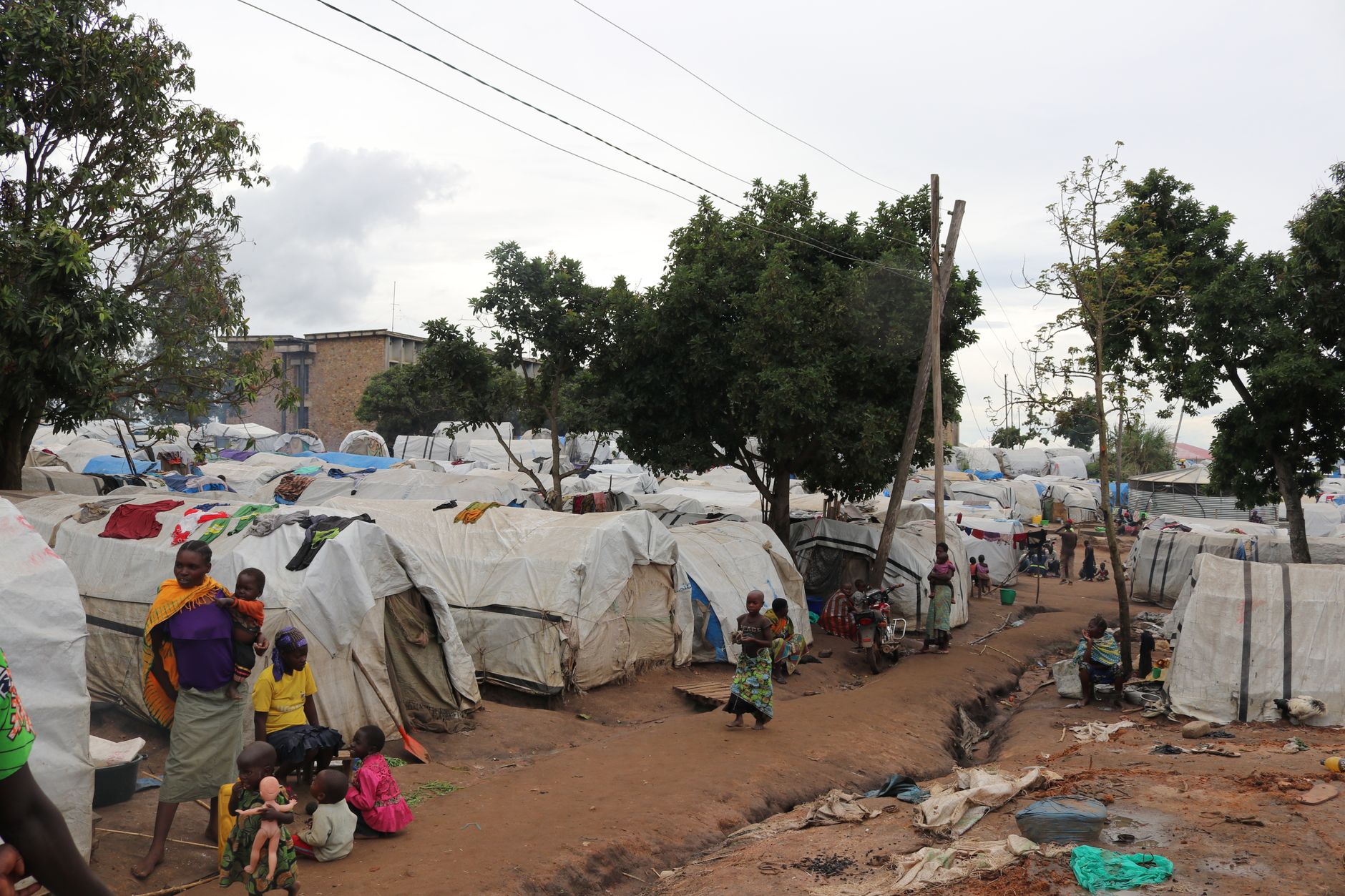
The fighting erupted on June 5, when Hezbollah launched a barrage of rockets into northern Israel. Israel responded with airstrikes deep into Lebanese territory—targeting weapons depots, command posts, and even a suspected missile factory. In three weeks, over 120 people were killed in Lebanon, mostly civilians, and 14 in Israel. The UN warned of a humanitarian crisis as thousands fled the border region.
Behind the scenes, the U.S. leaned hard on both sides. National Security Advisor Jake Sullivan made back-to-back calls to Israeli Prime Minister Benjamin Netanyahu and Lebanese caretaker Prime Minister Najib Mikati. The message: de-escalate or risk a war that no one could control.
What the Deal Actually Says
The agreement has three main points: First, both sides stop all military operations. Second, a joint U.S.-French monitoring mechanism will verify compliance. Third, the parties agree to revive UN Security Council Resolution 1701, which ended the 2006 war but was never fully implemented. That resolution demands Hezbollah disarm—a demand that’s been ignored for two decades.
“This is a pause, not a peace. Hezbollah hasn't laid down a single rocket. They've just stopped firing for now.” — Middle East analyst Rami Khouri
So far, both sides have honored the ceasefire. But the real test comes in the coming days, as Hezbollah’s leadership weighs whether to accept long-term restrictions on its arsenal.
Why Now?
Timing matters. The ceasefire came just hours after Israeli warplanes struck a Hezbollah convoy near the Syrian border. That attack killed 12 fighters and destroyed a shipment of precision-guided missiles—likely Iranian-made. Hezbollah retaliated with a volley of rockets that hit an Israeli military base, wounding four soldiers.
Both sides had good reason to step back. Israel faced growing international pressure over civilian casualties, including a strike on a UN school that killed 18 people. Hezbollah, meanwhile, was running low on advanced munitions and feared a full-scale Israeli ground invasion.
What Comes Next
Don't mistake this for a breakthrough. Hezbollah's raison d'être is resistance to Israel—they won't give up their weapons voluntarily. The U.S. hopes the monitoring mechanism can at least limit their capabilities. But without a political solution in Lebanon—a functional government, a president, a plan to rebuild the economy—the security vacuum will only invite more violence.
For now, the bombs have stopped. But the war underneath—the war of attrition, of politics, of regional power plays—continues. The ceasefire is a Band-Aid on a bullet wound. It'll hold until one side decides the cost of restraint outweighs the cost of war.