Miguel Almiron didn’t throw a punch. He didn’t spit at a referee or shove an opponent. He simply pressed his hand over his mouth as Turkiye’s national anthem played—and got a red card for it. The first in World Cup history for covering his mouth.
In Group D, with Paraguay fighting for its life, the 32-year-old star midfielder was sent off before a ball was kicked. FIFA’s rules forbid “political” gestures. Covering your mouth, apparently, qualifies.
Here’s what happened: As the Turkish anthem echoed through the stadium, Almiron raised his left hand to his lips. He held it there for maybe 10 seconds. The fourth official spotted it. The referee reviewed the incident via VAR—yes, VAR for a gesture during an anthem—and out came the red card. No yellow. No warning. Straight red.
What the Hell Was That?
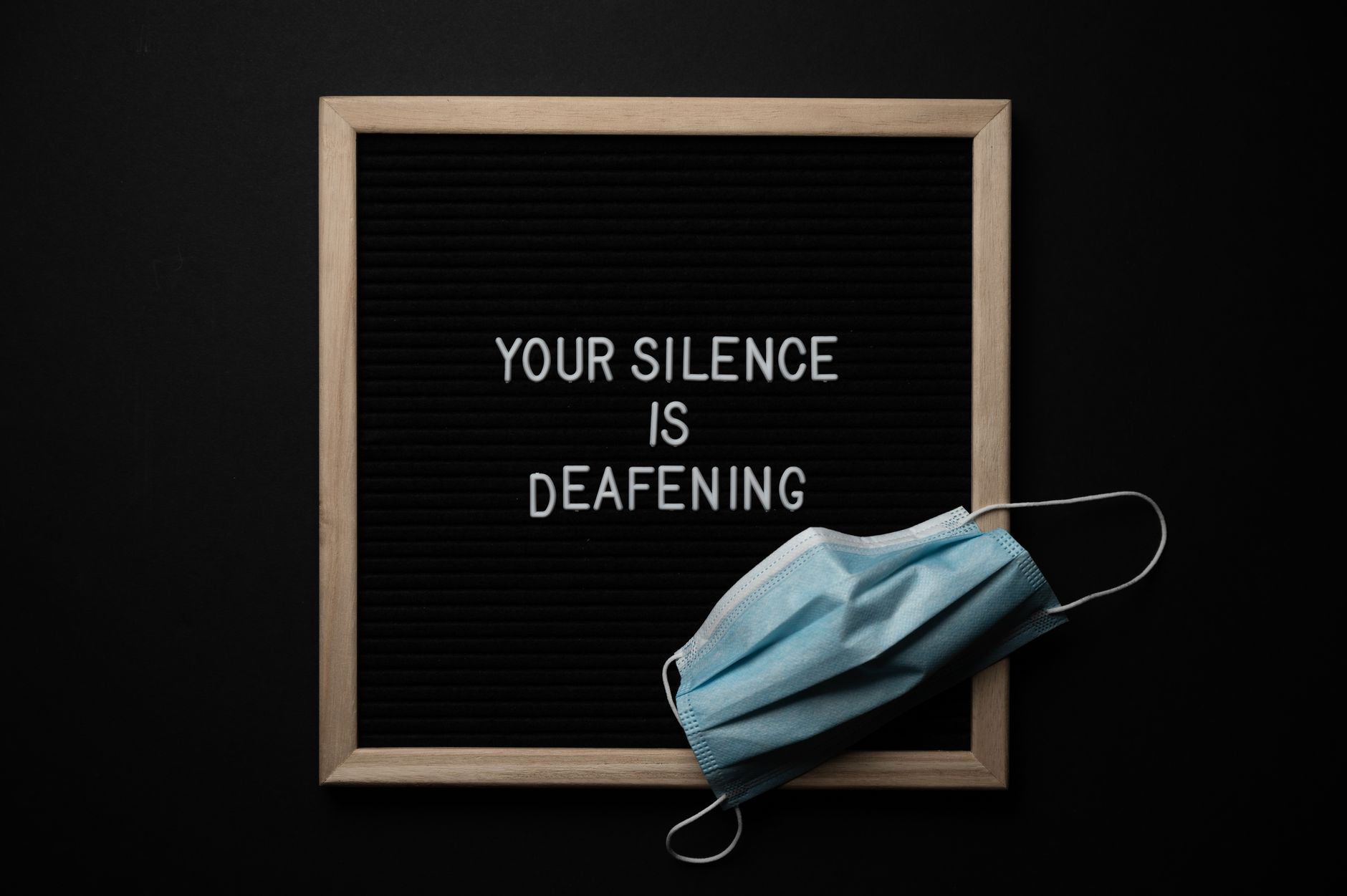
Almiron’s protest wasn’t subtle. He’d been vocal about the treatment of Indigenous communities in Paraguay, particularly the Ayoreo people, who face forced displacement. The gesture wasn’t new: athletes have covered their mouths at medal ceremonies, under banners, during anthems. It’s a statement: “I won’t sing. I won’t speak. My silence is a scream.”
FIFA, in its infinite wisdom, calls that a “political demonstration” prohibited under Articles 2 and 3 of its Code of Ethics. The rule is broad enough to ban anything from a Black Lives Matter T-shirt to a rainbow armband. But covering your mouth? That’s new territory.
FIFA’s rulebook is a mile long but clear on one thing: no politics. The problem is everything can be political.
Except, of course, the World Cup itself. The tournament is a political stage—every flag, every national anthem, every goal celebration carries weight. But athletes are expected to smile and wave, not think.
Paraguay’s World Cup Hopes Collapse
The red card killed Paraguay’s chances. Without Almiron, the team was a shell. Turkiye dominated possession, scored twice in the first half, and cruised to a 3-0 win. Paraguay, already struggling after a draw and a loss, now sits last in Group D with one point. They need a miracle against Italy to advance.
Manager Guillermo Barros Schelotto was livid: “He made a mistake, but a red card? For that? It’s disproportionate. The game is being decided by gestures, not football.”
Almiron declined to comment. His teammates said little. The Paraguayan federation is reportedly considering an appeal, but FIFA has a history of upholding such bans. The precedent: players who knelt, who wore armbands, who raised fists. All punished. All told to stick to sports.
The Silence That Speaks
Covering your mouth is the latest evolution of athlete protest. It began with Tommie Smith’s raised fist in 1968. It evolved into Colin Kaepernick’s knee, Megan Rapinoe’s silence, and now Almiron’s hand. The message: “I will not participate in the spectacle.”
Critics call it disrespectful. Supporters call it courageous. FIFA calls it punishable. But here’s the thing: the rule exists to protect the game from “political” interference, but it also protects the status quo. It tells athletes they are entertainers, not citizens.
Almiron’s gesture wasn’t loud. It wasn’t violent. It was a quiet refusal to perform patriotism. And for that, he was thrown out of the biggest tournament in the world.
Let’s be clear: I’m not arguing that every protest should be allowed on the field. There’s a line between expression and disruption. But covering your mouth during an anthem? That’s barely a whisper.
The real scandal here is that FIFA hasn’t learned a damn thing. Every tournament brings a new controversy, a new ban, a new attempt to silence players. And every time, the players find another way to speak.
Paraguay will likely lose its appeal. Almiron will likely miss the Italy match. The World Cup will move on. But the image of a player silencing himself—silenced by the rules—will linger. It’s a powerful symbol of how far the game has gone to erase dissent.
You can cover your mouth, but the message still gets through. FIFA can’t ban that.