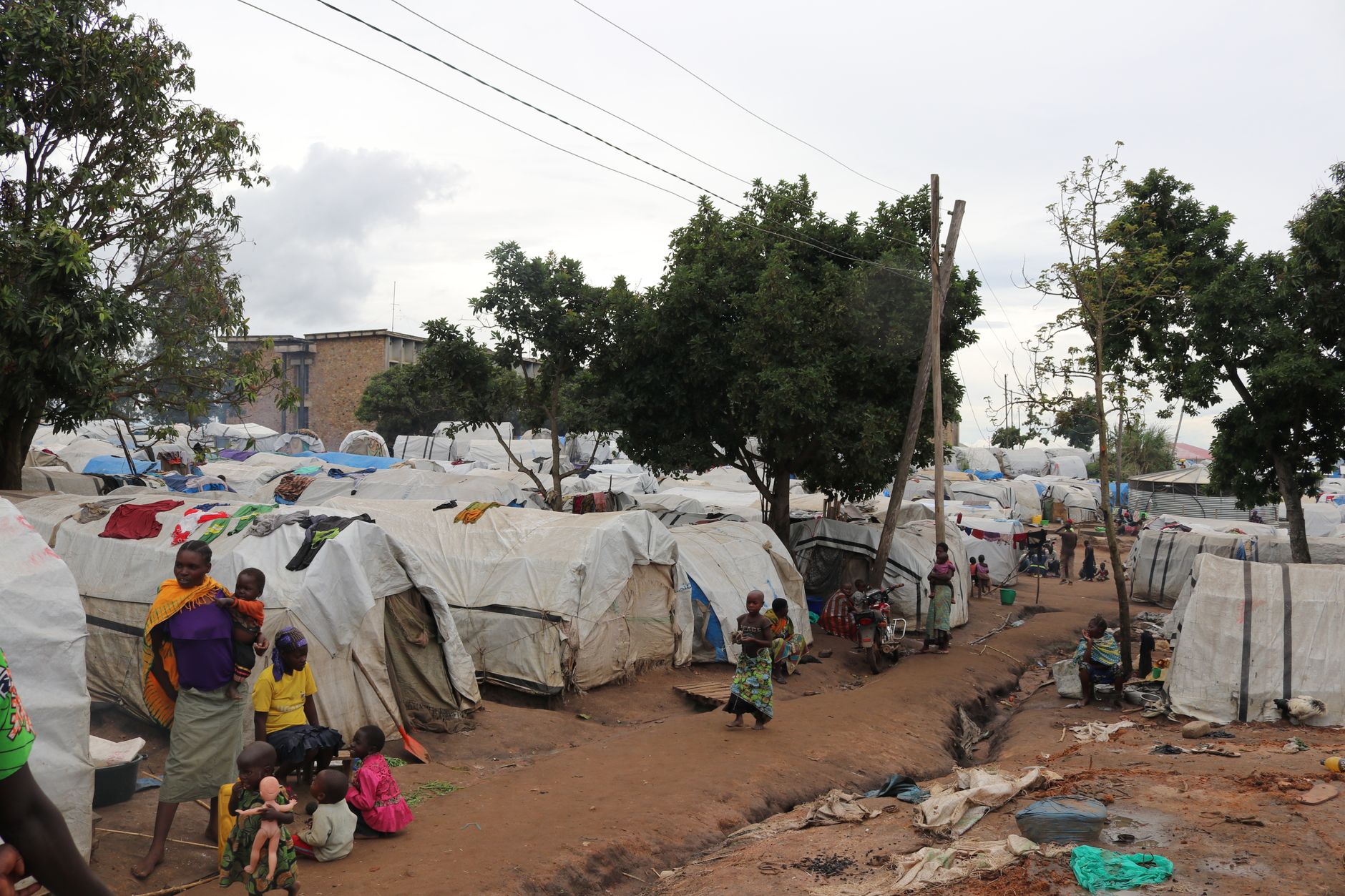
Thirty bodies. That's the official count from the Kigonze displacement camp in the Democratic Republic of Congo. Since May, at least 30 people have died there — and that's just the ones someone bothered to count.
The camp is a festering wound in a country that's been bleeding for decades. Kigonze was supposed to be a safe haven for families fleeing violence in Ituri province. Instead, it's become a breeding ground for disease, despair, and now — Ebola.
The first cases emerged quietly. A few people with fevers. Some bleeding from the eyes. The usual signs that make humanitarian workers' stomachs drop. By the time the World Health Organization confirmed the outbreak, it was already spreading through the camp's cramped rows of tarpaulin shelters.
Why This Camp? Why Now?
Kigonze holds around 40,000 people. That's 40,000 souls packed into a space designed for half that number. There is one latrine for every 200 people. Clean water is a luxury. Health workers are outnumbered and outgunned — literally. Armed groups control the roads in and out.
The Congolese government has been fighting a losing battle against Ebola since 2018. This is the country's 14th outbreak. You'd think they'd have a playbook by now. They do. The problem is nobody's running the plays.
Money is tight. The international community is tired of funding the same crises year after year. COVID-19 emptied the aid coffers. Ukraine swallowed the attention. The DRC is old news.
"The international community is tired of funding the same crises year after year."
But old news doesn't mean dead news. It means dead people. The Ebola virus doesn't care about donor fatigue. It doesn't care about geopolitical optics. It just finds a host, replicates, and spreads.
The Real Killer Is Neglect
Let's be honest: the 30 deaths are a symptom. The real disease is neglect. Kigonze camp has been a tinderbox for years. The spark was inevitable.
Displacement camps are supposed to be temporary. In the DRC, "temporary" means a decade or more. People are born, live, and die in these camps. They farm scraps of land. They send kids to school in tents. They bury their dead in shallow graves at the edge of the camp.
And then Ebola arrived. It doesn't need much. A handshake. A shared meal. A funeral where mourners touch the body. It spreads like a lie through a small town.
The response has been predictably slow. Health workers need protective gear. They need vaccines. They need security. They need salaries paid on time. All of these are in short supply.
Who's to Blame?
Start with the Congolese government. It's corrupt to the bone. Health ministry officials steal funds meant for epidemic response. Local politicians pocket money for supplies that never arrive. The president talks about progress while his people rot.
Then look at the international community. The UN runs the camp, but it's underfunded and overstretched. The World Health Organization sounds alarms but can't force anyone to act. Western donors write checks that bounce or arrive too late.
And the media? Guilty. I'm guilty. We've been distracted by flashier stories. We write about the DRC when there's a massacre or a celebrity visit. The grinding misery in between doesn't sell clicks.
But the dead don't care about our excuses. They're dead.
The Numbers Will Get Worse
The 30 dead are just the beginning. The incubation period for Ebola is up to 21 days. New cases are appearing every day. Contact tracing is almost nonexistent. People are fleeing the camp, carrying the virus into surrounding villages.
In the neighboring town of Bunia, hospitals are already reporting suspicious deaths. The government has set up checkpoints and thermal scanners. But checkpoints don't stop a virus. They just inconvenience the living.
The real question is how far this will spread. The DRC's health system is barely standing. A full-blown epidemic could dwarf previous outbreaks. We're talking thousands of deaths, not dozens.
And yet, the response remains lethargic. The World Health Organization has released a statement expressing "deep concern." Deep concern. What a useless phrase. If I were dying of Ebola, I'd trade all the "deep concern" in Geneva for one functioning ambulance.
The Hard Truth
Nobody is coming to save the people of Kigonze. Not the government. Not the UN. Not the well-meaning NGOs with their press releases and fundraising appeals. They'll do what they can, but it won't be enough.
The camp was a death trap long before the Ebola virus showed up. Malnutrition was killing children. Diarrhea was killing the elderly. Now there's a new killer on the block, and it's more efficient than all the rest.
Thirty dead is a number. A statistic. A headline that will be forgotten by next week. But each of those 30 was a person with a name, a family, a history. They fled violence only to die in a camp that was supposed to protect them. That's not just a tragedy. It's a fucking crime.
And the worst part? Nothing will change. The next outbreak will come. The next camp will burn. The next 30 bodies will be counted, mourned, and forgotten. Because that's how the world works when you're poor and black and living in a place nobody cares about.
I'm sorry. I'm supposed to be objective. But I can't look at 30 dead people and feel objective. I feel angry. You should too.