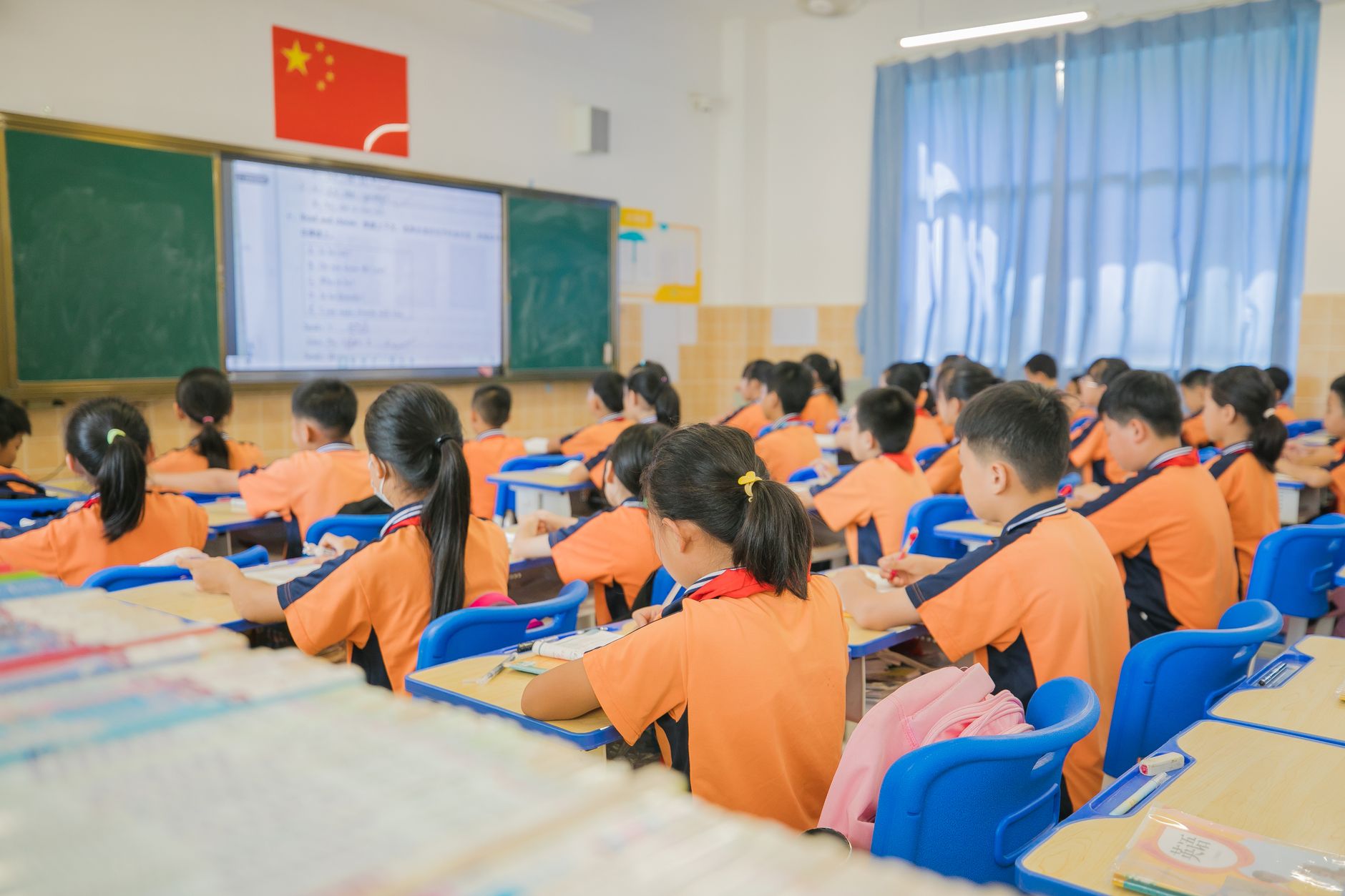
In a third-grade classroom in Shenzhen, 9-year-olds aren't just learning math—they're teaching a machine to spot patterns. The lesson: classify images of pandas and giraffes. The tool: a stripped-down neural network. By recess, these kids understand the basics of machine learning. Their parents? Not a clue.
This is China's new front in the tech war. Not chip factories. Not data centers. Classrooms. Beijing is shoving AI into every level of education, from preschool to PhD. The goal is simple: own the future of artificial intelligence by building a workforce that breathes it.
The scale is staggering. By 2025, China had AI curriculum mandates in 70% of its primary and secondary schools. Textbooks now include chapters on algorithms. Coding is a required subject in many provinces. Kids as young as six are taught to 'think like a machine.'
Why Start So Young?
Because habits stick. Chinese policymakers argue that AI fluency is as fundamental as reading and writing. If you learn it early, you don't just use AI—you build it. The state's AI development plan, released back in 2017, set the target: make China the world leader in AI by 2030. That means millions of engineers, researchers, and entrepreneurs who never knew a world without machine learning.
Critics call it brainwashing. Supporters call it survival. Either way, it's working. China now produces more AI papers than any other country. It also files the most AI patents. The pipeline is filling up—from primary school science fairs to university labs funded by Tencent and Alibaba.
'If you learn it early, you don't just use AI—you build it.'
What the Kids Actually Learn
It's not all Python and TensorFlow. Younger children start with 'unplugged' activities—card games that teach logic, board games that simulate neural networks. By middle school, they're building simple chatbots. High schoolers train models on real datasets—traffic patterns, weather data, even ancient poetry.
Teachers undergo rigorous retraining. The government has partnered with tech giants to create standardized lesson plans. A company called Squirrel AI already runs adaptive learning platforms in thousands of schools—software that adjusts difficulty based on each student's mistakes. Yes, AI teaching AI.
The downside? Exams. China's education system is notoriously test-driven. Critics worry AI classes will become another box to tick, another set of multiple-choice questions to memorize. 'They teach the test, not the thinking,' says a former teacher from Beijing who now works in edtech (and asked to remain anonymous). 'Kids can write a neural network from memory but can't explain what overfitting means.'
The Surveillance Angle
Let's not pretend this is purely academic. China's AI push in schools is inseparable from its surveillance state. Facial recognition tracks attendance. Smart cameras monitor classroom engagement—'Are your eyes on the teacher? Are you yawning?' The data feeds into a national system that measures 'learning efficiency.'
Privacy advocates are horrified. But parents? Many are relieved. In a country where education is the ticket to a middle-class life, any tool that boosts scores is welcome. The government frames it as protection: 'AI keeps your child safe from bullying, from straying off campus, from bad habits.'
Is America Falling Behind?
The US still leads in AI research, but the gap is closing—fast. China has the advantage of scale: 200 million students, a centralized curriculum, and a government that can mandate change overnight. America's fragmented system—50 states, thousands of school boards—can't move that fast.
Some US schools teach coding, sure. But it's optional, often extracurricular. A Stanford study found that only 12% of American high schools offer a dedicated AI course. In China, it's over 60% and rising.
But there's a catch. China's system produces quantity, not necessarily quality. Students excel at pattern-matching and rote implementation—but struggle with original research and critical thinking. The best AI breakthroughs—GPTs, transformers, diffusion models—still come largely from the West. Can China close that creativity gap? The jury's out.
One thing is certain: the kids now learning AI in Shenzhen will be making decisions about your data, your job, your life in twenty years. They're being trained to build the machine. The rest of the world is just using it.


