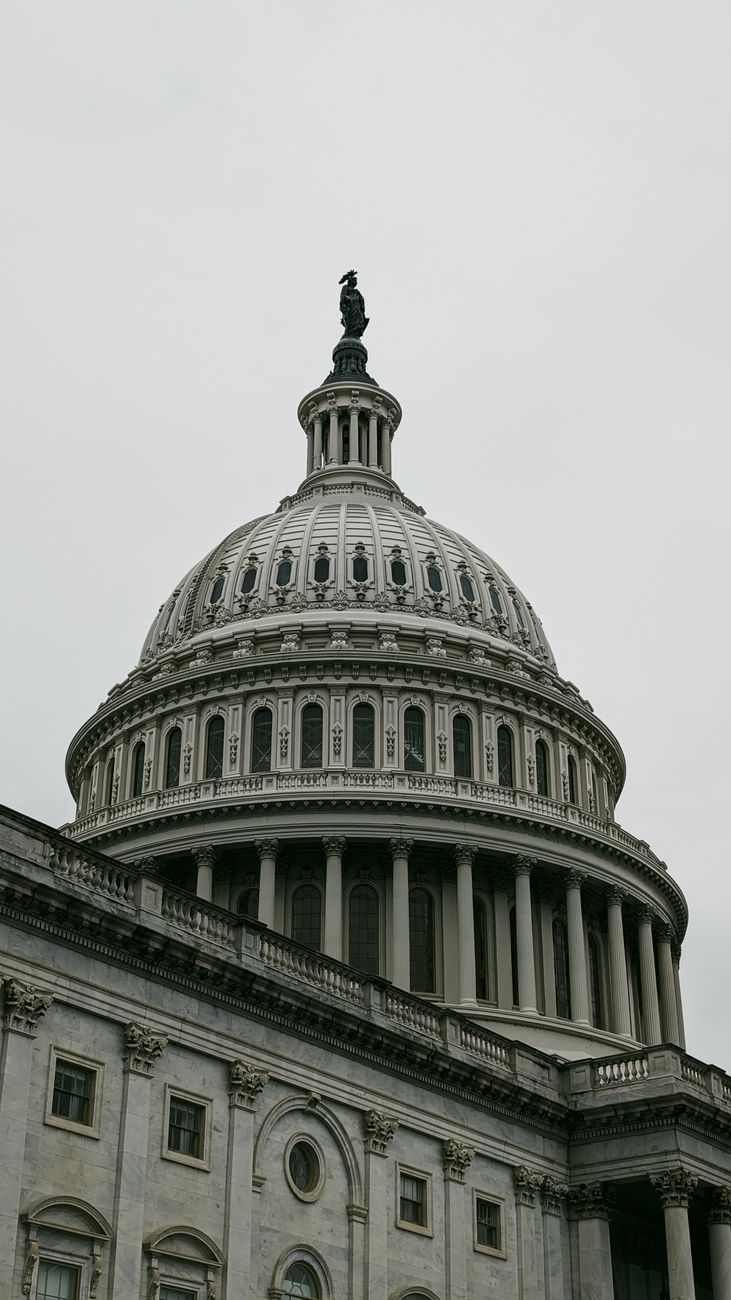
For years, Washington has talked a big game about protecting kids online while doing exactly jack squat. That might be changing. On Monday, the House Energy and Commerce Committee announced a bipartisan deal on social media regulations aimed at children. Details are scarce — committee leaders kept the specifics under wraps — but they promised the legislation would 'hold Big Tech accountable.'
Forgive me if I don't pop the champagne just yet.
We've seen this movie before. Politicians grandstand, cameras flash, and then the lobbyists get to work. The bill gets watered down, delayed, or quietly buried. But this time feels different. Maybe it's the growing pile of evidence that social media is frying teenage brains. Maybe it's the parents who've had enough. Or maybe, just maybe, Congress is finally feeling the heat.
The Fine Print Matters — And We Don't Have It
Committee Chair Cathy McMorris Rodgers (R-WA) and Ranking Member Frank Pallone (D-NJ) issued a joint statement saying the bill would 'set clear rules of the road for social media platforms to protect children online.' Sounds great. But what does that actually mean?
Will it ban algorithmic recommendation systems that feed kids endless doomscrolls? Will it require age verification — the kind that doesn't also hand over your biometrics to a data broker? Will it give parents actual tools, not just a privacy policy written by lawyers?
The silence is deafening. And it's deliberate. Negotiators know that every detail is a potential landmine. Privacy hawks want strict limits on data collection. Free speech advocates fear overreach. Tech companies are already sharpening their legal teams. The devil isn't just in the details — the devil is the details.
“If this bill ends up being a toothless set of 'best practices' that Big Tech can ignore with a shrug, then it's worse than nothing. It's a lie.”
Why Now? The Political Calculus
Let's be cynical for a second. Midterms are looming. Both parties need a win. Kids' online safety is one of those rare issues that polls through the roof with parents across the political spectrum. It's the perfect empty suit — everyone supports it until you have to define what it means.
But there's also genuine pressure. State legislatures aren't waiting. Florida, Texas, and California have all passed their own versions of kids' online safety laws, creating a patchwork nightmare for platforms. A federal standard could actually simplify things — if it's strong enough to preempt weaker state laws.
And let's not forget the lawsuits. School districts are suing Meta and TikTok for harming students. The evidence is piling up in courtrooms, not just in academic journals. That changes the conversation.
What Real Reform Looks Like
If Congress wants to actually do something, here's a cheat sheet. First, ban algorithmic amplification for minors. No more infinite scroll. No more recommendation engines that optimize for outrage. Second, require meaningful parental controls — not the kind that requires a PhD to set up. Third, force platforms to share data with researchers. Sunlight is still the best disinfectant.
And fourth — this is the big one — impose real penalties. Not the slap-on-the-wrist fines that are just the cost of doing business. Something that hurts. A percentage of revenue. Personal liability for executives. Make them feel it.
Will this bill do any of that? Your guess is as good as mine. The committee is keeping its cards close. But if the final text is just a bunch of 'thou shalts' with no enforcement mechanism, then it's performative garbage.
What's at Stake
This isn't about censorship. It's not about banning kids from the internet. It's about designing systems that don't exploit the most vulnerable users. Social media companies have spent billions engineering addiction. They've built Skinner boxes for children. That's not hyperbole — it's the business model.
Studies show that teens who spend more than three hours a day on social media have double the risk of depression and anxiety. Suicide rates among girls have risen sharply alongside Instagram usage. The correlation is strong enough that even the companies admit it — in internal documents, anyway.
So yeah, this bill matters. But only if it has teeth. Only if it actually changes how platforms behave. Otherwise, it's just another press release.
The Bottom Line
I want to believe. I really do. A bipartisan deal in today's clown show of a Congress is practically a miracle. But I've been burned too many times. Show me the text. Show me the votes. Show me the enforcement.
Until then, I'll keep my skepticism warm. And I'll be watching.


