Havana, Friday — The Cuban government just did something that would have been unthinkable a decade ago: it voted to let private investors buy into state-owned enterprises. No more small-time paladares and bed-and-breakfasts. Now they're talking hotels, factories, even ports. This is a revolution, and it's happening not with gunfire, but with legislative handshakes.
The reforms, passed Thursday in a special session of the National Assembly, open up 127 state-run companies to joint ventures with private capital — both foreign and domestic. The list includes tourism, energy, construction, and agriculture. For a country that has treated private enterprise like a contagious disease since 1961, this is a seismic shift.
A Punishing Grip
Why now? Look no further than Washington. The US has tightened its embargo to levels not seen since the Cold War. Under the Trump administration, sanctions were ratcheted up. Biden kept most of them. The result: Cuba's economy is gasping. GDP shrank 11% in 2020, and recovery has been anemic. Tourism, once a lifeline, is still down 60% from pre-pandemic levels.
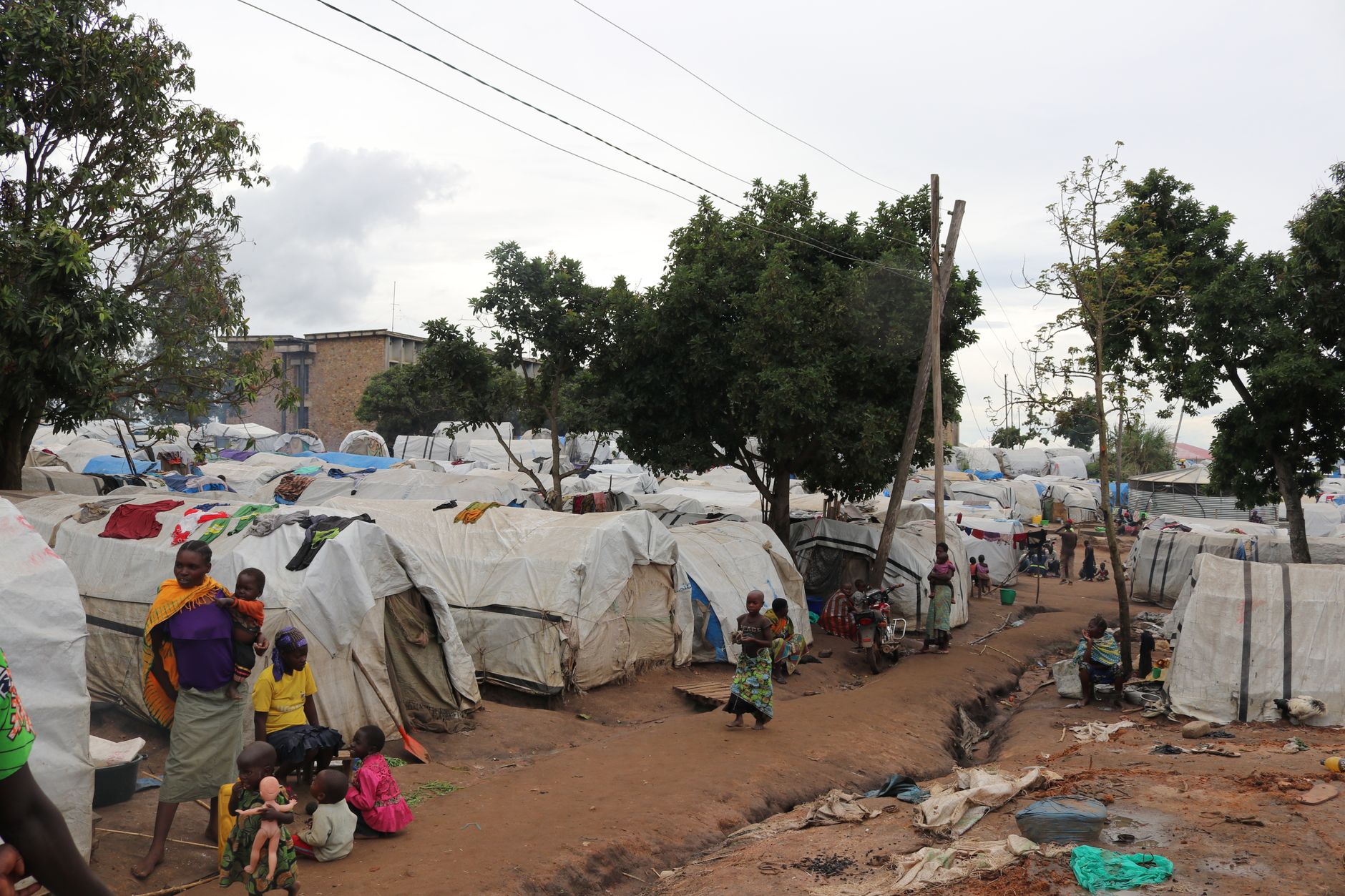
Cubans are hurting. Blackouts are routine. Lines for bread stretch for blocks. The government's response used to be more central planning, more controls. Not anymore. This is a bet that capitalism can save socialism — or at least keep it alive.
Not Your Father's Cuba
The details matter. This isn't a free market free-for-all. The state retains majority ownership in key sectors. But for the first time, a Cuban can own a piece of a hotel chain. Or a solar farm. Or a trucking company. The government is also legalizing small and medium-sized private businesses — up to 100 employees — without the endless permits that have strangled entrepreneurship.
"This is the most significant economic reform since the Special Period," says Dr. Maria Lopez, an economist at the University of Havana, referring to the 1990s crisis after the Soviet collapse. "But it's also a gamble. The government is betting that opening up will bring investment without losing control."
The Miami Factor
"Cuba is not North Korea. It can't survive alone. These reforms are a recognition of reality."
That reality includes 2 million exiles in the US, many of whom now have the chance to invest in their homeland. The reforms explicitly allow Cubans living abroad to participate. That's a huge deal. Remittances alone are estimated at $3 billion a year. Imagine if some of that becomes direct investment.
But there's a catch: the US embargo still prohibits American companies from doing business with Cuba. So while Cuban-Americans can invest, US corporations cannot. That limits the pool. European and Canadian firms are watching, but they're cautious. The legal framework is new, and Cuba's track record on contracts is shaky.
Socialism or Survival?
Critics on the island call it a sellout. "They're privatizing the revolution," grumbles a retired teacher in Havana who asked not to be named. "My father fought for this country. Now they're selling it to the highest bidder."
Supporters say it's the only way. "We've been in a coma," says a young entrepreneur who runs a small tech repair shop. "This is CPR."
The Communist Party is trying to have it both ways. The reforms come with a hefty tax regime — corporate rates up to 35% — and strict labor laws that make it hard to fire workers. The government calls it "socialist entrepreneurship." Whatever you call it, it's a tightrope walk between efficiency and equality.
What Happens Next
Implementation is the killer. Cuba's bureaucracy is legendary. Getting a license to open a restaurant can take two years. The reforms promise a one-stop shop for business registration. We'll believe it when we see it.
There's also the question of corruption. When the state controls everything, bribes are the grease. Open up, and you might just legitimize the skimming. The government says it's creating an anti-corruption commission. Sure.
And then there's the elephant in the room: the US election. If a Republican wins in November, expect more sanctions. If a Democrat, maybe a thaw. Cuba is betting that economic reality will trump politics. But when has it ever?
For now, Havana is rolling the dice. The reforms are bold, maybe desperate. They could attract billions in investment. Or they could unleash inequality and social unrest. One thing's for sure: the old model is dead. What replaces it is anyone's guess. But for the first time in decades, Cubans have a reason to hope — and a reason to worry.