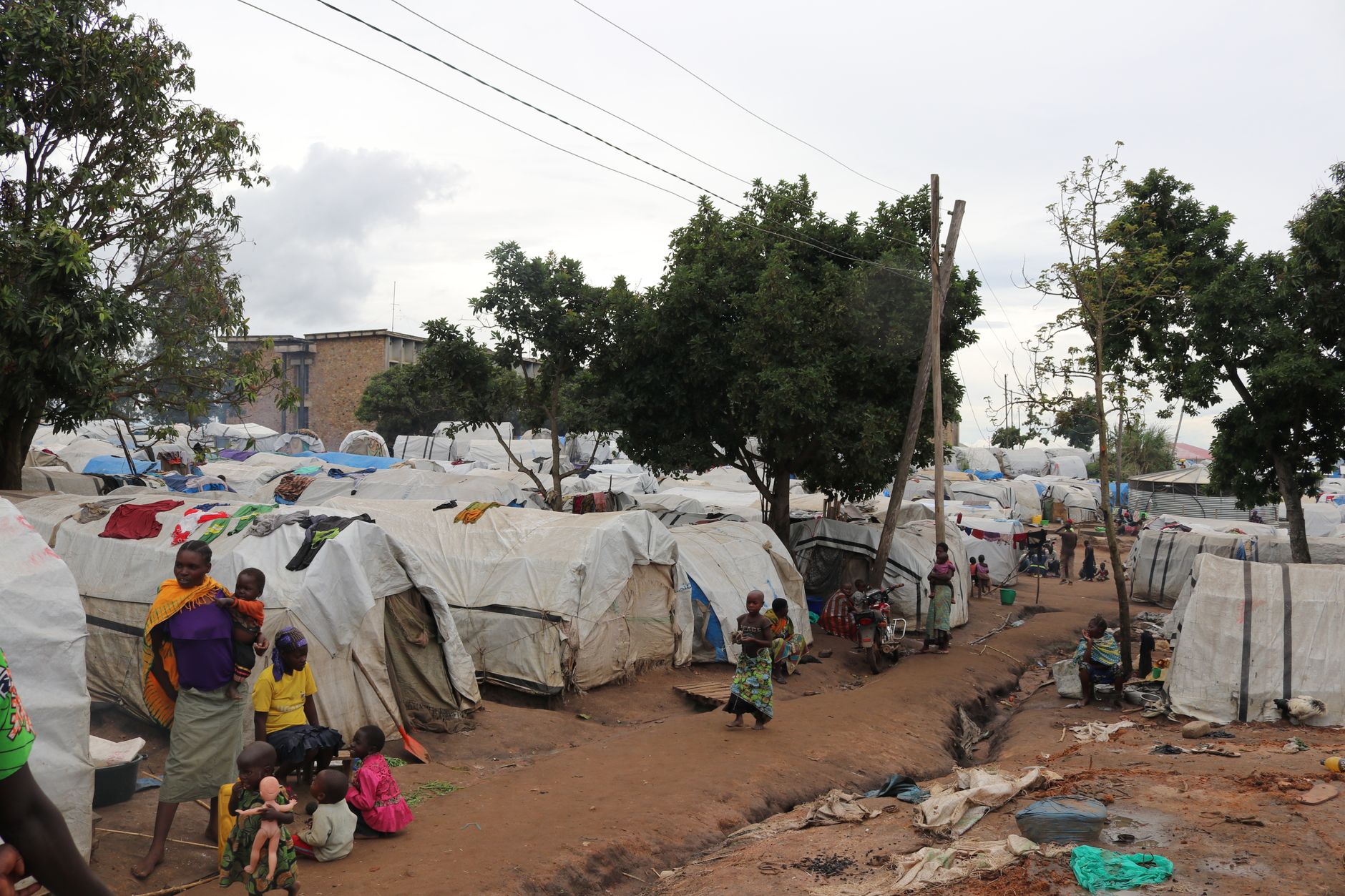
It’s 8 p.m. in Havana, and the city is dark. Not the romantic, pre-revolutionary dark of old photographs — the dark of a grid that’s been failing for years. Millions of Cubans have learned to live without electricity for hours, sometimes days, at a stretch. They cook over charcoal. They read by candlelight. They wait.
The Grid Is Dying — and Nobody’s Fixing It
Cuba’s electrical system is a Frankenstein of Soviet-era generators, creaky oil plants, and patchwork repairs. The government blames the US embargo. Critics blame mismanagement. Both are right, but neither changes the fact that blackouts are now a daily ritual. In 2025, the average Cuban household experienced 12 hours of unscheduled power cuts per week. That’s not an inconvenience — that’s a crisis.
“When the lights go out, the whole country stops. No water pumps, no refrigerators, no phones. You learn to adapt or you leave.” — Havana resident, 47
Solar Panels: A Glimmer or a Mirage?
Enter the solar panel. Over the past two years, Cuba has rolled out thousands of photovoltaic systems, mostly in rural clinics and state-run facilities. The government touts it as a green revolution. But walk into any hardware store in Havana, and you’ll see the real story: Chinese-made solar panels stacked next to charcoal stoves. The price for a basic home setup? $1,200 — about two years’ salary for the average Cuban. So who’s buying them? Foreigners, aid organizations, and the small minority with dollars remitted from Miami. For everyone else, it’s still charcoal.
The Charcoal Economy: Survival, Not Choice
Charcoal is the quiet backbone of Cuba’s energy reality. On any given day, thousands of Cubans fan out into the forests, cutting trees, burning them in makeshift kilns, and hauling the bags to market. It’s illegal in theory, tolerated in practice. The environmental cost is real — deforestation is accelerating — but so is the human cost of doing nothing. When the grid fails, charcoal doesn’t.
This isn’t a quaint tradition. It’s a survival economy born from failure. The government knows it, the people know it, and the solar panels aren’t changing that.
Why Solar Won’t Save Cuba (Yet)
The solar push is real, but it’s tiny. Cuba aims for 25% renewable energy by 2030 — an ambitious target for a country that currently gets less than 5% from solar. The bottlenecks are brutal: lack of foreign investment, US sanctions that complicate parts imports, and a grid so fragile it can’t handle the intermittent nature of solar without massive battery storage, which costs even more.
Meanwhile, the blackouts keep coming. Last month, a breakdown at the Antonio Guiteras power plant plunged 10 million people into darkness for 36 hours. The government called it “maintenance.” Cubans called it Tuesday.
The Verdict: A Nation Stuck in the Gap
Cuba is trapped between a past it can’t escape and a future it can’t afford. The solar panels are a symbol of hope, but hope doesn’t keep the lights on. Charcoal does. Until the government finds a way to bridge that gap — with real investment, real policy change, and a real admission that the current model is broken — Cubans will keep cooking over open flames, waiting for a grid that may never come back to life.
The question isn’t whether solar works. It’s whether Cuba can survive long enough to see it.