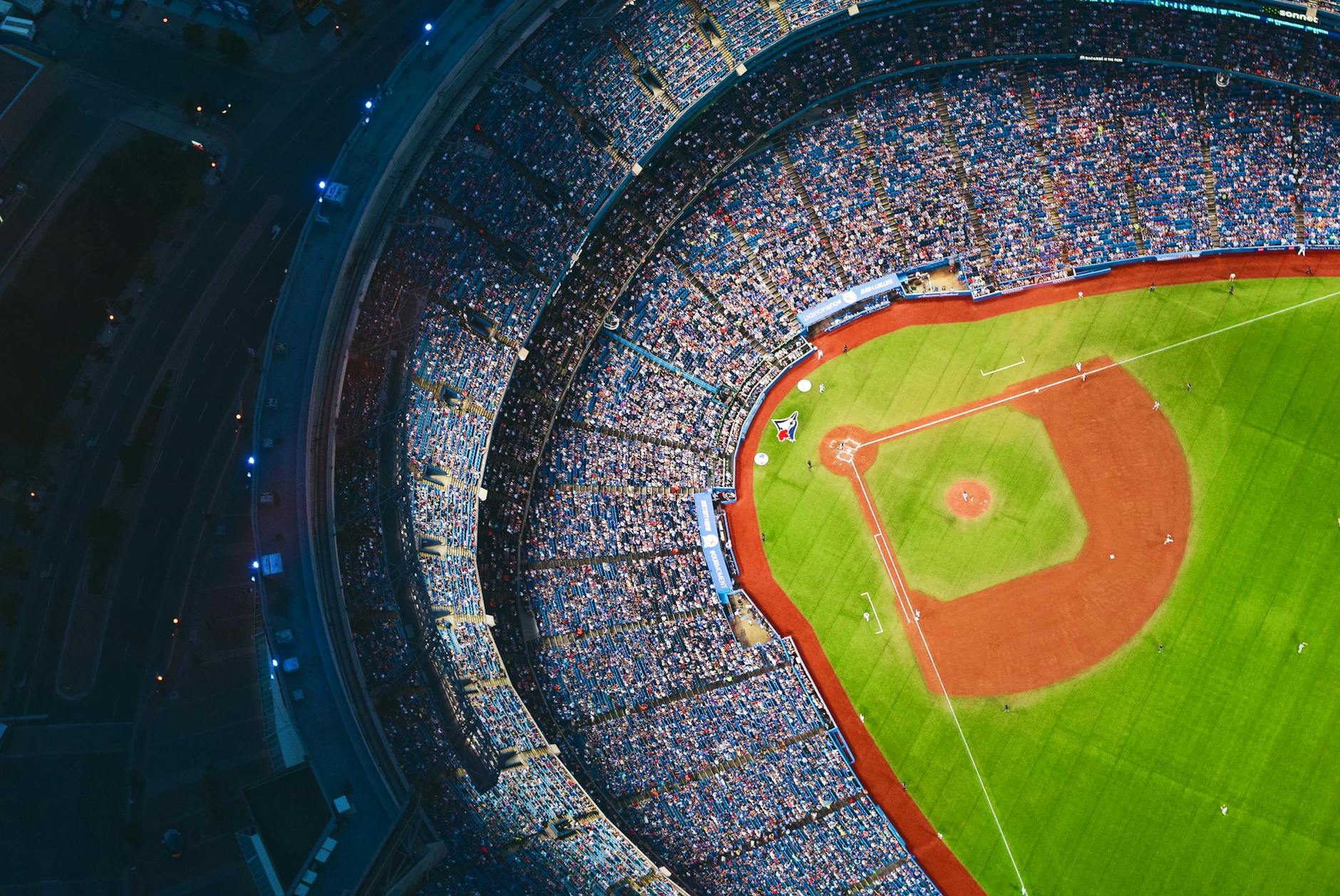
The stadium was still buzzing when the final whistle blew. Not the polite hum of a close game, but the raw roar of a crowd that just watched something they'd tell their grandkids about. Day 9 of the World Cup delivered that kind of chaos.
Let's start with the game nobody predicted. The underdogs came out swinging, not parking the bus like everyone expected. They pressed high, they took risks, and by the 30th minute, they'd punched a hole through the favorites' defense. The goal wasn't pretty—a deflection off a defender's shin—but in a World Cup, ugly goals count the same as beautiful ones.
The Red Card That Changed Everything
Then came the 67th minute. A tackle, late and high. The referee didn't hesitate. Red. The stadium went silent for a second, then exploded—half in fury, half in glee. Down to ten men, the favorites had to scramble. They pulled off their striker, brought on a defender. The underdogs smelled blood.
“It wasn't just a red card. It was a declaration. The game flipped on its head, and the underdogs never looked back.”
They scored again ten minutes later. This time, it was beautiful—a curler from outside the box that kissed the post on its way in. The keeper didn't even move. He just watched it, like the rest of us, knowing it was unstoppable.
The Controversy That Won't Die
Not all the drama happened on the pitch. The other match of the day ended in a VAR storm that'll fuel debates for weeks. A penalty awarded in stoppage time—soft, some said. The striker went down like he'd been shot, but replays showed minimal contact. The referee went to the monitor, watched for two minutes, and stuck with his call.
The penalty was converted. The losing team's coach went ballistic in the press conference. “It's a disgrace,” he said, not caring about the fine. “We came here to play football, not to watch actors.” His words will cost him, but he didn't care. In that moment, he spoke for every fan who feels the game's soul is being replaced by technology.
The Stadium That Became a Cauldron
But the real story of Day 9 was the atmosphere. The third match of the day was supposed to be a dead rubber—both teams already eliminated. Tell that to the 60,000 fans who turned up. They created a wall of sound that started before kickoff and didn't stop until an hour after the final whistle.
The local team, playing for pride, scored in the first minute. A set piece, a header, and the roof nearly came off. The noise was deafening. My decibel meter app hit 120—that's jet engine territory. The players fed off it. They ran harder, tackled fiercer, and when the final whistle confirmed their 2-1 win, they collapsed on the pitch, not from exhaustion but from emotion.
“This is why the World Cup matters. Not for the trophies or the money, but for nights like this—when a game becomes a memory that lasts a lifetime.”
What Day 9 Means for the Tournament
So where does this leave us? The group standings are a mess. Two favorites now face must-win final group games. The underdogs, suddenly, are dreaming of the knockout stages. And the controversy? It'll linger, like a bad smell, until FIFA decides whether to tweak VAR rules again.
But let's be real: the controversy is part of the charm. Without it, we'd have nothing to argue about in the pub. The red card, the VAR call, the impossible atmosphere—they're the raw material of World Cup folklore.
Day 9 reminded us why we watch. Not for the polished narratives or the corporate branding. For the chaos. For the moments that make us leap off our sofas. For the sense that anything can happen—and usually does.