The handcuffs were the first surprise. For two decades, Daniel Kinahan had moved through the world like a ghost in a tailored suit—always a step ahead, always a blur in surveillance photos, always the name whispered in boardrooms and back alleys but never shouted in a courtroom. So when he shuffled into Dublin's Criminal Courts of Justice on Monday, the metal around his wrists seemed almost theatrical.
He looked older than his 49 years. The beard was grayer. The eyes—once described by a former associate as "cold enough to freeze a pint"—darted nervously at the cameras. A garda officer guided him by the elbow, not roughly, but firmly, as if reminding him that Dubai's golden hospitality had expired.
The extradition had taken fourteen months. Fourteen months of diplomatic cables, legal wrangling, and quiet pressure from Irish authorities who refused to let the case go cold. When the UAE finally signed off, the news hit Dublin's underworld like a thunderclap. "The untouchable man just got touched," one detective told me, a grin creeping across his face despite the gravity of the moment.
The Man Who Ran the Show from a Beach
You have to understand who Daniel Kinahan was to appreciate what Monday meant. Not just a drug trafficker—though he was that, allegedly, on a scale that moved billions. Not just a gun-runner—though his name surfaced in arms deals from Libya to Latin America. He was the architect of a transnational criminal corporation, a CEO of chaos whose board meetings happened over sushi in Dubai's Palm Jumeirah.
His specialty was boxing promotion. Or, more precisely, using boxing as a laundering machine. Fight nights in Dublin and London became cash waterfalls, each ticket and broadcast right obscuring the rivers of drug money beneath. "He'd sit ringside, smiling, shaking hands with politicians," a former garda intelligence officer recalled. "And everyone knew. Everyone. But no one could prove it."
The charges now facing him read like a greatest hits of organized crime: directing a criminal organization, conspiring to murder rivals, orchestrating the 2016 Regency Hotel shooting that left a bystander dead and a boxing weigh-in in chaos. That attack, carried out by men in tactical gear and Halloween masks, was his signature—bold, bloody, and broadcast live on sports channels.
Dubai's Reckoning
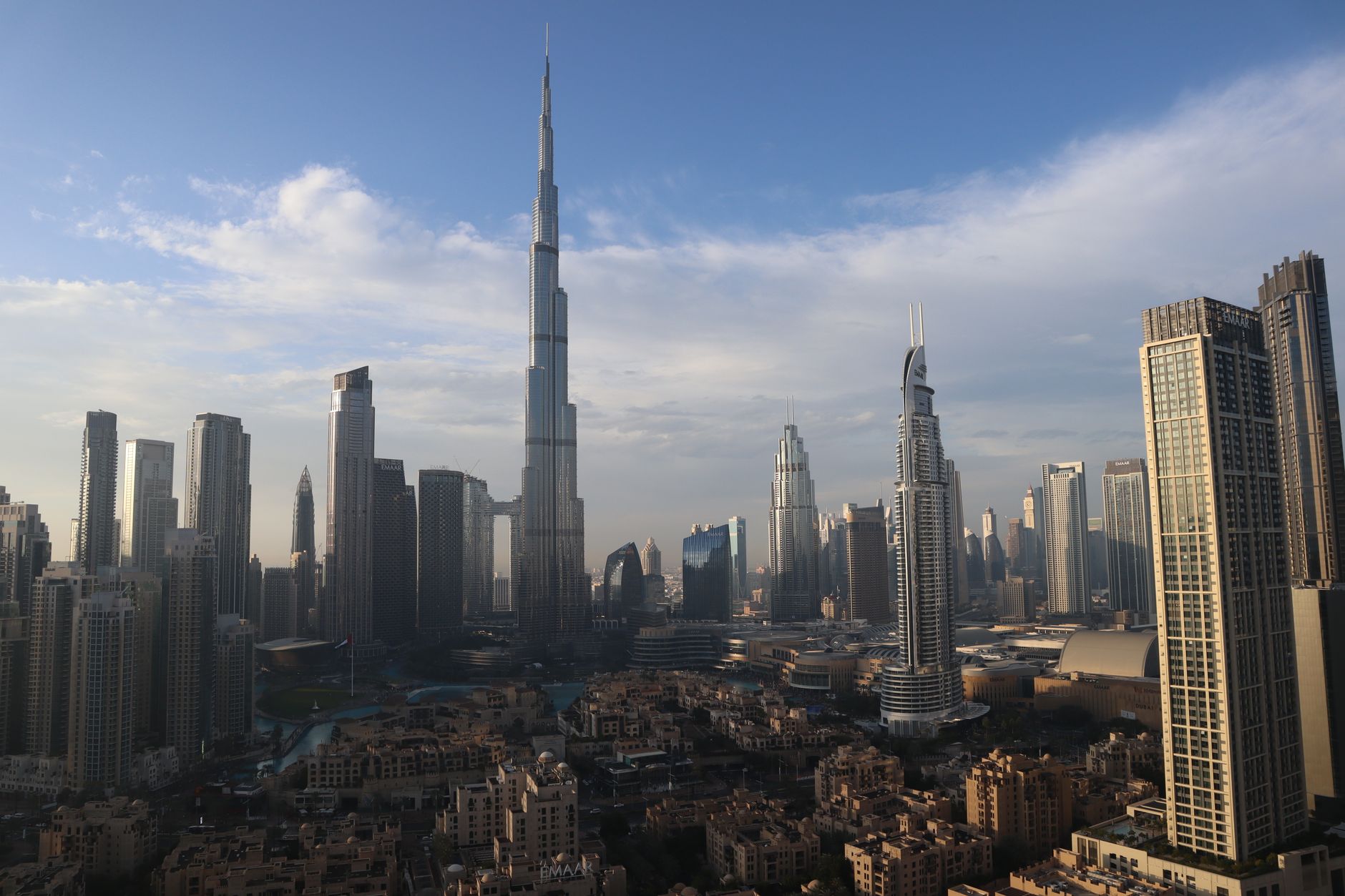
For years, Dubai was the perfect hideout. No extradition treaty with Ireland. A financial system that welcomed suitcase cash. Luxury high-rises where neighbors minded their own business as a matter of survival. Kinahan built a life there—a villa with a private beach, a stable of thoroughbred horses, a social circle that included celebrities and sheikhs.
But the world changed. International pressure on the UAE intensified after reports of Russian oligarchs parking fortunes in Dubai's real estate. The Financial Action Task Force placed the country on its grey list for money laundering deficiencies. Suddenly, harboring a notorious crime boss was a liability, not a perk.
"They didn't extradite him because they cared about Irish justice. They extradited him because they needed to clean up their image." — a former UK intelligence analyst
The Irish government's persistence mattered, too. Then-Taoiseach made it a personal mission, raising Kinahan's case in every bilateral meeting with Emirati officials. Quiet diplomacy, but relentless. It worked.
A Legal Marathon Begins
Monday's court appearance was brief—just enough time for the charges to be read and a remand order issued. The real fight starts now. Kinahan's legal team, reportedly one of Dublin's most expensive, will argue the evidence is tainted, the extradition politically motivated, and the charges a smear by rival gangs.
Prosecutors will rely on wiretaps from an encrypted messaging service that was cracked in 2020—a goldmine of incriminating conversations. There's also testimony from former associates turned state witnesses, men who once called him "the boss" and now call him "the defendant."
Legal experts expect the trial to stretch for months, perhaps years. "This is not a case that will be resolved quickly," said barrister Fiona O'Donnell, who has followed the proceedings. "The defense will exhaust every avenue. But the evidence is substantial. For the first time, Kinahan is not in control."
The Ghosts of a Violent Era
The Kinahan-Hutch feud, which this case is tangled in, has claimed at least 18 lives since 2015. Families in Dublin's north inner city still light candles for sons and brothers gunned down in drive-bys. The Regency Hotel shooting, where Kinahan's men stormed a boxing weigh-in to kill a Hutch associate, left a chilling message: no venue was safe, no event too public.
For the victims' families, Monday was a bittersweet moment. "I never thought I'd see the day," said Margaret O'Connor, whose nephew was killed in 2017. "But it doesn't bring him back. It just stops the killer from walking free. That's something, I suppose."
The trial will likely revisit that bloodshed in graphic detail. It will also expose how a man can run a global crime network from a beachside café, using lawyers and accountants as shields, while European police forces looked on, frustrated and outmaneuvered.
A Turning Point—Or a Blip?
Some observers worry that Kinahan's arrest is a symbolic victory, not a structural one. His organization is decentralized; lieutenants can step up. The infrastructure—the shell companies, the corrupt enablers, the laundering networks—remains intact. "You cut off the head, but the Hydra grows another," said a criminologist at Trinity College Dublin.
Others counter that conviction would send a powerful signal. It would show that no haven is safe, that money can't buy immunity forever. It might even deter other crime bosses from setting up shop in the Gulf.
What's certain is that Daniel Kinahan's world has contracted to a prison cell. The man who once owned the skyline now owns a mattress and a toilet. The man who orchestrated hits from a safe distance now faces the possibility of a life sentence in a country he left behind.
As he was led away, he glanced back at the public gallery. For a second, it seemed he was looking for a familiar face—an old ally, a fixer, someone to signal hope. There was no one. Just reporters scribbling notes and a family of a victim staring back with unreadable eyes.
The trial will be long. The details will be ugly. But for now, Dublin has its man. And that's more than most ever expected.