Seventy healthcare workers. Infected. While the world looks the other way.
The Ebola outbreak in the Democratic Republic of the Congo isn't just spreading. It's accelerating. Aid cuts, crumbling sanitation, and a government that's either overwhelmed or indifferent have turned this into a public health catastrophe. And nobody seems to care.
As of this week, more than 70 medical staff have tested positive for the virus. That's not a typo. That's a collapse of the very system meant to stop this thing.
The Numbers Tell a Brutal Story
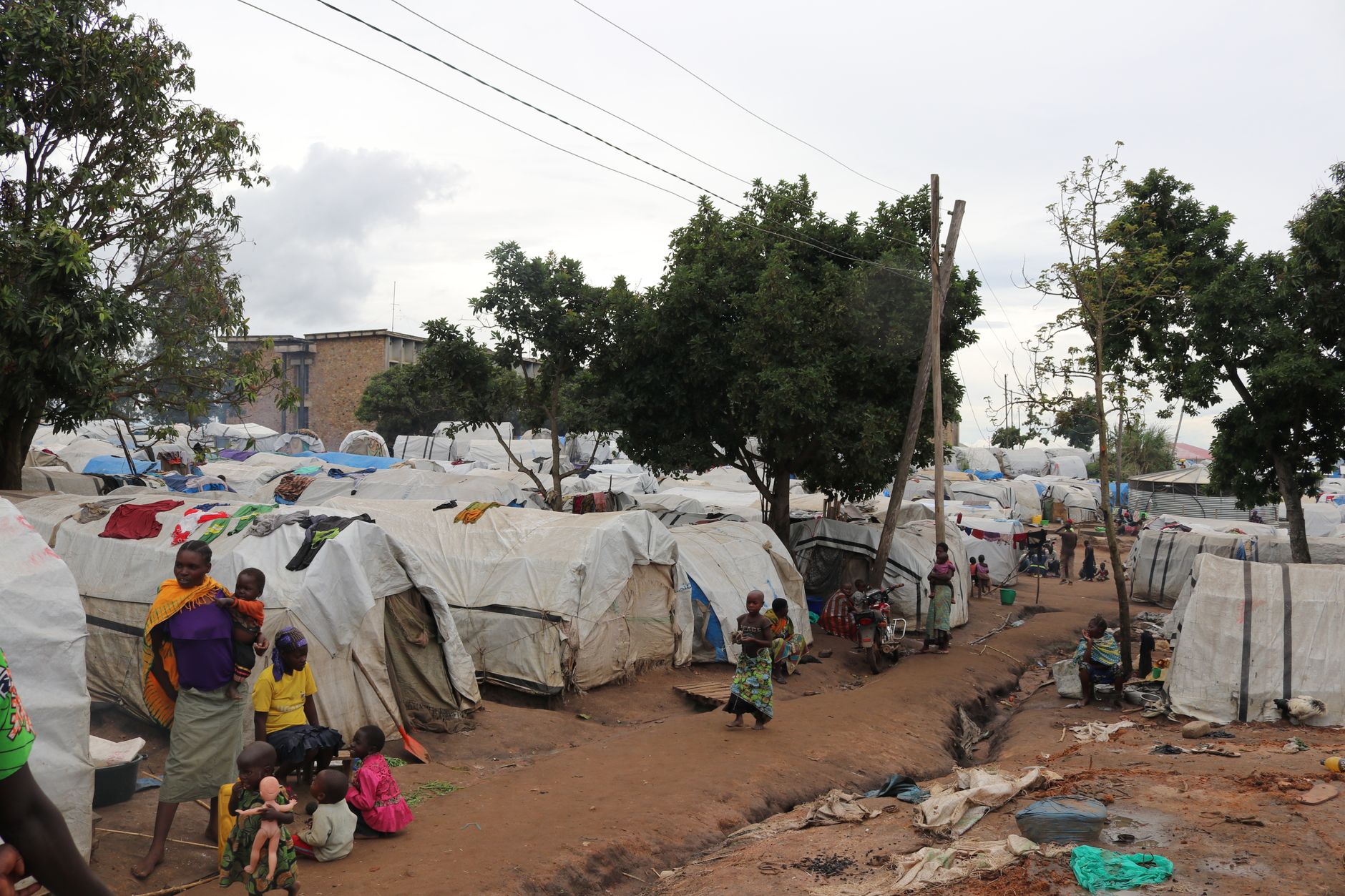
The World Health Organization reports over 1,200 confirmed cases since the outbreak was declared in March. By June, the weekly case count has tripled. The epicenter? Displacement camps in North Kivu, where people live elbow-to-elbow with no clean water, no soap, and absolutely no escape.
Ebola kills about 50% of those infected. In camps, with malnutrition and other diseases rampant, that number climbs higher. Children under five account for nearly a third of new cases. They die faster. It's brutal, and it's predictable.
“We have never seen health workers getting infected at this rate. It means the outbreak is out of control.” – Dr. Aline Mukashyaka, Médecins Sans Frontières
Aid Cuts: The Self-Inflicted Wound
Here's the part that should make you angry. The World Food Programme cut rations in DRC by 50% earlier this year. Funding shortfalls. Donor fatigue. The usual excuses. When you cut food aid, you force hungry people to crowd into markets, to beg, to move. That's a gift to a virus that spreads through bodily fluids.
The United States, historically the largest donor to global health, has slashed its contributions. The UK, once a leader in outbreak response, has turned inward. The European Union talks a good game but the checks are smaller every year. We're watching an outbreak grow because we're too cheap to stop it.
Sanitation? What Sanitation?
In the camps around Goma, latrines overflow. Water trucks come irregularly. Handwashing stations? A luxury. The government's response has been hamstrung by corruption and incompetence. Local health workers haven't been paid in months. Some have quit. Others have joined the ranks of the infected.
The DRC Ministry of Health claims it's ramping up vaccination campaigns. But vaccines require cold chains, fuel, and roads that may not exist. And they require trust. After decades of conflict and exploitation, many Congolese don't trust the government or foreign aid workers. Who can blame them?
History Repeating Itself
We've been here before. In 2018, an Ebola outbreak in the same region killed over 2,200 people. The response then was massive: billions of dollars, thousands of workers, a massive military-style operation. It worked — barely. This time, the money isn't there. The political will evaporated.
The World Bank's Pandemic Fund — created after COVID-19 to prevent exactly this scenario — has disbursed almost nothing to DRC. Bureaucracy. Red tape. Meanwhile, Ebola doesn't wait for paperwork.
This Could Go Global
Let's be clear: Ebola in a displacement camp isn't a local problem. People move. They cross borders. They reach cities. Congo's neighbors — Rwanda, Uganda, Burundi — have porous borders and weak health systems. An infected person boards a bus to Kigali, and suddenly we have a regional crisis.
The WHO has not declared a Public Health Emergency of International Concern. Yet. But the criteria are met: unusual events, risk of international spread, and a need for coordinated action. The hesitation reeks of politics. No country wants to be the one that flags an emergency, because that brings travel bans and economic fallout. So we wait. And wait.
What Needs to Happen
First: Restore and increase food aid. Hungry people are sick people. Feed them, and you reduce the pressure that spreads the virus.
Second: Pay health workers. On time. Every month. They are the front line. If they quit or die, we lose.
Third: Deploy vaccines aggressively. Ring vaccination worked in 2018. It can work now. But it requires community engagement, not just logistics. Listen to people. Address their fears.
Fourth: Declare the emergency now. Stop waiting for the perfect moment. The perfect moment passed when the 70th health worker fell ill.
Fifth: Sanitation. Clean water. Soap. Latrines. This is not rocket science. It's basic public health. But it costs money that donors no longer want to spend.
This outbreak is a test. Not of our medical capabilities — we know how to stop Ebola. It's a test of our humanity. So far, we're failing.