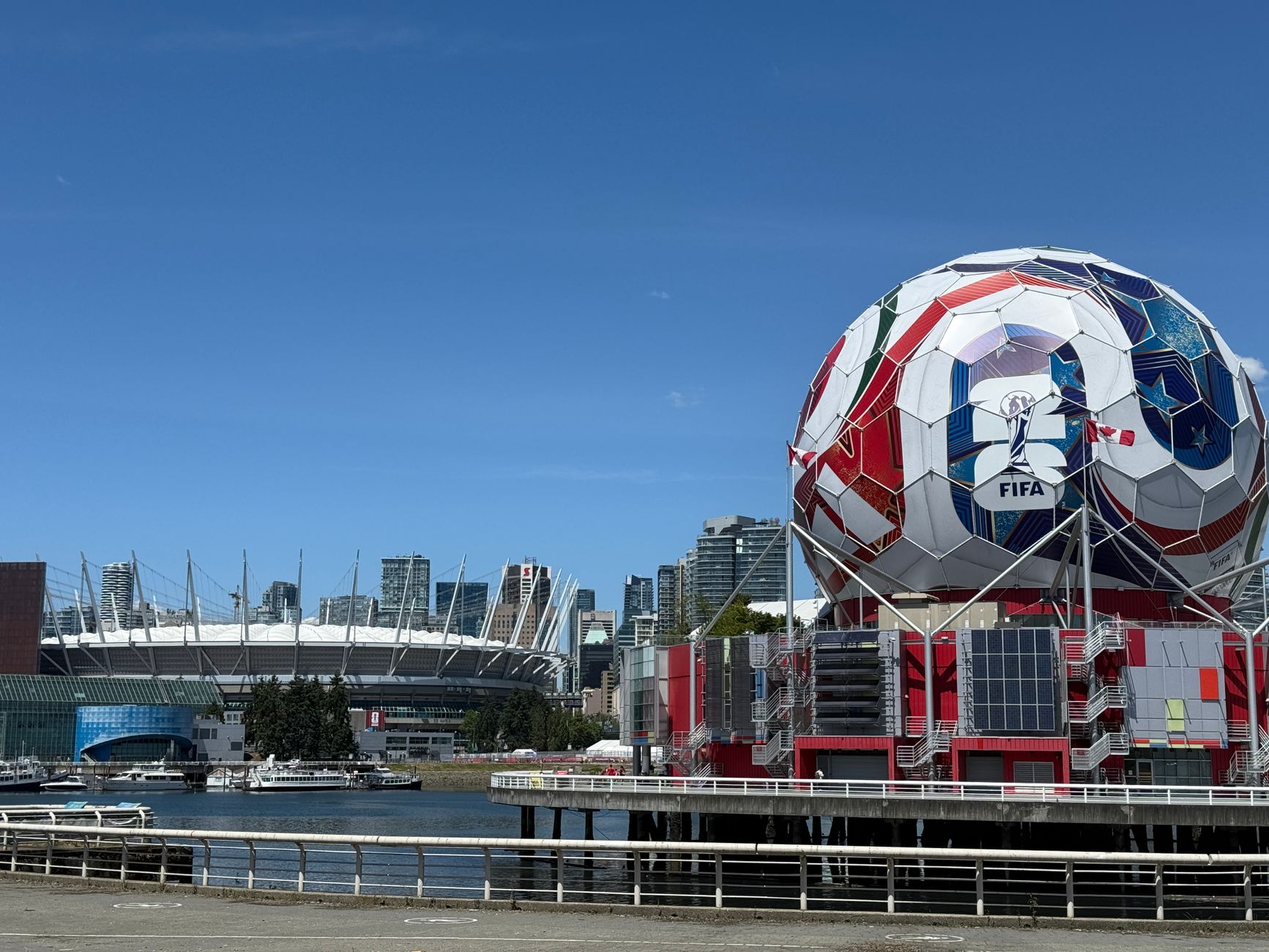
The scene is familiar by now. A camera pans the stadium, and for a split second, you catch it—a logo that shouldn't be there. A brand that FIFA banned. A sponsor that paid nothing but got everything.
This is the World Cup of unintended consequences. FIFA tried to lock down its commercial airspace. Instead, it created a black market of attention that’s become the tournament’s most talked-about subplot.
The Ban That Backfired
Let’s be clear about what happened. FIFA, in its infinite wisdom, decided to crack down on “ambush marketing”—brands that try to associate themselves with the World Cup without paying the licensing fees. The logic was sound: protect the official sponsors who cough up hundreds of millions. The execution? A masterclass in how to make people look at what you told them to ignore.
Take the Dutch brewery that shall remain nameless but rhymes with “Brewdog.” They launched a campaign called “The Unofficial Beer of the World Cup.” No logo. No official ties. Just a cheeky slogan and a social media push that got more engagement than any official sponsor’s ad. FIFA’s lawyers sent cease-and-desist letters. The internet loved it.
“FIFA tried to lock down its commercial airspace. Instead, it created a black market of attention.”
The Psychology of Prohibition
This isn’t complicated. Tell people they can’t have something, and they want it more. It’s the Streisand Effect on steroids. When FIFA bans something, it’s like putting a neon sign on it that says “Look here.”
Consider the energy drink company that sponsored a fan march—completely unofficial, completely unlicensed, completely brilliant. FIFA couldn’t stop it. They tried to get the local authorities involved, but the march was on public streets. The brand got more coverage in one afternoon than if they’d paid $50 million for official status.
The math is brutal for FIFA. Official sponsors pay top dollar for exclusivity. But if unofficial brands can get similar visibility for a fraction of the cost, what’s the point? The whole system depends on scarcity. FIFA just proved that scarcity is a myth.
Where FIFA Went Wrong
FIFA’s mistake was treating the symptom instead of the disease. Ambush marketing exists because official sponsorship is overpriced and under-delivers. The real story isn’t the brands that snuck in—it’s the ones that paid full freight and got nothing.
I talked to a marketing executive from one of the official sponsors. Off the record, of course. He told me, “We paid $200 million for the right to be ignored.” His frustration was palpable. FIFA’s rules are so restrictive that official sponsors can barely say anything interesting. Meanwhile, the renegades get to be funny, edgy, and viral.
The irony is that FIFA’s own rules are designed to protect sponsors, but they’ve created a system where sponsors can’t compete with the banned brands. The banned brands don’t have to follow the rules. They can be irreverent. They can be fast. They can be where the fans are, not where FIFA tells them to be.
The Fans Win
Here’s the part FIFA misses: fans don’t care about licensing fees. They care about what’s authentic. When a brand sponsors a fan march, it feels real. When a brand puts up a banner in the stadium, it feels corporate.
The most viral moment of the tournament so far wasn’t a goal. It was a fan holding up a sign with a logo that FIFA had banned. The sign got confiscated. The photo got shared a million times. FIFA can take the sign, but they can’t take the memory.
This is the new reality. In the age of social media, every fan is a broadcaster. Every ban is a challenge. Every cease-and-desist is an invitation to share. FIFA tried to control the narrative and lost control of the story.
What Comes Next
So what does FIFA do? Double down? That would be the classic play—more lawyers, more threats, more letters. But that’s exactly what will make the problem worse.
The smarter move would be to loosen up. Let brands be creative. Let fans participate. The World Cup is the world’s biggest party, and parties don’t need a corporate parent. They need a vibe. FIFA’s job should be to protect the vibe, not the logo.
But let’s be honest. This is FIFA we’re talking about. They’ll probably hire more lawyers and ban more signs. And the brands will keep winning.
The lesson is simple: you can’t control culture. You can’t police attention. And when you try, you just make the thing you fear even more powerful. Ask any teenager. Ask any marketer. Ask the Dutch brewery.
See you at the unofficial fan zone. I’ll be drinking the banned beer.