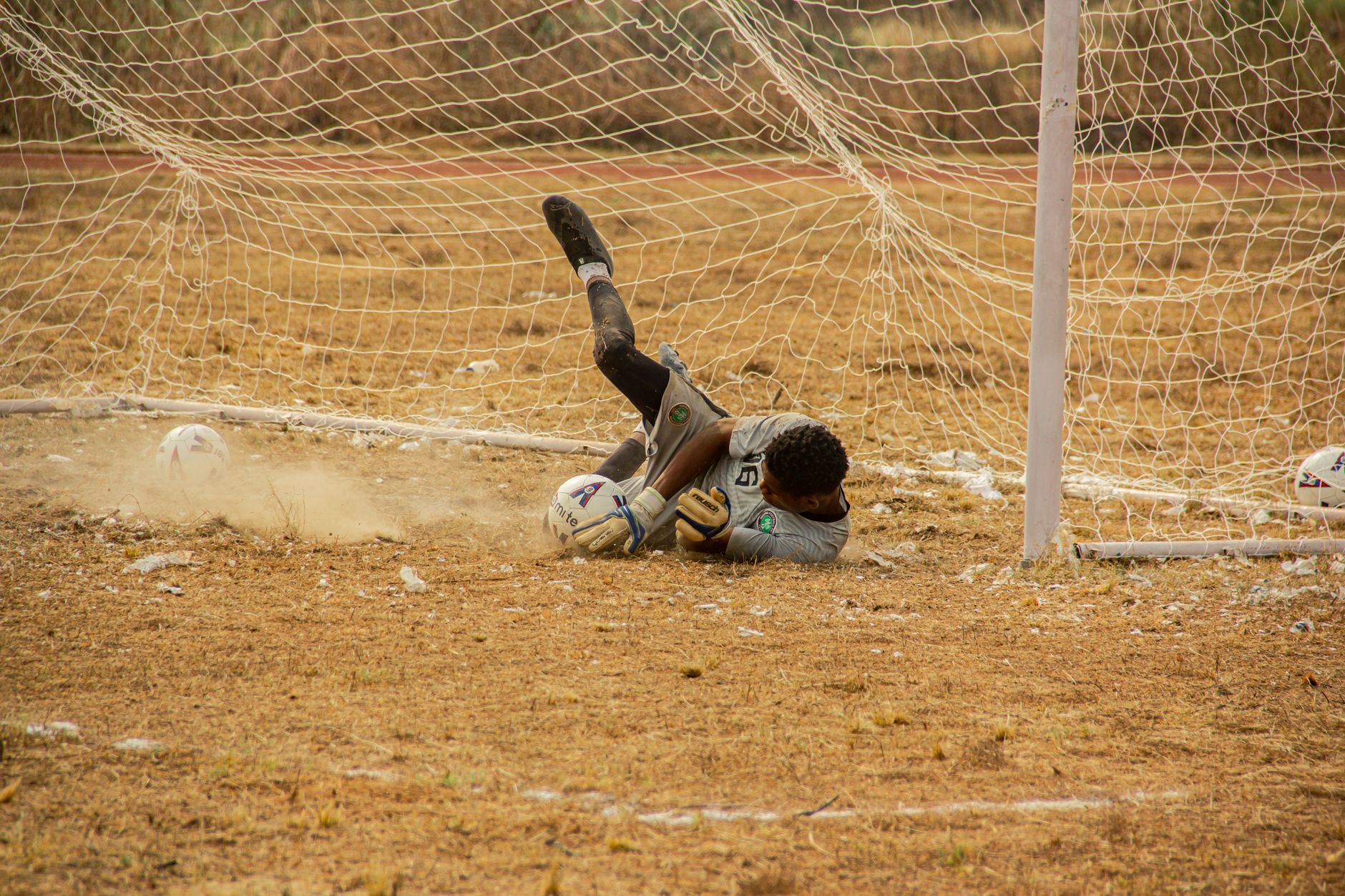
He saved goals for a living. Couldn't save his own life.
Saleem Al-Ashqar, 23, a goalkeeper for the Palestinian national team, was shot dead by Israeli forces in Gaza on Tuesday. Witnesses say he was standing near the goalposts at a training ground when a sniper's bullet tore through his chest. No warning. No reason. Just death from a distance.
This is not a stray bullet. This is a pattern.
The killing field
Gaza has become a kill zone. Not just for militants — for everyone. Footballers. Medics. Children. In April, Israeli forces killed 13-year-old Ahmed Matar while he played near his home. Last month, they shot paramedic Rami Al-Astal as he tried to reach a wounded man. The UN says over 200 Palestinian civilians have been killed since the ceasefire collapsed in March. But who's counting? The world has moved on.
“They treat us like targets, not people. Saleem wasn't a fighter. He was a goalkeeper. He saved goals, not lives. But they killed him anyway.” — teammate Ahmed Baraka
Israel claims it's targeting Hamas operatives. But the evidence tells a different story. In Saleem's case, no Hamas commander was nearby. No rocket launcher. Just a football pitch and a young man who dreamed of playing in the World Cup.
The world looks away
Where is the outrage? The Palestinian Football Association has called for an international investigation. FIFA? Silence. The International Olympic Committee? Nothing. Western governments? A few boilerplate statements calling for "restraint." Restraint? Is that what we call it when a sniper picks off a 23-year-old in broad daylight?
The double standard is staggering. When a Ukrainian athlete is killed, the world holds vigils. When a Palestinian footballer dies, it's a footnote. The White House issued a statement: "We are aware of reports of the death of a Palestinian footballer and urge all parties to de-escalate." De-escalate? How do you de-escalate a bullet?
The human cost
Saleem Al-Ashqar wasn't a statistic. He was a son, a brother, a teammate. He had a girlfriend. He loved Manchester City. He practiced penalty saves in the street with a worn-out ball. His father, Yasser, told reporters through tears: "He just wanted to play football. Is that a crime?"
No, Mr. Al-Ashqar, it's not a crime. But in Gaza, being alive is enough to get you killed.
His teammates refuse to play. The Palestinian league has suspended all matches indefinitely. "How can we train on the same pitch where our friend was murdered?" asks Baraka. They demand accountability. They'll get nothing.
The bigger picture
This is not an isolated incident. It's the logical endpoint of a system that dehumanizes Palestinians. When you label an entire population as "terrorists," their deaths become acceptable. When the media bury the story, it becomes invisible. When the international community does nothing, it becomes the new normal.
Saleem's death is a symptom of a larger disease — a 70-year occupation, a blockade that has turned Gaza into an open-air prison, and a military that operates with impunity. The International Criminal Court is investigating. But investigations take years. Meanwhile, more footballers will die.
The Israeli military says it's "looking into the incident." Translation: nothing will happen. No officer will be reprimanded. No policy will change. The next sniper will pull the trigger again.
What now?
We can mourn Saleem. We can share his story. We can demand justice. But let's be clear: justice will not come from the same powers that enable Israel's violence. It won't come from FIFA or the UN. It has to come from us — from citizens who refuse to look away, from journalists who refuse to sanitize war crimes, from athletes who refuse to stay silent.
Saleem Al-Ashqar is dead. The ball will not be kicked again in his honor. The only fitting tribute is to make sure his killers are held accountable.
Or we can just move on to the next story. That's what we always do, isn't it?