For the first time in ten years, the number of displaced people worldwide has dropped. That’s the headline from the latest UNHCR data, released on World Refugee Day. The big question: why now?
The numbers are still staggering — 110 million people forced from their homes by conflict, persecution, and disaster. But the trend line finally bent downward. About 8 million people returned to their home regions in 2025, a 40% jump from the year before. That’s not a rounding error. That’s a shift.
The Ceasefire Effect
Peace deals matter. In Ethiopia’s Tigray region, a 2022 ceasefire held, and nearly 1.5 million internally displaced people went home. Syria, still the world’s largest displacement crisis, saw 350,000 refugees return — a small fraction of the 6.8 million total, but the first significant wave since 2011. The Assad regime, desperate for legitimacy, offered amnesties. Jordan and Lebanon squeezed harder. So people weighed the risks and went back.
Colombia’s 2016 peace accord with the FARC kept sputtering along, but security improved enough in some rural areas for 200,000 people to return. Mozambique’s Cabo Delgado, after years of jihadist insurgency, saw a fragile calm — 400,000 people went home.
“Peace is the only sustainable solution to displacement,” said UN High Commissioner for Refugees Filippo Grandi. But peace is rare. Most of these returns happened not because wars ended, but because they paused.
The Host-Country Squeeze
Let’s be blunt: host countries are tired of hosting. Turkey, which had the world’s largest refugee population at 3.6 million Syrians, started deporting Syrians back to “safe zones” in northern Syria. The EU paid Turkey billions to keep people out, then changed the terms. Lebanon, with one refugee for every four citizens, told Syrians they had to register or leave. Many left. Uganda, once a beacon of openness for South Sudanese refugees, tightened border controls.
This isn’t humanitarianism. It’s fatigue. Countries that carried the burden for a decade are now pushing back. And it’s working — at least if “working” means fewer displaced people in the global count. But those who returned to Syria’s shelled cities or northern Nigeria’s bandit country aren’t exactly safe. They’re just not counted as displaced anymore.
The Economic Calculus
War pushes people out. Opportunity pulls them back. In Colombia, the government offered cash grants to returnees. Ethiopia’s government promised rebuilding funds — though delivery is spotty. In Syria, the economy is a wreck, but neighboring countries are worse for refugees. Lack of work permits, legal status, and basic services make returning seem like the lesser evil.
Data backs this up. A 2025 World Bank survey of Syrian refugees in Jordan found that 60% considered returning because of economic hardship in Jordan, not because Syria was safe. The push factors in host countries — no jobs, no education, no future — matter as much as pull factors at home.
The Numbers Game
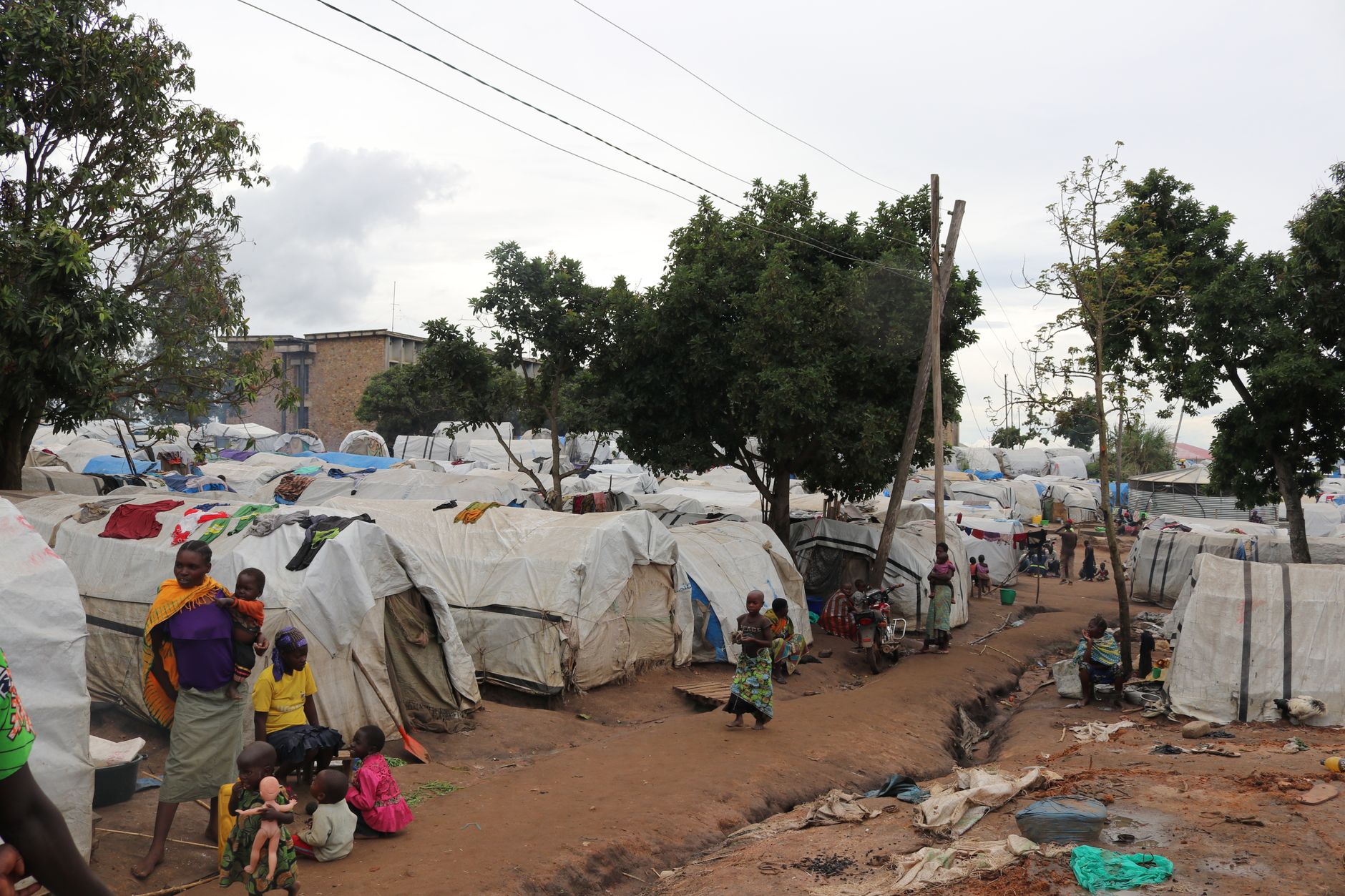
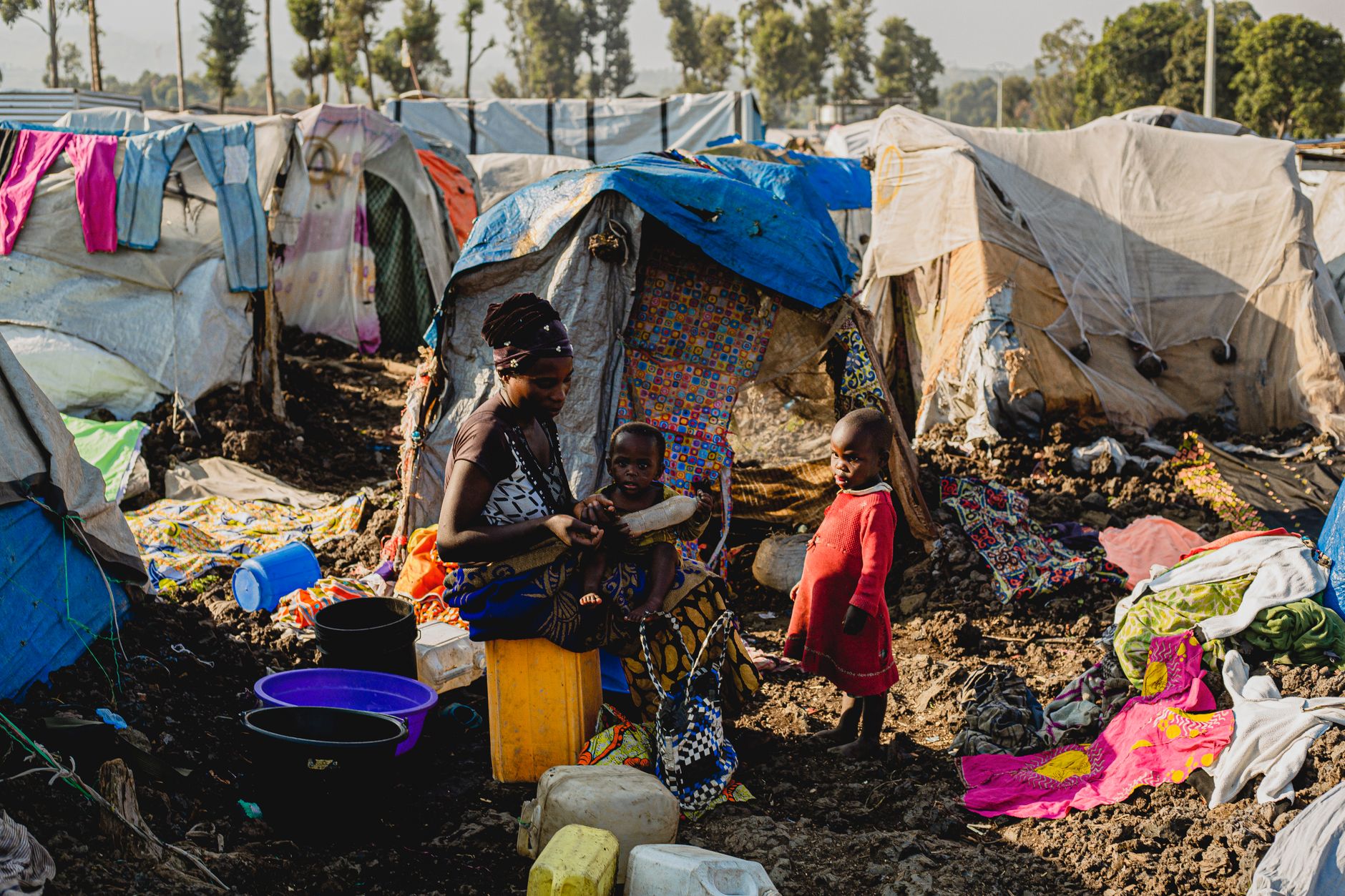
Be skeptical of the headline. UNHCR counts refugees, asylum-seekers, and internally displaced people. But definitions matter. Someone who returns to a war-torn city but lives in a tent on the rubble is no longer “displaced.” That’s a statistical artifact, not a solved problem. Of the 8 million “returns” in 2025, more than half were internally displaced people who moved back to areas still lacking basic services. Many are technically home but effectively homeless.
Also, the drop isn’t universal. In Myanmar, displacement surged after the junta’s 2021 coup. In Sudan, the civil war that started in 2023 pushed 9 million people from their homes — one of the fastest-growing displacement crises ever. The Democratic Republic of Congo, mired in decades of conflict, saw no improvement. The global decline masks regional catastrophes.
So what drove the drop? Three things: fragile peace deals, host-country hostility, and economic desperation. None of these is a victory for human dignity. But they moved the numbers.
The real test: will the drop continue? If Syria remains unstable, if Ethiopia’s peace holds, if Sudan’s war ends — these are giant ifs. Until then, we should celebrate fewer people fleeing their homes, but not confuse statistics with solutions.
On World Refugee Day, the data gives a moment of hope. But hope is dangerous if it makes us look away from the 110 million who still need one.