It was 3 a.m. when the call came. Not a siren, not a knock — a text. The kind that makes your heart stop: Evacuate now. Fire approaching. By dawn, the highway north of Kelowna was a river of headlights, 20,000 people crawling through smoke thick enough to choke a bear.
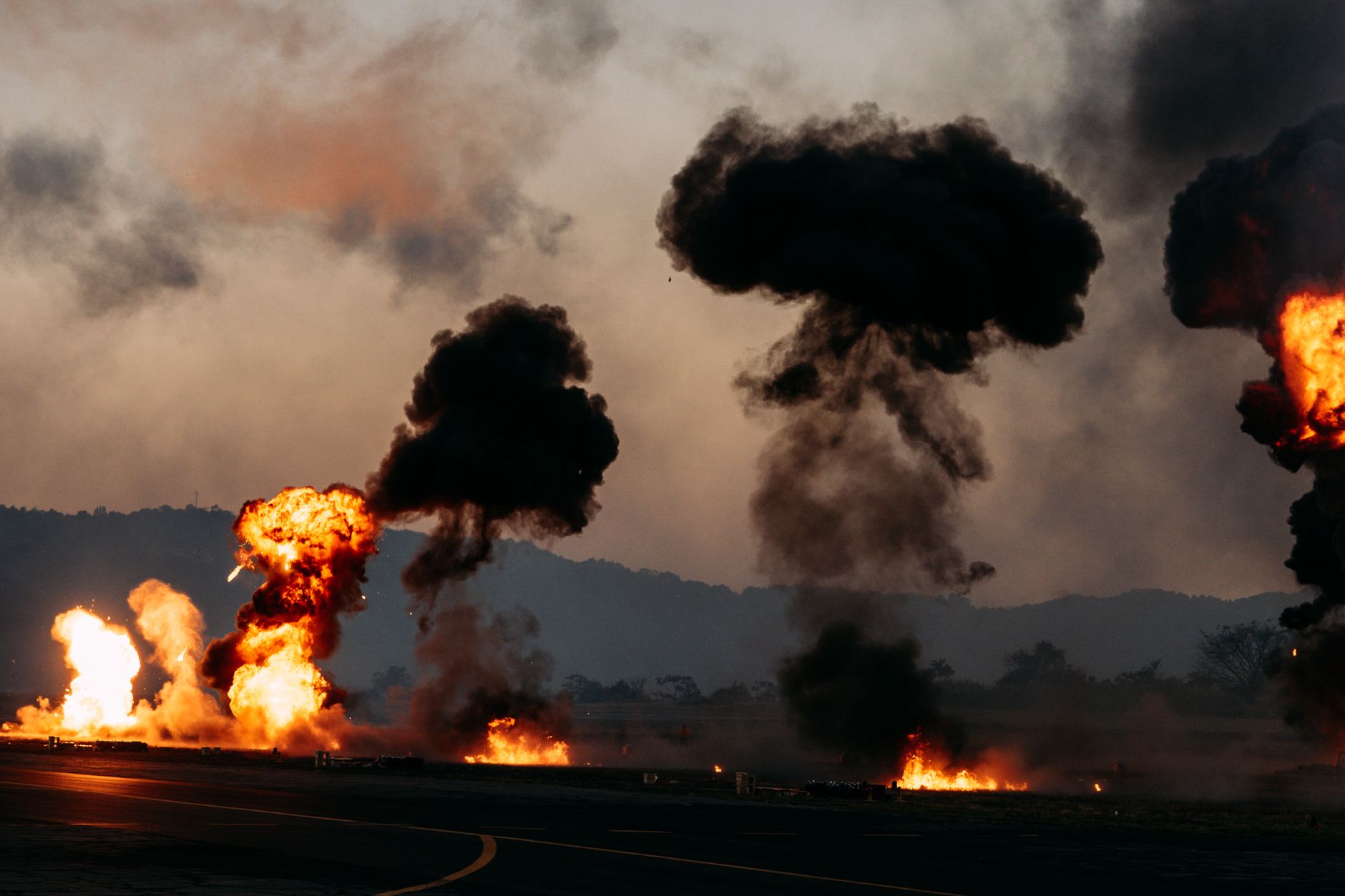
This isn't a drill. It's the new normal in British Columbia's Okanagan region, where a fast-moving wildfire has turned paradise into an inferno. Homes that stood for decades are ash. Vineyards that survived two world wars are cinders. And the sky? The sky looks like a scene from Blade Runner — orange, apocalyptic, angry.
How Did It Get This Bad, So Fast?
Officials say the fire—dubbed the Cedar Creek Blaze—ignited Saturday afternoon near a popular hiking trail. Within hours, it had jumped a containment line and was racing through tinder-dry forest. By Sunday morning, it had consumed 15,000 hectares. That's roughly 37,000 acres of land, or about the size of a small city.
Wind gusts of 60 kilometers per hour turned embers into missiles. Firefighters describe a "firestorm" — a phenomenon where the heat is so intense it creates its own weather. One crew member told me, "It's like watching a freight train made of fire. There's no stopping it. You just get out of the way."
"It's like watching a freight train made of fire. There's no stopping it. You just get out of the way."
The evacuation order covers a swath of the Okanagan Valley, including parts of Kelowna, West Kelowna, and Peachland. 20,000 people. That's not a rounding error. That's a city on the move. Emergency shelters in Kamloops and Vernon are already at capacity, and hotels as far as 200 kilometers away are booked solid.
This Isn't Just a Weather Event. It's a Tipping Point.
Let's cut the crap. This didn't happen by accident. For years, scientists have warned that warmer, drier winters and record heat waves would turn Western Canada into a tinderbox. And here we are. The Okanagan has seen fires before — 2003, 2009, 2021 — but each time, the scars heal and we rebuild. This time feels different.
Why? Because the fire season is starting earlier and ending later. Because last summer was the hottest on record, and the snowpack melted weeks ahead of schedule. Because the forests are so dry that they crackle underfoot like old bones. We're not dealing with a natural cycle anymore. We're dealing with a chronic condition.
And yet, we keep building homes in the wildland-urban interface. We keep planting more vineyards, more orchards, more subdivisions. We act surprised when nature calls in its debts.
What the Evacuees Are Telling Me
I spent the morning at the emergency reception center in Kelowna. The stories break your heart. A grandmother who grabbed her cat and her medication, leaving behind a hundred years of family photos. A young couple who watched their first home — the one they'd just finished renovating — go up in flames from the car window. A farmer who refused to leave until his horses were safe, risking his life for animals that couldn't run away on their own.
Everyone has the same look in their eyes. Shock. Disbelief. And a quiet anger that this keeps happening. "We knew this was coming," said Mark, a 52-year-old carpenter who lost his workshop. "We just didn't think it would be our turn so soon."
His words hang in the air. Because that's the truth, isn't it? We all know the climate is changing. We see the headlines, the documentaries, the dire warnings. But until the flames are at your doorstep, it's abstract. Until you're one of the 20,000, it's not your problem.
The Fight Isn't Over — But the Battle Is Losing
As of this writing, the fire is still out of control. Over 300 firefighters are on the front lines, supported by water bombers and helicopters that look like mosquitoes battling a dragon. But the forecast calls for more wind and no rain. The best they can hope for is to slow its advance, to protect the next town, to save the next block of houses.
The economic cost will be staggering. The Okanagan is not just a pretty place; it's a major producer of wine, fruit, and tourism revenue. The smoke will choke the summer tourist season. The orchards that survive will be covered in ash. The vineyards that burn will take years to replant. This is a blow to a region that was just starting to bounce back from COVID.
"We knew this was coming. We just didn't think it would be our turn so soon."
But here's the thing that keeps me up at night: this is going to happen again. Not maybe. Not possibly. It's a certainty. The conditions that created this fire haven't changed. If anything, they're getting worse. We're not fighting a fire; we're fighting gravity. And gravity always wins.
A Moment of Reckoning
I've covered fires in California, Australia, and Greece. I've seen the same pattern play out everywhere. Denial, disaster, grief, promises, and then — slowly — rebuilding in the exact same places. It's a cycle of insanity that we repeat because the alternative is too hard. Because changing our habits, our policies, our relationship with the land, is inconvenient.
But maybe this time is different. Maybe the scale of this evacuation — 20,000 people, a number that rivals some small countries — will shake us awake. Maybe the images of families huddled in shelters, the smell of smoke that reaches all the way to Vancouver, will force a conversation we've been avoiding for decades.
I'm not holding my breath. But I'm also not giving up. Because the people I met today — the ones who lost everything and still offered me a bottle of water — they're not giving up. They'll rebuild. They'll replant. They'll fight. It's what we do.
The question is: will we do it differently this time? Or will we let the ashes settle, pat ourselves on the back for a job "well done," and wait for the next spark?
I'll be watching. And I'll be reporting. Because that's my job. But it's also yours to act. Don't wait until the sky turns red over your town. By then, it's already too late.