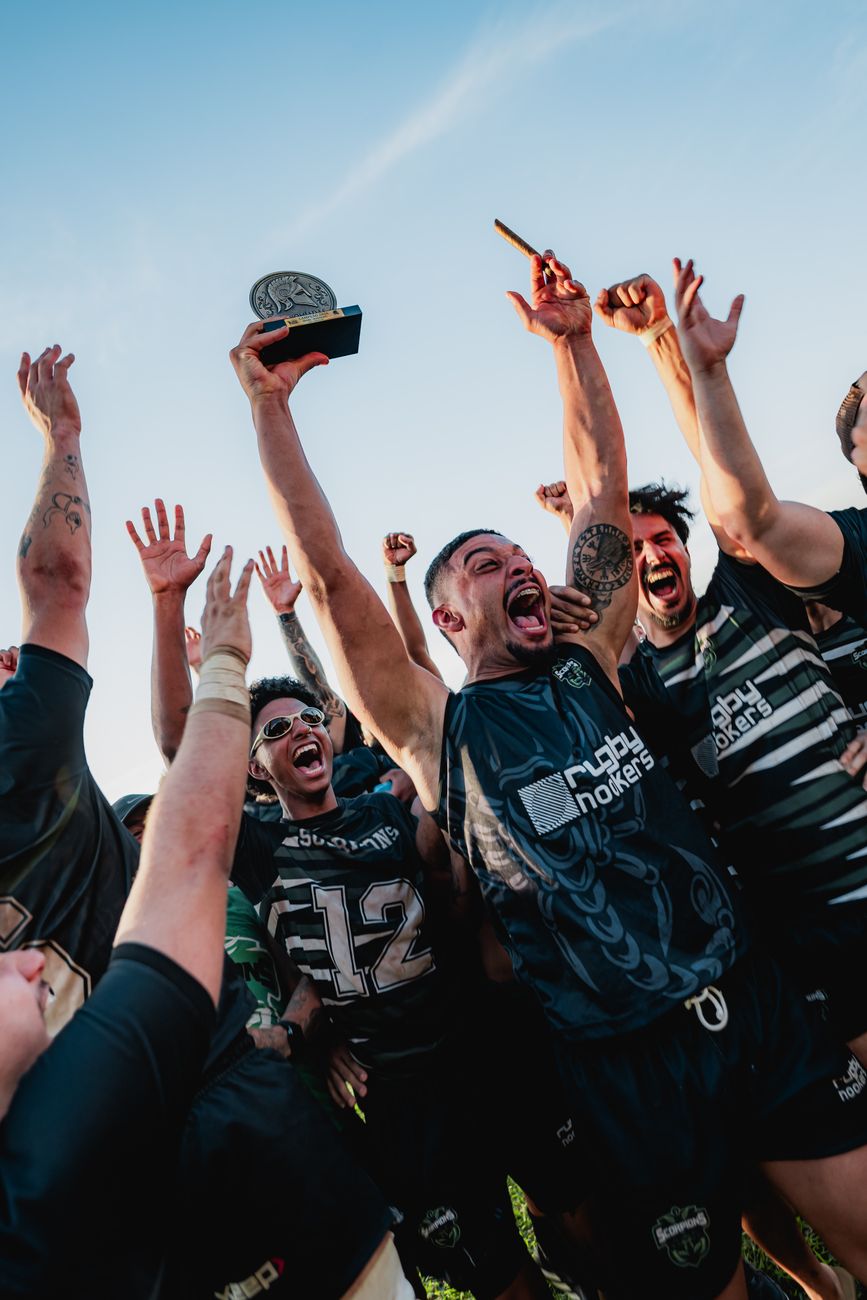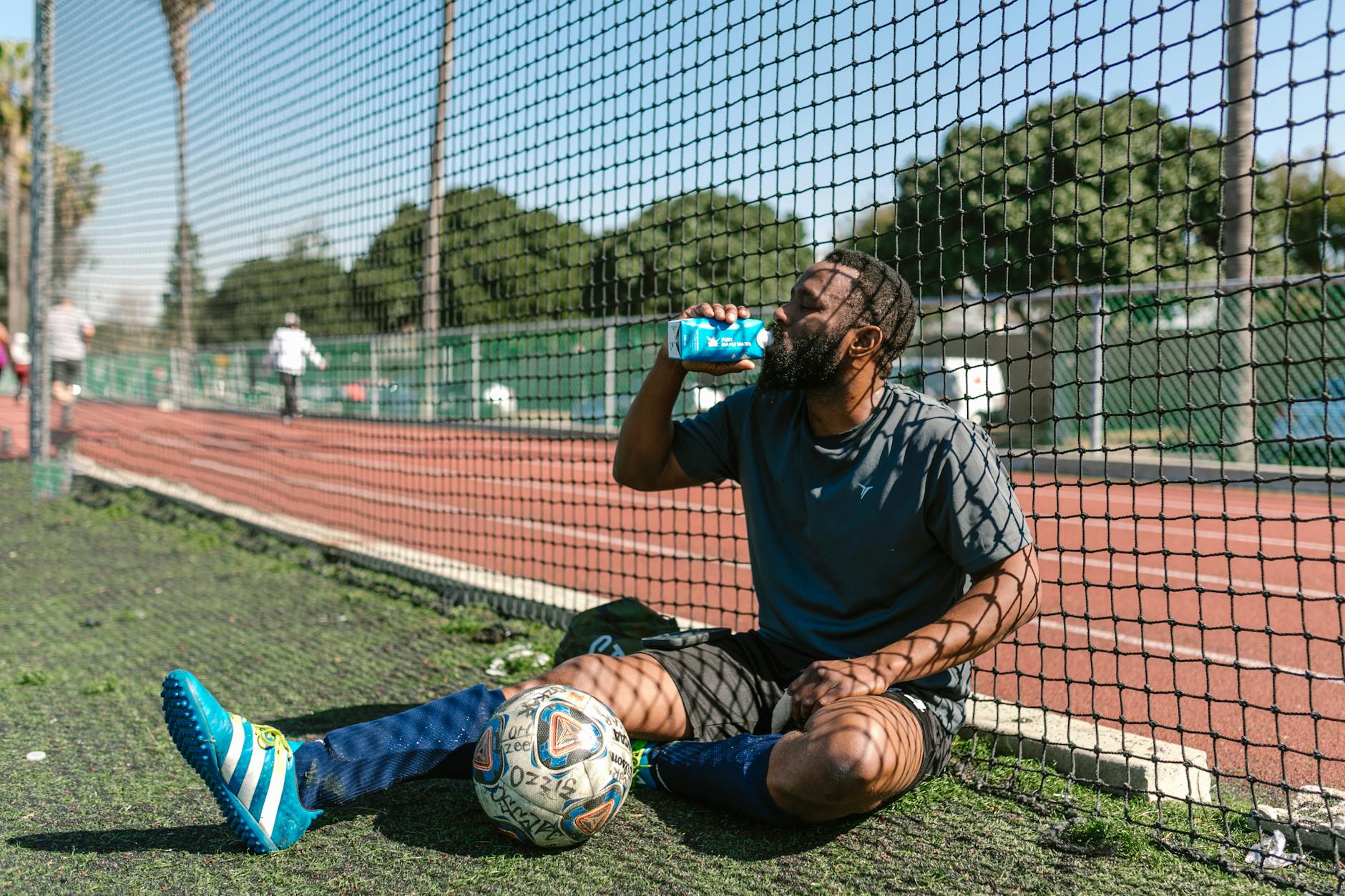
The boos started softly at first, a low rumble from the stands. Then they swelled, drowning out the stadium announcer. Fans in Sao Paulo, Moscow, and Johannesburg were doing something remarkable: they were united in hatred of a three-minute water break.
FIFA's mandatory hydration pauses — introduced for the 2026 World Cup — were supposed to be about player safety. But anyone who watched the games knew different. These breaks were ads. Pure and simple. Three minutes of clock-stopping, momentum-killing commercial time dressed up as concern for athlete welfare.
And the players hated them. Coaches hated them. Fans hated them. For once, everyone agreed.
The Selling of Sweat
Let's be honest: FIFA didn't add hydration breaks because they suddenly cared about heat stroke. They added them because a three-minute pause is worth millions in broadcast revenue. In a tournament already bloated with sponsorship — from official beer to official mattress — this was the final straw.
During the break, the cameras don't pan to players gulping water. They cut to ads. The jumbotron runs promos. The announcer reminds you which bank, which car company, which soft drink made this moment possible. It's grotesque.
One player, speaking anonymously to The Athletic, called them “stupid and embarrassing.” Another said: “We're not kids. We know when we need water.”
The Myth of Necessity
FIFA's medical committee cited “extreme heat conditions” in host cities. But several matches were played in temperate climates — some even under closed roofs with air conditioning. The breaks happened anyway. Because the contract said so.
Critics point out that players in the Premier League, La Liga, and Serie A routinely play 90 minutes without mandatory pauses. They manage hydration on the fly, grabbing sips during stoppages. Professional athletes know their own bodies. But FIFA apparently knows better.
“It's a solution in search of a problem,” said Dr. Michael Kellman, a sports physiologist at the University of Cape Town. “The data on heat-related incidents at World Cups doesn't justify this disruption. It's a commercial decision, not a medical one.”
Fan Fury, Player Solidarity
What made the hydration breaks truly remarkable was how they unified an otherwise fractured global audience. Fans who scream at each other over offside calls and penalty decisions found common ground: they all wanted the game to keep going.
Social media exploded during the first round of group matches. Memes compared the breaks to timeouts in American football. Chants of “let them play” echoed through stadiums. The hashtag #WaterBreakFail trended in 14 countries.
Players showed their displeasure too. Some stood in groups, arms crossed, refusing to engage with the on-field entertainment. Others walked to the sideline and grabbed a quick word with coaches — a tactical briefing that FIFA's structure accidentally allowed. Coaches like Morocco's Walid Regragui openly criticized the breaks, calling them “an interruption to the flow of football.”
The FIFA World Cup 2026 became the first tournament where players, fans, and coaches agreed on something. That's not just rare. It's a miracle.
What Breaks Really Cost
Football is a game of rhythm. A sudden pause — especially one that lasts three full minutes — kills momentum. Teams on the attack lose their edge. Defenders reset. The crowd's energy dissipates. It's like stopping a locomotive to ask passengers if they want snacks.
Analysts have already documented several matches where the break shifted the outcome. In the group stage match between Ghana and Uruguay, Ghana was pressing hard in the 30th minute. Then came the break. Uruguay regrouped, scored two minutes after the restart, and won 2-1. Coincidence? Ask any Ghanaian fan.
The breaks also favor older, more experienced teams. Younger players rely on speed and aggression. A pause gives veteran defenders time to recover and reorganize. It's an unfair advantage dressed up as safety.
A Solution That Doesn't Work
Here's the irony: the breaks don't even solve the hydration problem. Players say they lose focus during the pause. Muscles cool down. The risk of injury actually increases when they resume full sprint. Medical studies on “active recovery” suggest that sudden inactivity mid-game can lead to cramps and strains.
“If FIFA truly cared about hydration, they'd allow unlimited water bottles on the sideline,” said Dr. Kellman. “They'd let players drink during natural stoppages. Instead, they force a commercial interruption that medical experts say is counterproductive.”
In other words, the cure is worse than the disease.
The Verdict: Abolish the Break
The 2026 World Cup will be remembered for many things: the expansion to 48 teams, the first matches played on three continents, the stunning performance by the Moroccan national team. But it will also be remembered as the tournament where FIFA finally went too far.
Hydration breaks are not about player welfare. They are about revenue. And everyone — players, coaches, fans — has noticed. The boos are not going away. The criticism is not dying down.
FIFA has a choice: listen to the people who actually play and watch the game, or keep chasing the ad dollar until the stadiums empty.
For now, the boos continue. And they should.