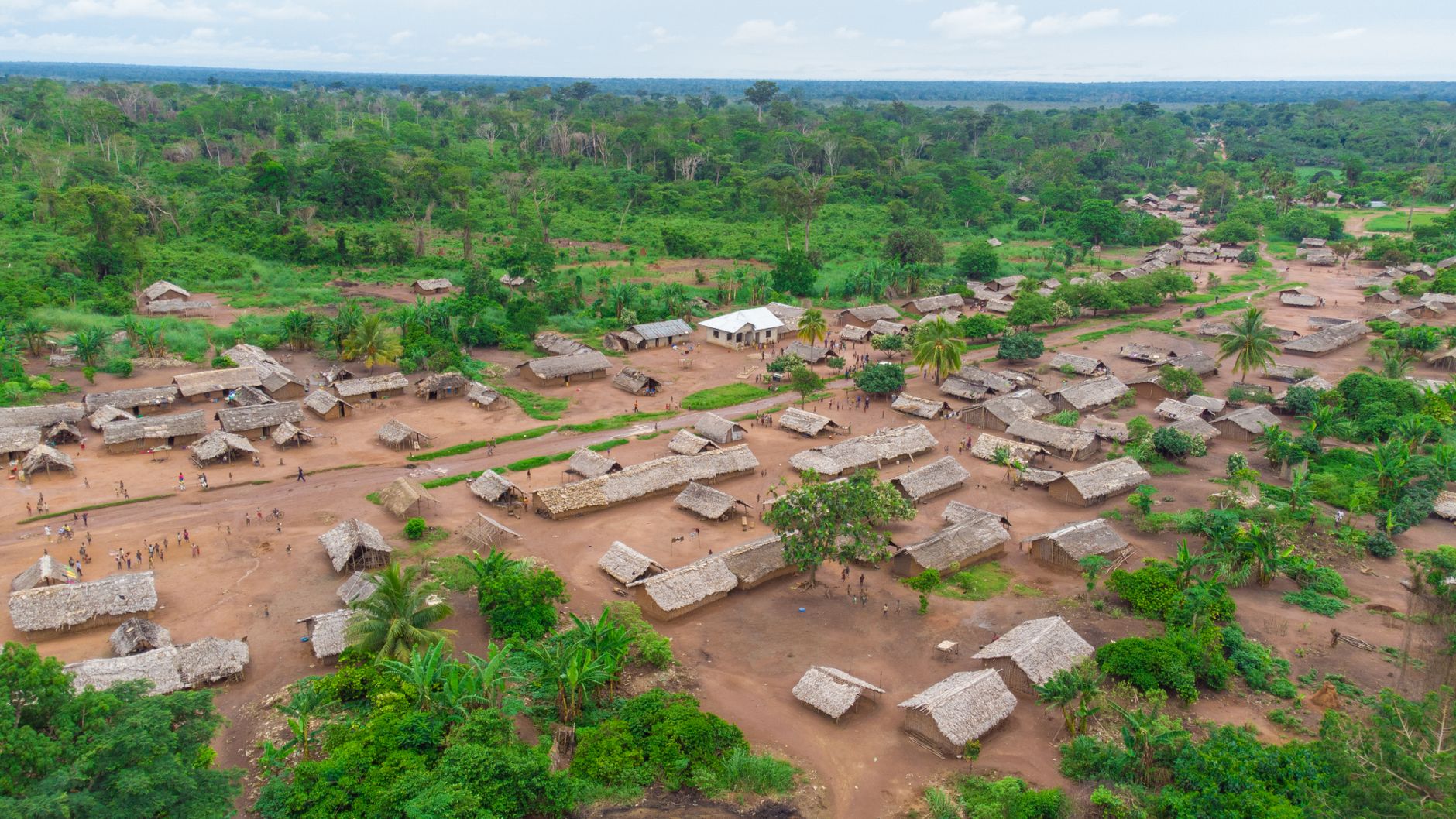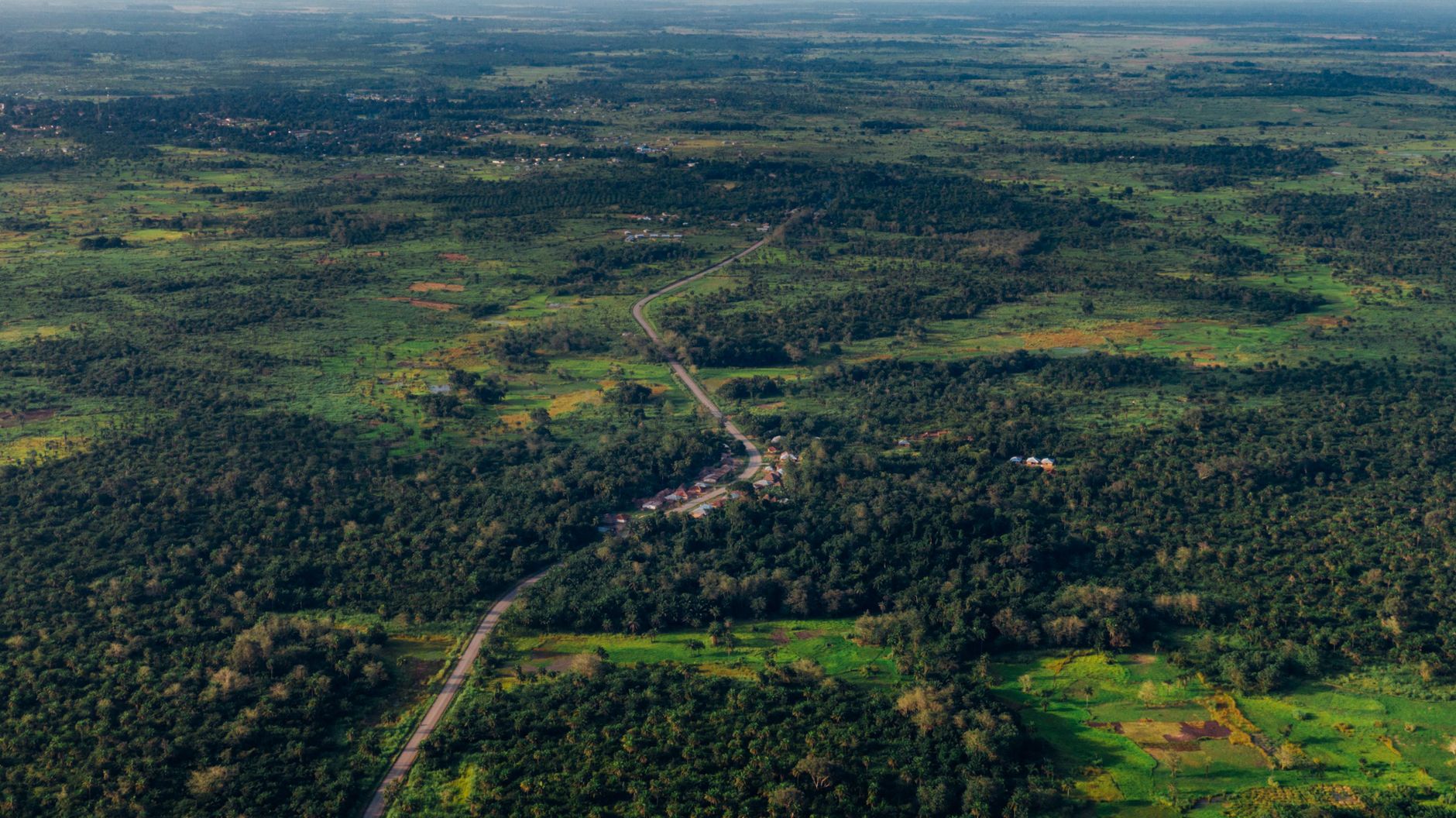
The Ebola virus keeps spreading. But something else is happening in the Democratic Republic of Congo — something that sounds almost impossible.
Healthcare workers say the situation has improved.
Not solved. Not under control. But better.
That's a headline you don't see every day from a country that's been ground zero for one of the world's most terrifying diseases. So what changed?
What 'Better' Actually Means
Let's be clear: Ebola is still killing people. New cases pop up every week. The outbreak that began in 2025 has claimed over 1,200 lives. International aid groups still scramble to contain clusters in remote villages.
But walk into a treatment center now, and it's not the same chaos of six months ago. Doctors aren't working without gloves. Ambulances actually show up. Contact tracing teams don't get chased out of towns.
“We have learned,” says Dr. Aline Mukwege, a physician at a treatment unit in Goma. “Every outbreak teaches us something. This time, we listened.”
That's the part the death-count headlines miss. The slow, unglamorous grind of public health infrastructure taking root in one of the world's hardest places to build anything.
The Local Fix That Made the Difference
The turning point? When the Congolese government stopped waiting for foreign saviors.
For years, the playbook was simple: outbreak hits, WHO flies in, international NGOs set up tents, locals watch from the sidelines. This time, something shifted.
In January, the Ministry of Health opened a permanent emergency operations center in Kinshasa — not a temporary command post, but a real building with real staff paid by the state. They trained 2,000 community health workers in a month. They stockpiled vaccines and body bags before the next wave came.
“The international community helped, but this was our response,” says Dr. Jean-Pierre Kasongo, who runs the center. “We made the decisions. We moved the supplies. We buried our dead with dignity.”
That ownership matters. When locals lead, trust follows. When trust follows, people stop hiding their sick relatives. They start coming to clinics early. They let vaccinators into their homes.
And that's how you break the chain of transmission.
Hope Is a Fragile Thing
Nobody's popping champagne. The numbers are still brutal. The virus still finds new hosts. And the underlying problems — poverty, conflict, a shattered health system — haven't disappeared.
But there's a difference between a crisis that's hopeless and a crisis that's hard. This one might just be the latter.
“We are not celebrating,” says Sister Marie-Claire, a nurse who has worked through three Ebola outbreaks. “But I sleep better at night now. I know that if a case comes tomorrow, we have a plan. That is new.”
Here's the uncomfortable truth the world doesn't want to admit: this improvement came because Congo finally got the resources it needed for more than a few months. The World Bank released $100 million in emergency funding. The U.S. CDC stayed present instead of pulling out. And the government actually spent the money — a rare thing in a country notorious for corruption.
The Lesson Nobody Wants to Learn
Every time a new virus erupts — Ebola, Marburg, the next unknown — the same conversation happens. We need stronger health systems. We need local capacity. We need to stop flying in and flying out.
Then the outbreak fades. The money dries up. The experts leave. And the next time, everyone acts surprised.
This time, maybe it's different. Maybe Congo's progress shows that sustained investment actually works. Maybe donors will look at a country that's finally doing something right and decide to keep paying for it.
Or maybe they'll look at the still-rising case count and decide it's not worth it.
That's the gamble. That's the real story.
Ebola isn't defeated. But the people fighting it are no longer alone. And in a place that's seen too many bodies, too many empty promises, too many foreign experts with clipboards, that's something.
It's not a victory. But it's a start.
And for the nurses who suit up every morning, the contact tracers who walk miles through the mud, the mothers who bring their feverish children to the clinic — that start is everything.