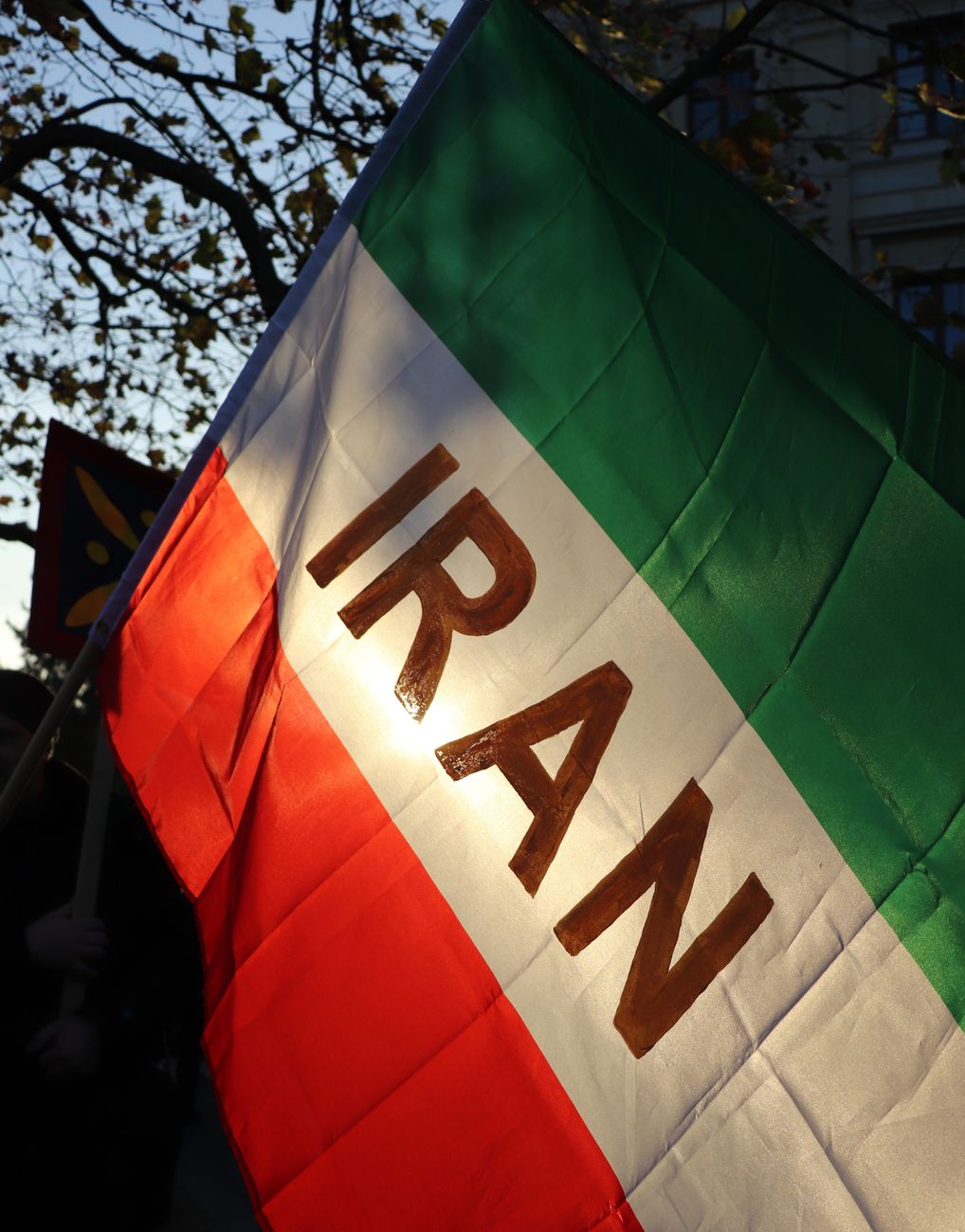
Iran's deputy foreign minister dropped a diplomatic bombshell Saturday: Tehran is 'ready to move forward' with the United States — but only if Washington first makes Israel stop bombing Lebanon. The condition, delivered in a tersely worded statement, yanks the region's chessboard into a new, more dangerous game.
The offer is classic Iranian brinkmanship: dangle a carrot the size of a nuclear centrifuge, then demand the other side blink first. 'We are prepared for constructive engagement,' the deputy minister said, 'but the precondition is clear: the US must ensure Israel ceases its aggression against Lebanon.'
Translation: End the war on one front, or forget diplomacy on every front.
Decoding the Message
Tehran's move isn't about peace. It's about leverage. By tying nuclear talks — the holy grail of US-Iran diplomacy — to Israel's military campaign in Lebanon, Iran forces Washington to choose: pressure your ally, or watch the region burn faster.
The timing is no accident. Israel's ground incursion into southern Lebanon, now in its third week, has killed over 400 people and displaced thousands. Hezbollah, Iran's most heavily armed proxy, is taking casualties but still launching rockets into northern Israel daily. The US has publicly backed Israel's 'right to self-defense' while privately urging restraint.
Iran smells an opening. The Biden administration, already struggling to contain the Israel-Hamas war in Gaza, now faces a potential two-front crisis. Tehran's message: you want to talk about nukes? First, clean up your proxy's mess.
'Iran doesn't bluff — it calibrates. This is a pressure test dressed as an olive branch.' — former State Department official
The Nuclear Elephant in the Room
Let's be clear: the US and Iran have been circling each other for months over a revived nuclear deal. Indirect talks in Oman went nowhere. Iran's uranium enrichment is at 60% — a hair's breadth from weapons-grade. The International Atomic Energy Agency says Tehran has enough material for several bombs, if it chooses to build them.
Every expert I've spoken to agrees: Iran wants sanctions relief more than it wants nukes. But it also wants regional dominance. By linking the nuclear file to Lebanon, Iran is effectively saying: 'You can't have one without the other.'
That's a non-starter for Washington. The US has always insisted the nuclear issue is separate from Iran's proxy wars. But Tehran just blew up that distinction.
Israel's Dilemma
For Israel, Iran's gambit is a nightmare. Prime Minister Benjamin Netanyahu's government is already fighting a two-front war — Gaza and Lebanon — while facing international isolation over civilian casualties. The last thing Israel needs is for the US to start pressuring it to stop the Lebanon campaign just so Washington can talk to Tehran.
But that's exactly what Iran wants. 'Israel finds itself in a strategic bind,' said a Tel Aviv-based security analyst who asked not to be named. 'If it keeps pounding Lebanon, it risks a rift with the US. If it stops, Hezbollah wins.'
Israel's official response has been predictably defiant: 'We will continue to operate against any threat, regardless of extraneous diplomatic maneuvers.' But behind closed doors, officials are fuming. They see Iran's offer as a trap designed to fracture the US-Israel alliance.
What Happens Next
The ball now sits squarely in Washington's court. Secretary of State Antony Blinken called the Iranian statement 'an interesting development' — diplomatic code for 'we're not sure what to do with it.'
Three scenarios loom:
Scenario One: The US says no. Reject Iran's condition, and the nuclear talks stall indefinitely. Iran enriches more uranium. Israel keeps bombing Lebanon. The region spirals.
Scenario Two: The US pressures Israel. Demand a ceasefire in Lebanon — and possibly in Gaza — in exchange for renewed nuclear diplomacy. Israel screams betrayal. Netanyahu's coalition could collapse.
Scenario Three: The US kicks the can. Offer 'humanitarian pauses' in Lebanon while continuing indirect talks with Iran. Neither side gets what it wants. The war drags on.
History suggests the third option is most likely. But Iran's deputy foreign minister just made it harder for the US to have it both ways.
The Bottom Line
Iran's offer is a trap — but a transparent one. It exposes the central contradiction in US Middle East policy: Washington wants to contain Iran without restraining Israel. Tehran just proved that's impossible.
The question now is whether the US is willing to choose: its alliance with Israel, or a deal with Iran. Because Iran just made that choice unavoidable.
And the clock is ticking. Every bomb that falls on Lebanon brings the region closer to a war no one can control — and pushes the nuclear threshold lower.