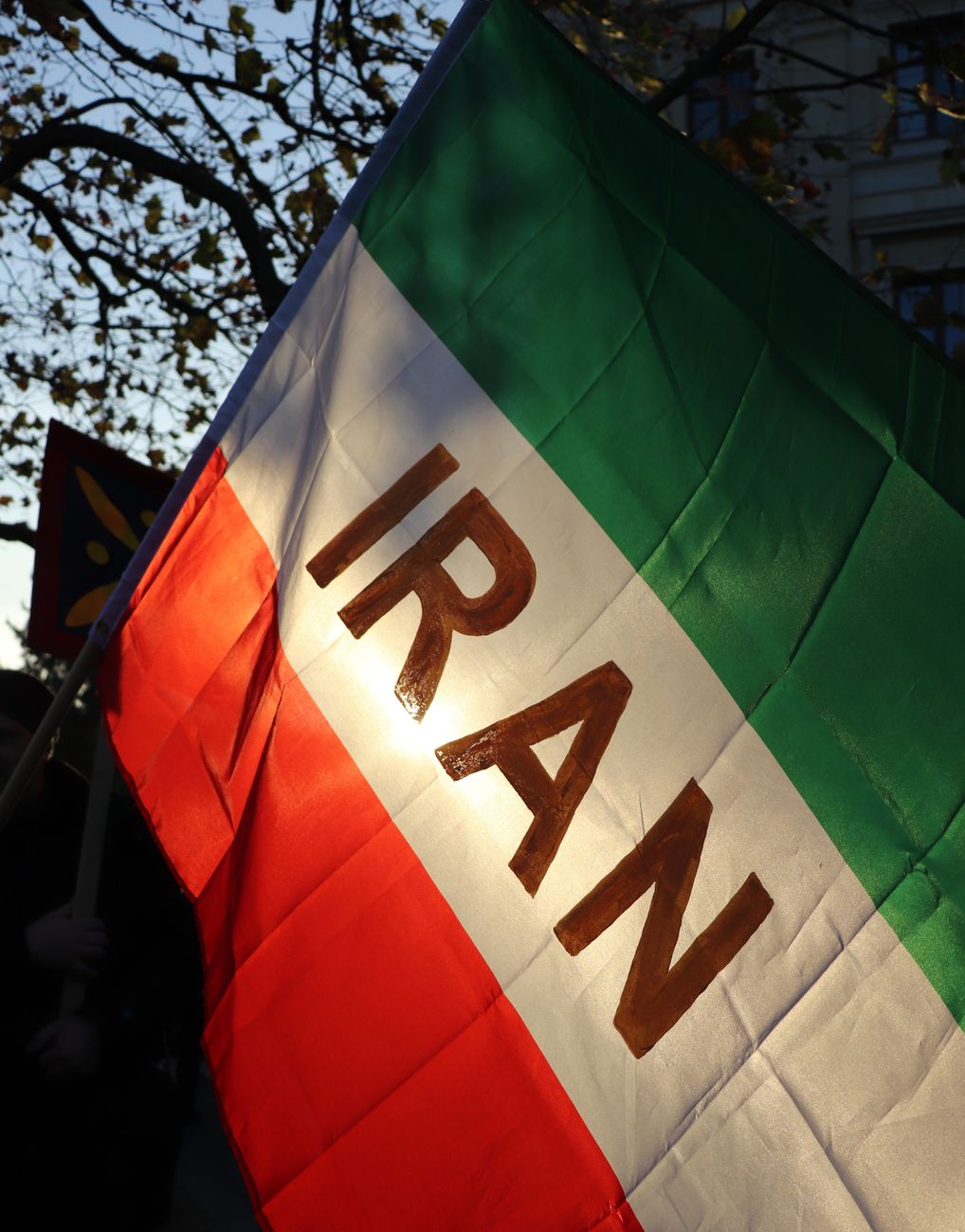
Qatar's Prime Minister huddles with US envoys in Doha, but Iran just slammed the table. The message from Tehran: not a word about a final nuclear deal until the guns fall silent in Lebanon and Washington unlocks the purse strings. This isn't negotiation—it's a dare.
The Price of Peace
Iran's conditions are brutal in their simplicity. First, a ceasefire in Lebanon. Not a 'pause' or a 'de-escalation'—a full stop. Second, the billions in frozen Iranian assets—oil revenues held hostage by US sanctions—must be freed. No half-measures. No promises. Show me the money and the silence, then we'll talk.
This is classic Tehran: turn weakness into leverage. The US wants a deal to prevent a nuclear breakout? Fine. But Iran's proxies are bleeding Israel in Lebanon, and its economy is choking under sanctions. So the regime asks: which do you want more—your peace or your principles?
“No talks on a final deal until the war ends in Lebanon and our funds are released,” a senior Iranian official told Al Jazeera. “These are not negotiating points; they are prerequisites.”
Qatar’s Tightrope
Enter Qatar's PM, Sheikh Mohammed bin Abdulrahman Al Thani. He's the man in the middle, shuttling between Washington and Tehran. But this time, the gap isn't a crack—it's a canyon. The US envoy carries offers of sanctions relief, but insists on sequenced steps: Iran freezes enrichment first, then money flows. Iran says no: trust, then verify.
Qatar's role is paradoxical. It hosts the largest US military base in the region, yet maintains warm ties with Iran. It's the mediator that can't afford to fail—because failure means war. And war in the Gulf would drown Doha's gleaming skyline in smoke.
Why Now?
The timing is no accident. Lebanon's front is heating up, with Hezbollah and Israel trading blows that echo 2006. Iran knows that a wider war would drag in its allies—and its enemies. So it's betting that the US, weary of Middle Eastern quagmires, will blink first.
But there's a gamble: the frozen funds. Those billions are Iran's lifeline. Without them, the regime can't buy popular loyalty as sanctions bite. They want the cash yesterday. The US, however, sees those funds as a leash. Release them, and Iran could pour money into proxies across the region.
The Nuclear Elephant
Underneath all this, the nuclear clock ticks. Iran's enrichment is at 60%—a hair's breadth from weapons-grade. The IAEA reports inspectors are being blocked. The US intelligence community whispers that breakout time is weeks, not months.
Yet here's the rub: Iran is negotiating as if it holds all the cards. It does. Washington's options are grim. Bomb Iran? Risk a regional firestorm. Accept its conditions? Hand Tehran a victory. Do nothing? Watch the clock run out.
“The US has two choices,” a former State Department official said. “Give in to Iran’s demands or prepare for a strike. There is no middle ground left.”
The Human Cost
While diplomats argue about billions and bomb yields, real people pay the price. In Lebanon, families huddle in basements as airstrikes level neighborhoods. In Iran, mothers struggle to buy medicine as the rial collapses. The frozen funds aren't abstract—they're food, medicine, and hope.
And that's the core of Iran's demand: not just money, but dignity. A signal that the West sees Iran as an equal, not a pariah. Until that changes, Tehran will stand firm. And the world will wait.
What Happens Next?
Expect more shuttle diplomacy. Expect leaks and denials. But expect no breakthrough. Iran's conditions are a wall, not a door. The US will test it, probe it, and maybe try to climb over it. But Tehran has made clear: you don't get a deal by chipping away at the wall. You get it by tearing it down.
The question is: does Washington have the stomach for that? Or will it let Iran's nuclear program race ahead while its proxies burn the region? The answer will define not just the next months, but the next decade.