Day 113 of the Iran war, and the real fight is in the back rooms. Tehran is leaning hard on Washington, demanding a Lebanon ceasefire tied to broader nuclear talks. But Israeli airstrikes are shredding the fragile truce, threatening to drag the region back into the abyss.
The pattern is sickeningly familiar: a ceasefire is announced, champagne is uncorked, and within hours, the explosions start. This time is no different. Israeli jets hit targets in southern Lebanon yesterday, killing at least 12 people. Hezbollah responded with rocket fire into northern Israel. The UN peacekeepers are scrambling, but nobody expects them to stop this.
The pressure campaign
Iran's foreign minister, Abbas Araghchi, was blunt in a late-night press conference: 'The United States must choose between continuing the war in Lebanon and reaching a comprehensive nuclear agreement.' Translation: give us what we want on enrichment, or watch your proxy war spiral.
This isn't subtle. It's a shakedown dressed in diplomatic language. And it might just work, because Washington is desperate. The Biden administration has staked its Middle East legacy on two things: a nuclear deal with Iran and a stable Lebanon. Right now, both are in flames.
'The United States must choose between continuing the war in Lebanon and reaching a comprehensive nuclear agreement.' - Iran's FM Abbas Araghchi
The Israeli calculus
Israel's prime minister, Benjamin Netanyahu, is playing a different game. He knows that every bomb dropped on Hezbollah weakens Iran's most powerful proxy. He also knows that a wider war is exactly what his far-right coalition wants. Polls show his approval rating ticking up with each strike.
Netanyahu's gamble is that the US will back him no matter what. And so far, he's right. Washington condemned the airstrikes in boilerplate language but vetoed a UN Security Council resolution calling for an immediate ceasefire. The message is clear: Israel has a green light.
What Iran really wants
Underneath the saber-rattling, Iran is in a tight spot. Its economy is hemorrhaging. The rial has lost 40% of its value since the war began. Sanctions are biting harder than ever. Supreme Leader Khamenei needs a win—something to show the Iranian people that the blood and treasure spent on proxies wasn't wasted.
A nuclear deal would provide that win. It would bring sanctions relief, investment, and a seat at the table. But Iran wants enrichment rights, and the US wants unfettered inspections. That's the standoff. By linking Lebanon to the nuclear file, Iran is trying to force a compromise.
The problem is that Hezbollah is not Iran's pawn. It's a partner with its own agenda. Hassan Nasrallah, the group's leader, has his own credibility to protect. If he stops fighting while Israel bombs his strongholds, he looks weak. If he escalates, he risks a war that could destroy Lebanon.
The human cost
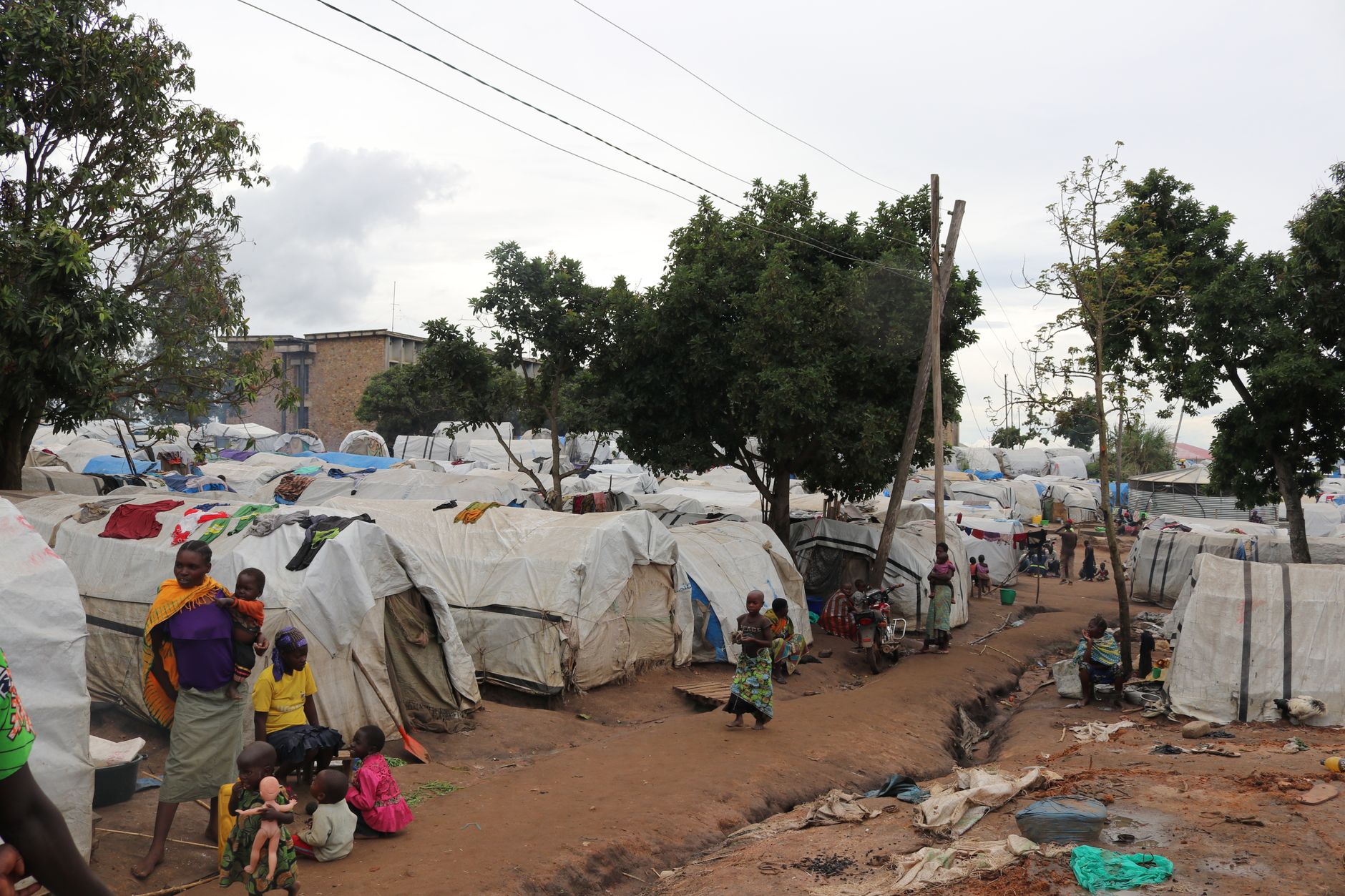
Meanwhile, civilians are paying the price. In the southern Lebanese village of Khiam, rescue workers pulled a child's body from the rubble yesterday. The father stood nearby, silent, his face blank. 'What ceasefire?' he asked a reporter. 'They say ceasefire, but the bombs keep falling.'
That's the gap between the diplomatic language and the ground truth. In Geneva, diplomats talk about 'proportional responses' and 'de-escalation mechanisms.' In Khiam, they bury their dead.
What comes next?
Three scenarios are possible. First, the US caves to Iranian pressure, offers concessions on enrichment, and the Lebanon ceasefire holds—barely. Second, Israel keeps bombing, Hezbollah retaliates, and the region slides into a full-scale war. Third—and this is my bet—the US and Iran will kick the can down the road. They'll agree to 'talks about talks' in Vienna, while the fighting continues.
Because that's what great powers do. They talk. They posture. They pretend that words can stop bullets. But history tells us that ceasefires only work when both sides are exhausted. Right now, nobody is tired enough.
The war has been going on for 113 days. It could go on for 113 more. And the only thing certain is that more people will die while the diplomats argue about commas in a draft agreement.
Iran wants a deal. Israel wants victory. The US wants peace with a minimum of effort. And the people of Lebanon and Israel want to sleep through the night without hearing explosions. Guess which one is least likely to happen.