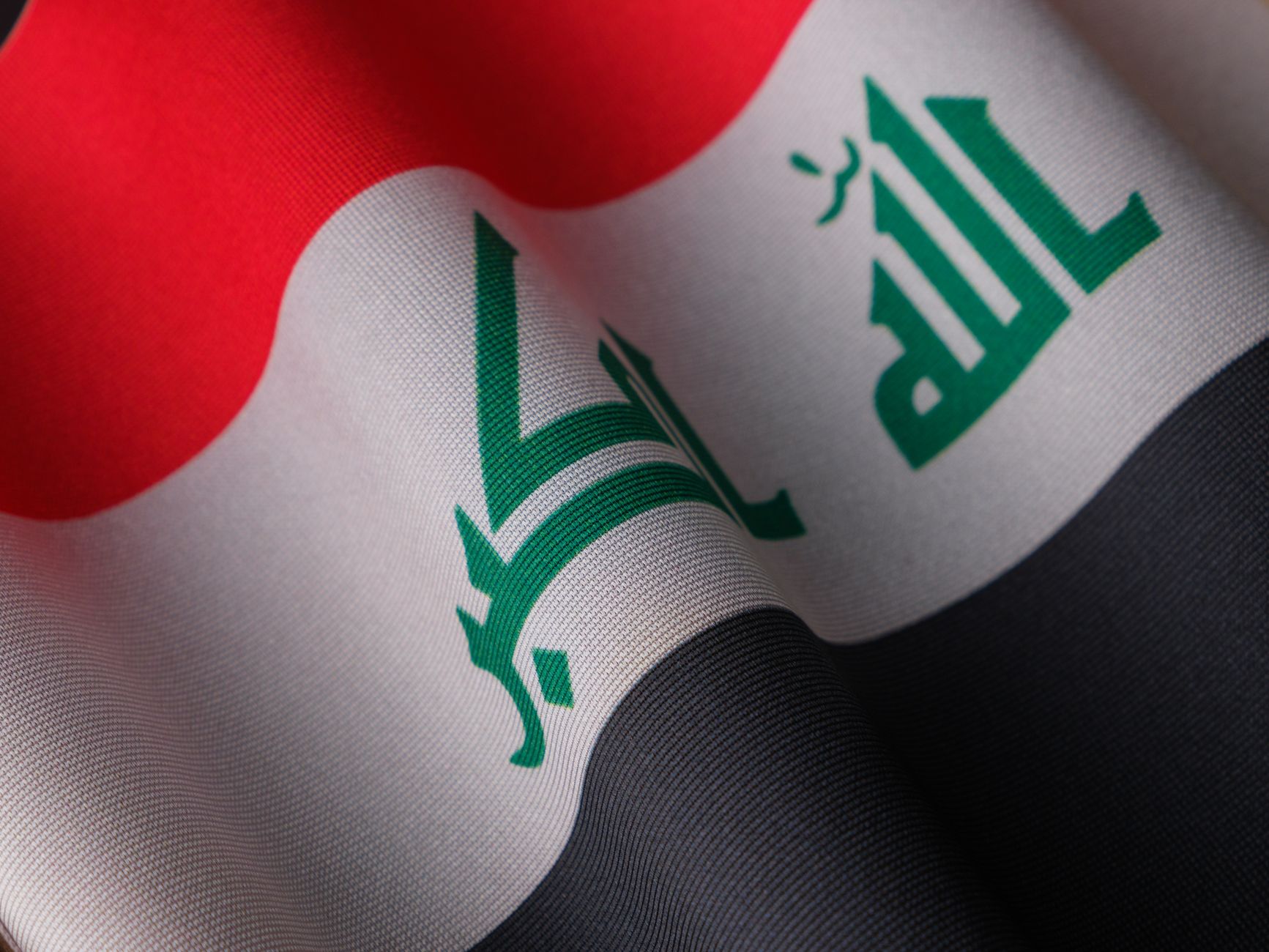
The message from Tehran couldn't have been clearer. Any tanker or cargo ship that dares to use the newly proposed alternative route through the Strait of Hormuz without Tehran's explicit approval is 'unacceptable and dangerous.' Those were the words Iran's military brass used Thursday, and they weren't kidding.
The Stakes in the Strait
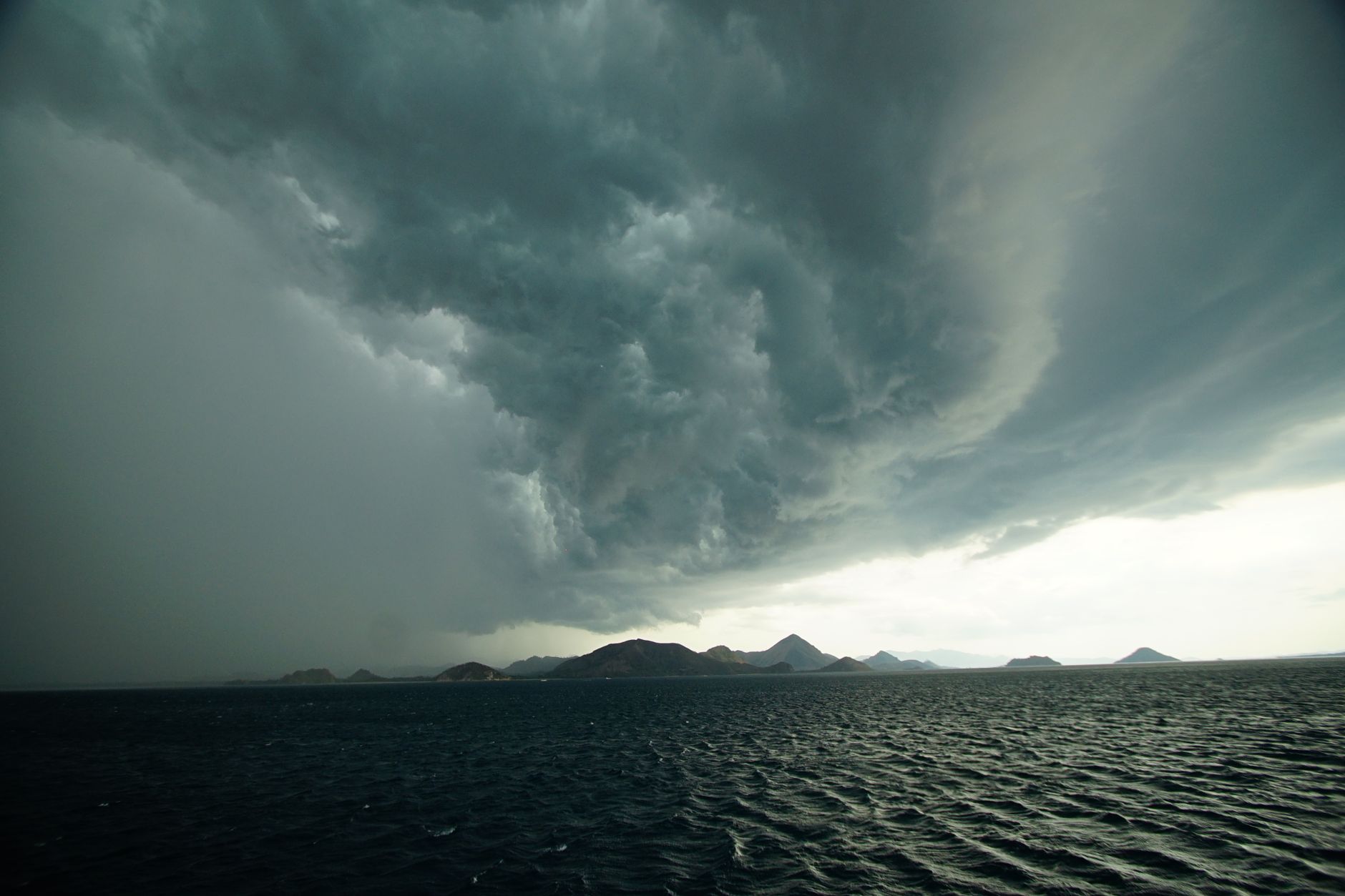
The Strait of Hormuz is the world's most critical oil chokepoint. Roughly a fifth of all petroleum passes through its narrow waters. For decades, Iran has held the world hostage by threatening to close it. Now, with a new bypass being floated — one that lets vessels slip past Iranian territorial waters — the regime's grip is slipping. And they hate it.
Iran's Revolutionary Guard Corps — the same crew that seized tankers and dragged them to Iranian ports — is now drawing a line in the sand. 'Any transit without coordination and permission from Iran is illegal and a threat to regional security,' a Guard commander told state media. The message: we decide who crosses. Not you. Not the United States. Not the United Arab Emirates. Not the world.
'Any transit without coordination and permission from Iran is illegal and a threat to regional security.' — IRGC commander
Let's call this what it is: a desperate attempt to cling to leverage. For years, Iran used the Strait as its nuclear bargaining chip. Threaten to shut it down, oil prices spike, and the West comes running to the negotiating table. But if a new route opens — one that bypasses Iranian waters entirely — Tehran loses its chokehold. No leverage. No crisis. No seat at the table.
The New Route: A Workaround in the Making
The proposed alternative isn't some fantasy. It's real, and it's being taken seriously by Gulf states and their Western allies. The plan involves expanding maritime corridors off the coast of Oman and the UAE, using deep-water channels that keep vessels legally clear of Iranian zones. In practice, that means oil tankers could sail from the Persian Gulf to the Arabian Sea without ever entering Iranian territorial waters.
The UAE has been quietly pushing this for years. Oman, too, has interests in keeping the strait open and free. But the final push came after a series of tanker seizures by Iran in 2024 and 2025. Insurers hiked premiums. Shipping companies rerouted. The world realized that putting all eggs in Iran's basket was a dangerous game.
Now, the bypass is technically feasible. Engineering surveys are underway. The infrastructure — buoys, traffic separation schemes, communication relays — can be deployed in months, not years. The U.S. Navy's Fifth Fleet has already wargamed escort operations for the new route. The message: we don't need your permission anymore.
Iran's Bluff or Real Threat?
The question is whether Iran will act on its threats. In the past, they have. In 2019, they seized the British-flagged Stena Impero. In 2024, they detained a string of tankers, including one owned by a Greek firm. Each time, the world slapped sanctions and moved on. But a full-on blockade against ships using an alternative route? That would be war.
And Iran knows it. The Revolutionary Guard's rhetoric is aimed at domestic consumption — a show of strength to a population battered by sanctions and economic collapse. But the real audience is the international community: the U.N., the International Maritime Organization, the shipping firms weighing the risk of the new route. Iran wants them to hesitate. To think twice. To pay for permission.
But here's the thing: the world is tired of paying. Oil markets have already priced in a 10% risk premium for Hormuz transits. That's billions of dollars a year in extra costs, passed down to consumers. If the bypass works, that premium evaporates. Iran knows it. That's why they're screaming so loud.
The world is tired of paying Iran's ransom for safe passage through the Strait.
What Happens Next?
Days, not weeks. The timeline is accelerating. By late July, the first scheduled transits could test the new route. Those ships will be escorted — by U.S., French, or even Indian navy vessels. Iran will test them. Maybe a warning shot. Maybe a drone flyby. But a direct engagement? That's a red line they can't cross without inviting a catastrophic response.
The U.S. has made it clear: any attack on vessels using the alternative route will be met with force. The Pentagon has pre-positioned assets. The UK has sent minesweepers. Japan has offered intelligence support. This is the broadest coalition against Iranian maritime aggression in years.
And yet, Iran's threats aren't empty. They have missiles, drones, and speedboats. They can lay mines. They can harass. They can turn the Gulf into a shooting gallery. But the new route is designed to be defensible. Deep water, narrow transit lanes, protective convoys. Iran's asymmetric weapons work best in crowded, confined spaces. The bypass is wide open. That's the point.
The coming weeks will tell us if Iran is bluffing or betting. If they strike, oil hits $150 a barrel and the Gulf lights up. If they back down, their last piece of strategic leverage is gone. Either way, the world is done asking for permission.
Verdict
Iran's warning is a last gasp. The alternative route is a lifeline for global energy security. Tehran can either learn to live with it or choke on its own threats. The smart money is on the new route. The world can't afford to be held hostage any longer.