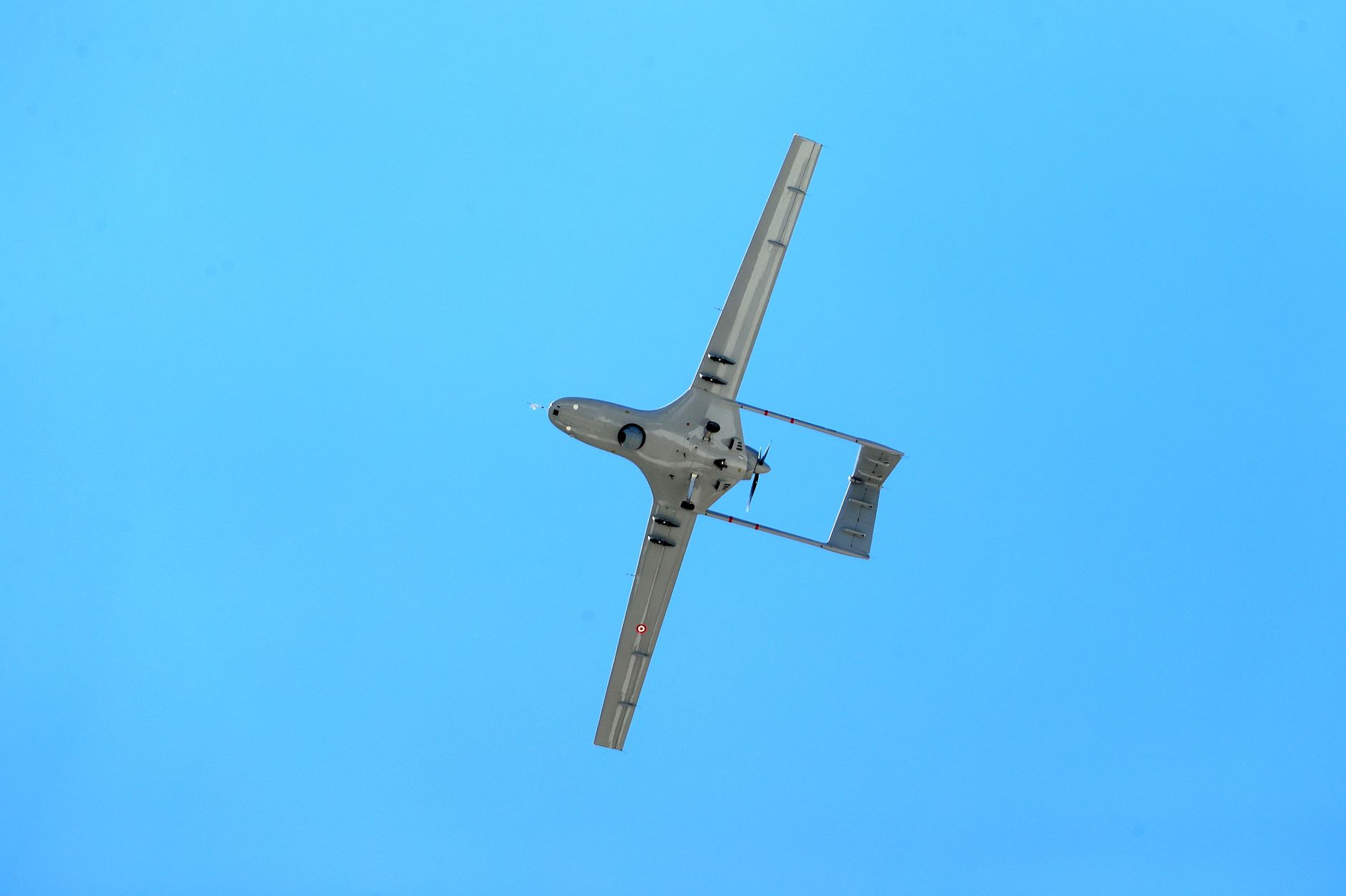
The Strait of Hormuz just got a whole lot hotter. President Trump announced Friday that Iran violated the fragile ceasefire by launching drone attacks on commercial ships in the strategic waterway. The International Maritime Organization, in a move that reeks of desperation, paused its evacuation efforts for stranded vessels after a cargo ship took a direct hit. No word yet on casualties, but the message is clear: the ceasefire is a joke, and Iran is the one laughing.
The Ceasefire That Wasn't
Let's be real. The so-called ceasefire between the U.S. and Iran was always a house of cards. Both sides agreed to stop shooting at each other back in April, but the fine print left plenty of room for mischief. Iran never promised to stop harassing commercial traffic. They just agreed not to attack American warships directly. And they've stuck to that—barely. But drone strikes on merchant vessels? That's a loophole you could drive an oil tanker through.
The Strait of Hormuz is the world's most critical oil chokepoint. About 20% of global petroleum passes through it. When Iran starts playing sniper with drones, the entire global economy holds its breath. And this time, they didn't just threaten—they actually hit something. The IMO's evacuation pause is a tacit admission that the situation is out of control. They can't guarantee safe passage. So ships sit there, floating targets.
"The ceasefire is a joke, and Iran is the one laughing."
Drone Warfare: The Coward's Weapon
Drones are the perfect tool for a state like Iran. They're cheap, deniable, and can strike with surgical precision—or cause chaos indiscriminately. The attack on the cargo vessel wasn't some military masterstroke. It was a warning shot across the bow of the entire international community. Iran is saying, "We can shut down the Strait whenever we want." And they're right.
The U.S. Navy has been stretched thin patrolling these waters. The Fifth Fleet, based in Bahrain, has its hands full just keeping piracy at bay. Now they're playing whack-a-mole with Iranian drones. The problem is that a $20,000 drone can take out a $200 million ship. It's asymmetric warfare at its finest—and most frustrating.
Trump's response was characteristically blunt. "They violated it," he said, referring to the ceasefire. But what's he going to do about it? Sanctions are already maxed out. Military retaliation risks a full-blown war. And the American public is war-weary. No one wants another Middle East quagmire. So the president is left with tough talk and impotent rage.
Shipping Companies Pay the Price
The real victims here are the seafarers and shipping companies. Their vessels are stuck in the world's most dangerous parking lot. The IMO's evacuation pause means those crew members are sitting ducks. Some ships have been stranded for weeks. Conditions are deteriorating—food and water are running low, and morale is in the toilet. It's a humanitarian crisis in slow motion.
Insurance premiums for transiting the Strait have skyrocketed. Some companies are refusing to send their ships through at all. That means longer routes, higher costs, and ultimately, consumers paying more at the pump. The global supply chain, already fragile, is taking another gut punch. And for what? So Iran can flex its muscles.
Iran's calculation is simple: create enough chaos to force the U.S. to negotiate on its terms. They want sanctions relief. They want to be treated as a regional power. And they're willing to hold the global economy hostage to get it. The drone attack is just another chip on the table.
What Happens Next?
Don't expect a quick resolution. The U.S. has few good options. Airstrikes on Iranian drone bases might satisfy the hawks, but they'll also kill civilians and invite retaliation. Diplomatic channels are all but dead. The ceasefire was already on life support. This attack just pulled the plug.
The real question is whether the international community can muster a unified response. So far, the UN Security Council has been paralyzed by Russian and Chinese vetoes. Europe is split—some countries want to appease Iran, others want to confront. The result is a lot of hand-wringing and no action.
Meanwhile, the ships remain stuck. The drones keep flying. And the Strait of Hormuz becomes a graveyard for diplomatic hopes.
A Final, Bleak Thought
The irony is that everyone saw this coming. The ceasefire was a Band-Aid on a bullet wound. Iran never stopped its destabilizing activities; it just changed tactics. And the U.S., for all its bluster, never had a plan for what to do when the ceasefire failed. Now we're watching the inevitable unfold in real-time.
The Strait of Hormuz is a reminder that some problems don't have easy solutions. Sometimes you just have to watch the world burn—and hope you're far enough away to feel only the heat, not the flames.