Tehran's latest flex is a bluff wrapped in a threat. For weeks, Iranian officials have been dropping hints about closing the Strait of Hormuz — the narrow waterway through which a fifth of the world's oil passes. They want the world to believe they'd happily torch the global economy to extract concessions on their nuclear program. But here's the thing: they won't. And if they keep playing this game, they'll end up a pariah state with no friends and a shattered economy.
Strait talk is cheap — for now
Iran has threatened to shut the Strait of Hormuz at least five times in the last two decades. Each time, the bluff was called. In 2012, when Western sanctions squeezed Iran's oil exports, Revolutionary Guard commanders promised to turn the strait into a 'minefield.' Nothing happened. In 2019, after the US killed Qassem Soleimani, they swore revenge on shipping lanes. Nothing happened. The pattern is clear: Iran talks big, then backs down.
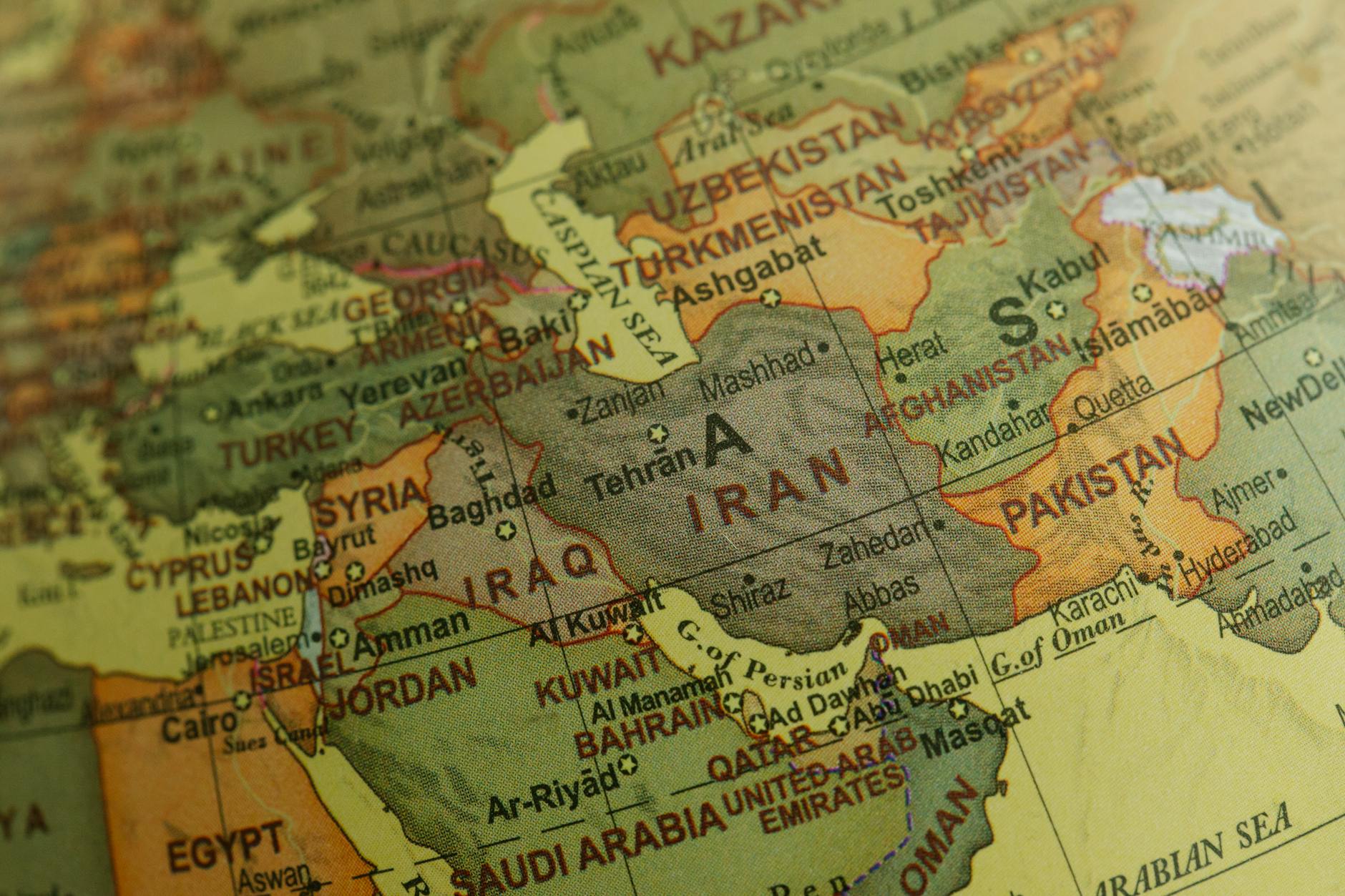
The reason is simple math. Iran's economy depends on oil exports — about 60% of government revenue comes from crude. If they block the strait, they cut off their own cash flow too. The US Navy's Fifth Fleet is parked in Bahrain, ready to clear any mines or block any Iranian boats within hours. The strait is only 33 kilometers wide at its narrowest point, but it's the most heavily militarized waterway on Earth. Any Iranian attempt to close it would be met with overwhelming force.
"Iran's leaders aren't stupid. They know a shutdown means war with the US and its allies — a war they cannot win."
The global stakes are too high
Over 20 million barrels of oil pass through the Strait of Hormuz every day — that's roughly 20% of global consumption. The US, China, India, Japan, and all of Europe depend on that flow. If Iran actually disrupted it, oil prices would spike past $200 a barrel within a week. The global recession that followed would make 2008 look like a mild hiccup. Tehran knows this. So does Washington. That's why both sides have always kept the strait open — it's a suicide pact, not a bargaining chip.
But the real danger isn't a physical blockade. It's the slow erosion of trust. Every time Iran threatens the strait, it alienates potential allies. China, Iran's biggest customer for oil, has publicly stated it opposes any disruption to shipping lanes. Russia, which sells its own oil to Europe, has no interest in a blockade that would undermine global markets. Even regional rivals like Saudi Arabia and the UAE have quietly warned Iran that a strait closure would cross a red line.
Pariah status isn't a threat — it's a future
Iran is already isolated. The US sanctions regime has frozen over $100 billion in Iranian assets and slashed its oil exports from 2.5 million barrels per day in 2018 to under 500,000 today. The 2015 nuclear deal gave Iran a lifeline — sanctions relief in exchange for limits on enrichment. But after Trump pulled out, Iran restarted centrifuges and enriched uranium to 60% purity, just short of weapons-grade. The mullahs thought that brinkmanship would force the West back to the table. Instead, it united Europe, the US, and Israel in a campaign of maximum pressure.
The latest threat to the Strait of Hormuz is just another move in a losing game. Iran wants to be treated as a regional power, but it acts like a cornered gangster. The more it threatens global trade, the more countries will band together to contain it. Look at what happened to North Korea: decades of nuclear threats turned it into a hermit kingdom with a starving population. Iran is following the same playbook, but without the nuclear bomb — yet.
"The strait threat is a cry for help from a regime that's run out of options. But the world is tired of Iranian bluffs."
What comes next?
Expect more saber-rattling from Tehran. They'll send speedboats to harass tankers, maybe fire a warning shot. But they won't close the strait. The real danger is miscalculation — a minor incident that spirals into a major confrontation. An Iranian patrol boat collides with a US destroyer. A mine damages a Chinese tanker. In the fog of the Persian Gulf, accidents happen. But even then, the outcome is predictable: the US and its allies will restore order by force, and Iran will be blamed for the chaos.
Iran's best move is to stop threatening and start negotiating. The strait card is a losing hand. Play it too many times, and the world will stop seeing Iran as a negotiating partner and start seeing it as a rogue state that needs to be neutralized. That's not a threat — it's a forecast.