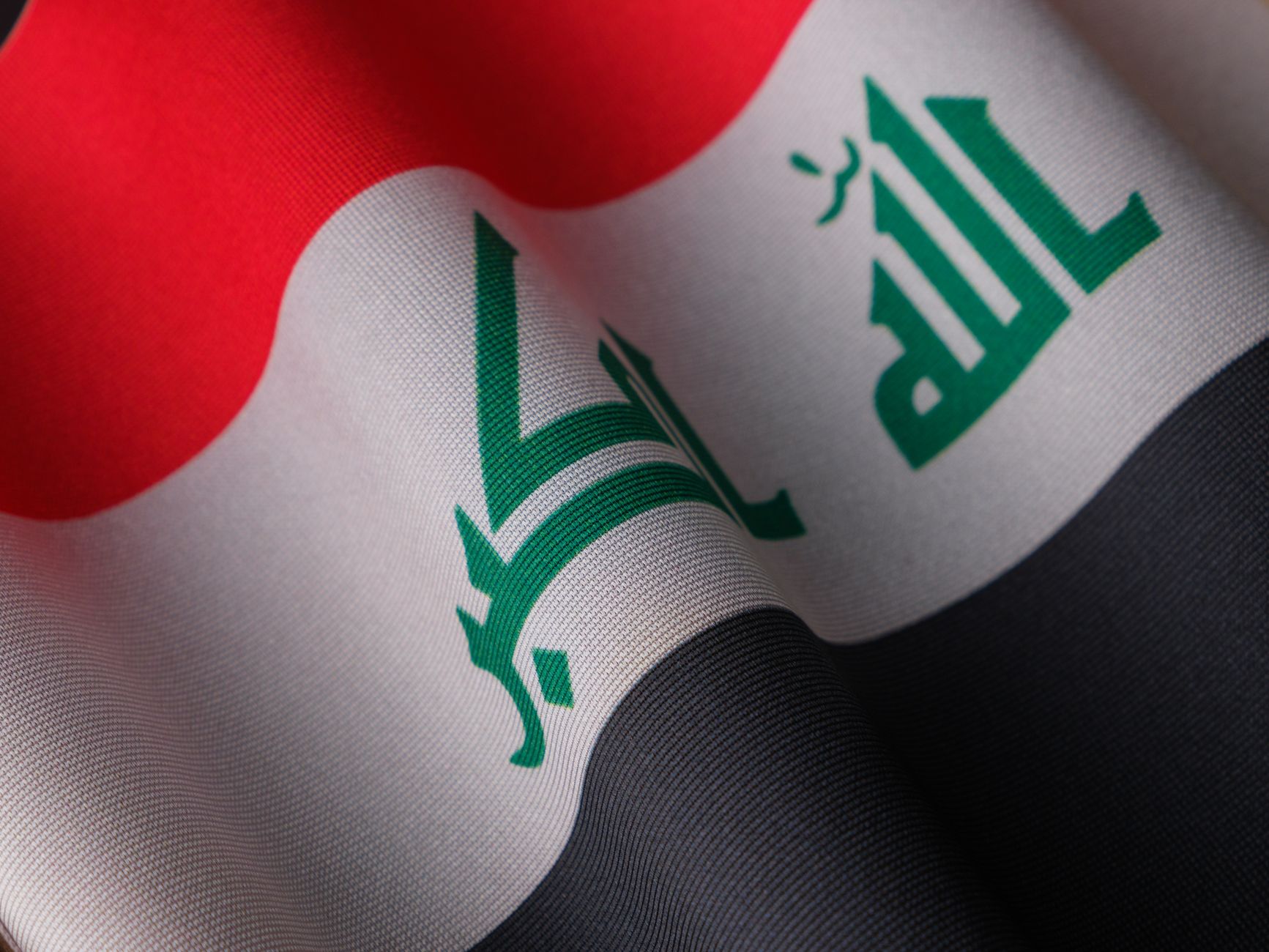
Iraq just threw a grenade into the OPEC meeting room. The message from Baghdad is simple: let us pump more oil, or we walk. And if Iraq walks, the cartel might as well start drafting its own obituary.
For years, OPEC has survived on a diet of shaky compromises. Saudi Arabia plays daddy, the Gulf states fall in line, and everyone else grumbles. Iraq has been grumbling louder than most. It’s got the second-largest oil reserves in the world, a population that needs jobs, and a government sick of production quotas that feel like a straitjacket. The ultimatum – reported by Reuters on Thursday – isn’t a bluff. Iraq’s oil minister Ihsan Abdul Jabbar Ismaael told reporters that if OPEC doesn’t approve a significant production increase by the next meeting, “we will have no choice but to leave the organization.”
Why Iraq Feels Cheated
Iraq’s beef is simple: OPEC’s quota system is rigged. The cartel caps output to keep prices high, but the caps are based on historical production levels. That penalizes countries that have invested heavily in new capacity. Iraq has spent billions bringing online new fields in Basra and the north. Yet it’s forced to pump at levels set years ago, when its infrastructure was in ruins. Meanwhile, Saudi Arabia – the de facto king – has spare capacity it can turn on like a faucet. Iraq sees a double standard.
The numbers tell the story. Iraq’s sustainable capacity is around 5 million barrels per day. But under OPEC+ cuts, it’s limited to about 4.3 million. That’s nearly 700,000 barrels a day left in the ground. At $70 a barrel, that’s close to $18 billion a year in lost revenue. For a country rebuilding after decades of war, that’s not just frustrating – it’s infuriating.
“Iraq is the biggest loser under the current quota system. Every day they’re not pumping at full capacity, they’re burning money.” – Oil analyst at Energy Aspects
The Cartel’s Cracks Are Showing
OPEC has always been a fragile alliance. It works only when the biggest producer – Saudi Arabia – is willing to shoulder the burden of cuts. But the Saudis have their own problems. They need high oil prices to fund Vision 2030, the massive economic transformation plan. That means keeping the cartel together, even if it means alienating Iraq. But the cracks are widening. Nigeria and Angola have routinely cheated on their quotas. The United Arab Emirates has threatened to quit before. And now Iraq, the second-largest producer in the group, has its finger on the eject button.
If Iraq leaves, it’s not just a symbolic loss. The cartel’s combined output would drop by about 10%, but more importantly, the psychological cohesion would shatter. Other members would see that the exit door is open. The UAE, which has long complained about its own quota, would be next in line. Before you know it, OPEC becomes a rump group of Saudi Arabia, Kuwait, and a few loyalists – basically a Gulf club with no global leverage.
What Happens to Oil Prices?
The immediate reaction to Iraq’s threat was a 2% dip in Brent crude. That’s the market saying: “We’ve seen this movie before.” But this time might be different. If Iraq actually walks and starts pumping at full capacity, the market could be flooded with an extra 700,000 barrels a day. That’s not enough to crash prices on its own, but it would start a race to the bottom. Other quota-cheaters like Nigeria and Libya would ramp up too. Saudi Arabia would be forced to either cut deeper to defend prices, or flood the market itself to punish the defectors. The latter is the nightmare scenario – a price war that sends oil back to $40.
For now, the Saudis are playing nice. They’ve reportedly offered Iraq a modest quota increase, but not the “significant” boost Baghdad is demanding. That’s a game of chicken. And Iraq may have the stronger hand, because the kingdom can’t afford to lose its second-largest member while the world is watching.
The Human Truth: Sovereignty vs. Solidarity
This isn’t just about barrels and quotas. It’s about the tension between national interest and collective action. Iraq is a country that has been told what to do for decades – by Saddam, by sanctions, by war, by the US, and now by OPEC. The ultimatum is an assertion of sovereignty. “We are a major oil nation, and we will decide our own future.” That’s a powerful narrative inside Iraq, where anti-interference sentiment runs deep.
At the same time, OPEC represents the idea that the world’s oil producers can cooperate to stabilize markets. It’s a form of globalism in a sector that is inherently unstable. Iraq is testing whether that globalism is worth the cost. The answer might be no – especially when the cost is billions in lost revenue.
The Verdict
The Iraqi threat is the most serious challenge to OPEC’s authority since the 2014 price war. It’s not a negotiating tactic; it’s a demand backed by the ability to walk away. The cartel will likely cave – give Iraq a bigger quota to save face – but the damage is done. The myth of OPEC unity is exposed. From now on, every member will know that the exit door is unlocked.
OPEC won’t die overnight. But Iraq just hammered the first nail into the coffin. The question is how many more will follow.