The storm came early Tuesday, but it wasn't the only thing crashing down on Philadelphia. Iraq's World Cup fairytale ended with a 2-0 loss to France. Yet, if you walked through the streets of South Philly after the final whistle, you wouldn't have guessed they'd lost.
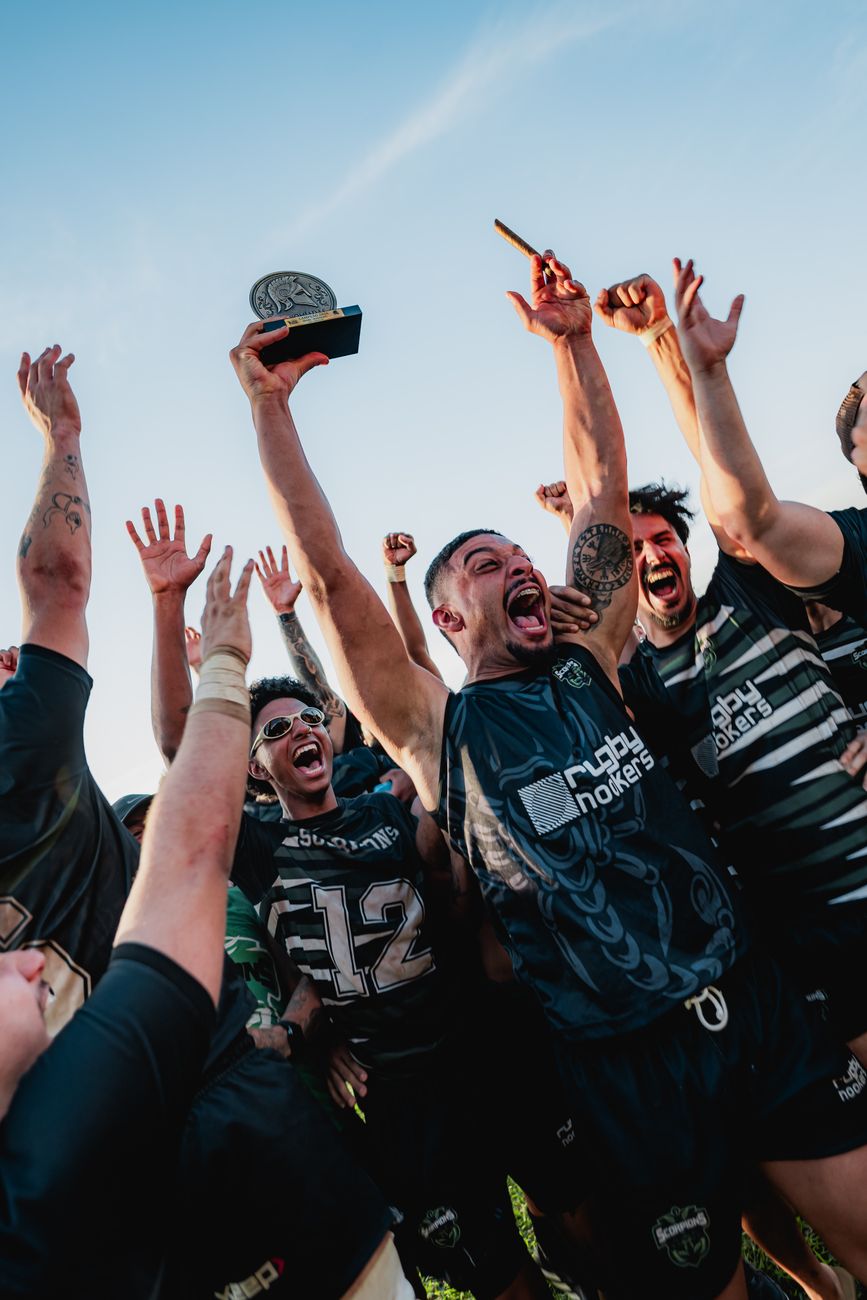
Thousands of Iraqi fans, draped in flags and keffiyehs, filled the parking lots outside Lincoln Financial Field. They danced. They sang. They chanted until their voices cracked. Because this wasn't about winning a trophy. It was about being here at all.
Mbappe's Magic — and a Thunderstorm
The match was already a brutal test. France's Kylian Mbappe, as electric as ever, tore through Iraq's defense like a knife through wet cardboard. His first goal came in the 23rd minute — a low drive that skipped past the keeper. The second, a header off a corner, felt like a death knell.
Then the sky opened. Lightning forced a 45-minute delay. Fans huddled under awnings, selling cups of chai from thermoses, laughing as the rain soaked their flags. 'This is nothing,' said Ali Hassan, a 34-year-old from Baghdad. 'We survived worse than a little water.'
'We survived worse than a little water.' — Ali Hassan, Iraqi fan
When play resumed, Iraq's legs were heavy. The dream was slipping. But no one left.
More Than a Game
Let's be clear: Iraq had no business being in the Round of 16. Ranked 68th in the world, they snuck past Japan on penalties in the group stage. Their squad features players from the Iraqi Premier League — a league that nearly collapsed during the war. Their coach, a 52-year-old Basque named Jesus Casas, had never coached a national team before.
But they fought. Against Argentina, they held them to a draw. Against France, they absorbed pressure for 90 minutes. They didn't embarrass themselves. And that, in the eyes of their fans, is a victory.
'I am so proud,' said Fatima al-Jubouri, a Philadelphia college student who drove six hours from Ohio. 'My father used to tell me about watching Iraq play in the 1980s. Now I can tell my children I saw them in the World Cup.'
The Diaspora's Moment
Philadelphia's Iraqi community, one of the largest in the U.S., turned out in force. The parking lots smelled like lamb kebabs and diesel generators. A man played an oud, the Iraqi lute, while kids kicked a soccer ball between parked cars.
'This is the most Iraqis I've seen since the last election,' joked Ahmed al-Rawi, a restaurant owner who closed his shop for the match. 'We needed this. We needed something to celebrate.'
He's right. Iraq's recent history is a litany of pain — war, occupation, sectarian violence, corruption. The World Cup team gave them a rare unifying force. When the national anthem played before the match, even the American-born kids stood still.
What Comes Next
The loss means Iraq goes home. But the team's performance has already sparked something. The Iraqi Football Association announced plans to invest in youth academies. Players like striker Aymen Hussein, who scored two goals in the tournament, are attracting interest from European clubs.
'This generation proved we can compete,' said midfielder Ibrahim Bayesh. 'We will be back.'
Maybe. But for now, the fans in Philadelphia aren't worried about the future. They're living in the moment. As the final whistle blew, the rain stopped. A rainbow stretched over the stadium. Someone started a chant: 'Iraq, Iraq, Iraq.'
They lost the match. But they found something bigger.