The Palestinian Interior Ministry confirmed Friday that an Israeli airstrike on a vehicle in central Gaza killed three police officers, escalating tensions in the region as ceasefire talks remain stalled.
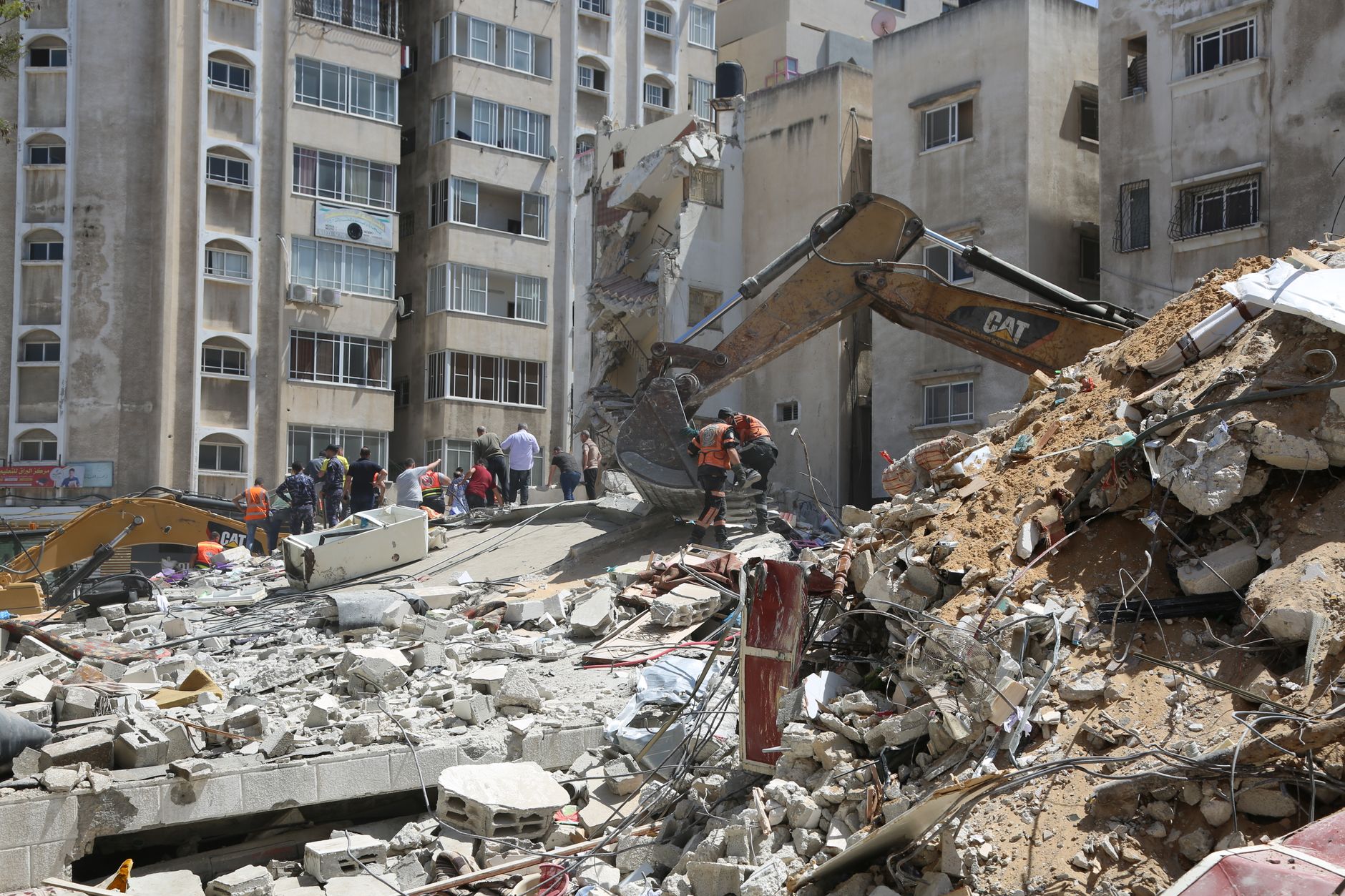
The attack struck near the Maghazi refugee camp, a densely populated area that has seen repeated bombardment since the start of the conflict. Witnesses reported a drone-fired missile hitting a white sedan traveling on a main road, igniting a fireball that incinerated the vehicle.
"These were officers performing their duties to protect civilians," said Interior Ministry spokesman Iyad al-Bozom in a statement. "This is a clear violation of international law."
The Israeli military had no immediate comment but has previously stated it targets militants. However, the victims' families and local officials insist they were not armed and were on a routine patrol.
A pattern of police killings
This attack is not an isolated incident. Since fighting resumed in October 2023, Israel has repeatedly targeted Palestinian police and civil defense personnel, claiming they are linked to Hamas. But critics argue that targeting uniformed officers undermines public order and civilian security.
According to the Palestinian Ministry of Health, at least 150 police officers have been killed in Israeli strikes since the war began. Human rights groups have condemned these attacks as potentially disproportionate or indiscriminate.
"Killing police officers who are not actively engaged in hostilities is a violation of the laws of war," said Omar Shakir, Middle East director at Human Rights Watch.
The United Nations has documented several similar incidents, including a May 2025 strike on a police station that killed 22 officers. In each case, Israel provided no evidence that the targets were combatants.
Gaza's police force decimated
The targeting of police has crippled Gaza's ability to maintain law and order. Looters and gangs now operate with impunity in many areas, and residents say they feel abandoned by both the international community and their own authorities.
"Who will protect us if the police are killed?" asked Umm Ahmed, a mother of four living near the attack site. "We have no safety, no justice."
The Interior Ministry said the three officers killed Friday were part of a unit tasked with securing aid convoys. Their deaths mean fewer escorts for desperately needed food and medicine deliveries.
Ceasefire talks falter
The strike comes as indirect negotiations between Israel and Hamas, mediated by Egypt and Qatar, have stalled over disagreements on prisoner exchanges and the withdrawal of Israeli troops from the Philadelphi Corridor.
Israel insists on maintaining a security zone along the Gaza-Egypt border to prevent weapons smuggling, while Hamas demands a complete withdrawal. Meanwhile, fighting continues with no end in sight.
The Biden administration has repeatedly called for restraint but has continued to supply Israel with arms. On Thursday, the White House approved a new $1 billion weapons sale, drawing condemnation from humanitarian organizations.
"The United States is complicit in these attacks," said Sarah Leah Whitson, executive director of Democracy for the Arab World Now. "Every bomb dropped on Gaza carries American taxpayers' fingerprints."
What comes next
For the families of the three policemen, there is no justice in sight. No international court has intervened, and the Security Council remains paralyzed by U.S. vetoes. The men will be buried in a cemetery that is itself a frequent target of shelling.
Their names: Muhammad al-Masri, 34; Tamer Abu Zaid, 41; and Khalil al-Haj, 39. Fathers, brothers, sons. They leave behind 11 children.
The attack on their car is a microcosm of a war that has killed over 150,000 Palestinians since October 2023, according to Gaza's health ministry. A war where even those who enforce the law are not safe from the bombs.
And the silence from the outside world remains as loud as the explosions.