Nairobi — Two years to the day after police opened fire on Gen Z protesters, killing 47, Kenya's parliament passed the same bill that sparked the bloodshed. The Public Order Amendment Act of 2026 is now law. And the young people who flooded the streets in 2024 say they haven't forgotten.
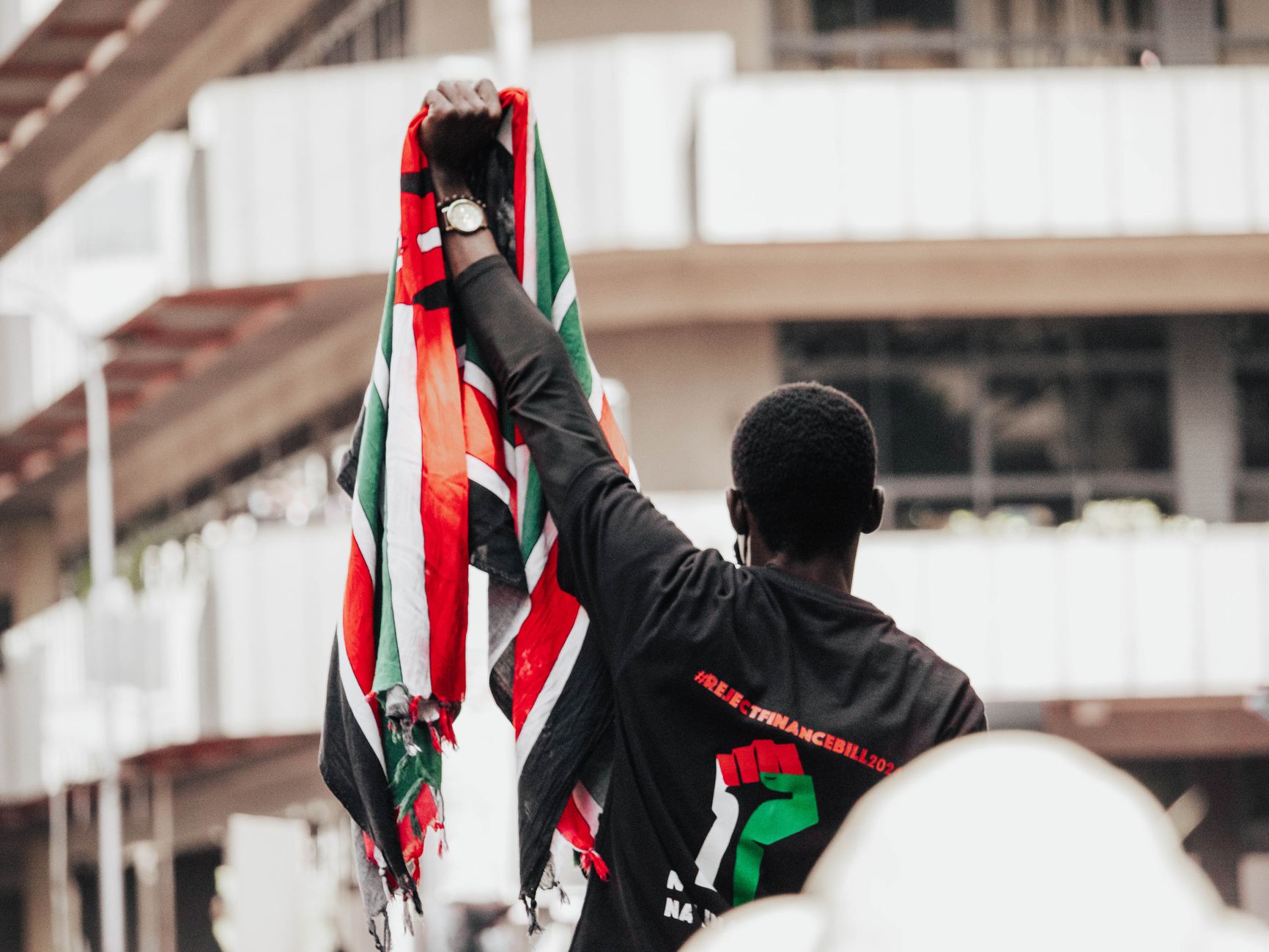
The vote was 167 to 43. No debate. No amendments. Just a gavel and a standing ovation from the ruling party benches. Outside, a few hundred protesters chanted 'Kenyans don't forget' before rioters lobbed tear gas into the crowd. It was a muted echo of the 2024 uprising that paralyzed the country for weeks.
What the Bill Actually Does
The law requires organizers of any public gathering to register with the police 14 days in advance. It gives the Inspector General power to ban protests deemed 'likely to cause public disorder.' And it imposes sentences up to five years for 'incitement to protest' — a phrase critics say is deliberately vague.
'This is the same bill that killed my brother,' said Akinyi Otieno, 23, whose sibling was shot in the back during the 2024 protests. 'They waited for the cameras to leave, and then they passed it.'
President William Ruto, who was vice president at the time of the protests, has defended the law as essential for public safety. 'In every democracy, there must be order,' he said in a press conference Thursday. 'We cannot have chaos in the name of protest.'
'This is the same bill that killed my brother. They waited for the cameras to leave, and then they passed it.' — Akinyi Otieno, 23
The 2024 Protests: A Flashpoint
In June 2024, hundreds of thousands of Kenyans — mostly Gen Z — took to the streets after a leaked draft of the bill surfaced. What started as a hashtag became a movement. For 12 days, protesters occupied major intersections in Nairobi, Mombasa, and Kisumu. They demanded the bill be scrapped and President Ruto resign.
The government responded with live ammunition. On June 25, 2024, police killed 47 people in a single day. Another 300 were wounded. The protests fizzled after a state of emergency was declared. A commission of inquiry later blamed police for 'excessive force' but charged no one.
'The state used our youth as target practice,' said opposition leader Raila Odinga in a statement. 'Now they are legislating their murder.'
What Changed? Not Much
Between 2024 and 2026, the bill sat in committee. The government claimed it was 'listening to stakeholders.' Human rights groups held workshops. The UN special rapporteur visited. But the final text is nearly identical to the 2024 draft.
One change: the waiting period for protest permits was reduced from 21 days to 14. 'A cosmetic change,' said Muthoni Wanjiku, a constitutional lawyer at the University of Nairobi. 'The core remains regressive. It criminalizes dissent.'
The law also includes a provision requiring protest organizers to provide 'demographic data' of expected attendees. Critics say this is a data grab, a way for the state to target activists.
The Gen Z Dilemma: To Protest or Not
Kenya's Gen Z — the largest demographic in the country — is split. Some, like Otieno, vow to challenge the law in court. Others say street protests are the only language the government understands. A third group has simply disengaged.
'I'm tired,' said James Kamau, 24, a software developer who participated in the 2024 protests. 'We marched, we tweeted, we wrote petitions. And they still passed it. What's the point?'
That exhaustion is exactly what the government is counting on. By waiting two years, the narrative shifted. The 2024 protests became a memory. The economy improved slightly. Unemployment dropped from 40% to 36%. Enough people are comfortable enough to ignore the law — for now.
What's at Stake
Kenya has a long history of protest — from the Mau Mau uprising to the 2007 post-election violence. Street action has been a check on power. The Public Order Amendment Act puts that check under state control.
International observers have condemned the law. The US State Department called it a 'dangerous precedent.' Amnesty International said it 'could spark a new wave of repression.' But Kenya is a sovereign nation, and Ruto has made clear he values order over dissent.
The real test will come when someone tries to protest again. Activists plan a nationwide strike on July 1, the day the law takes effect. If the government enforces it harshly, the streets could fill again. If the protests are ignored, the law becomes a dead letter.
The Verdict
Kenya's parliament passed the controversial bill because it could. The protests of 2024 were loud, but they didn't change the power structure. The same party rules. The same police enforce. The same families grieve.
'We won the streets but lost the law,' Otieno said. 'Now we have to win the courts.'
She paused. 'Or we go back to the streets.'