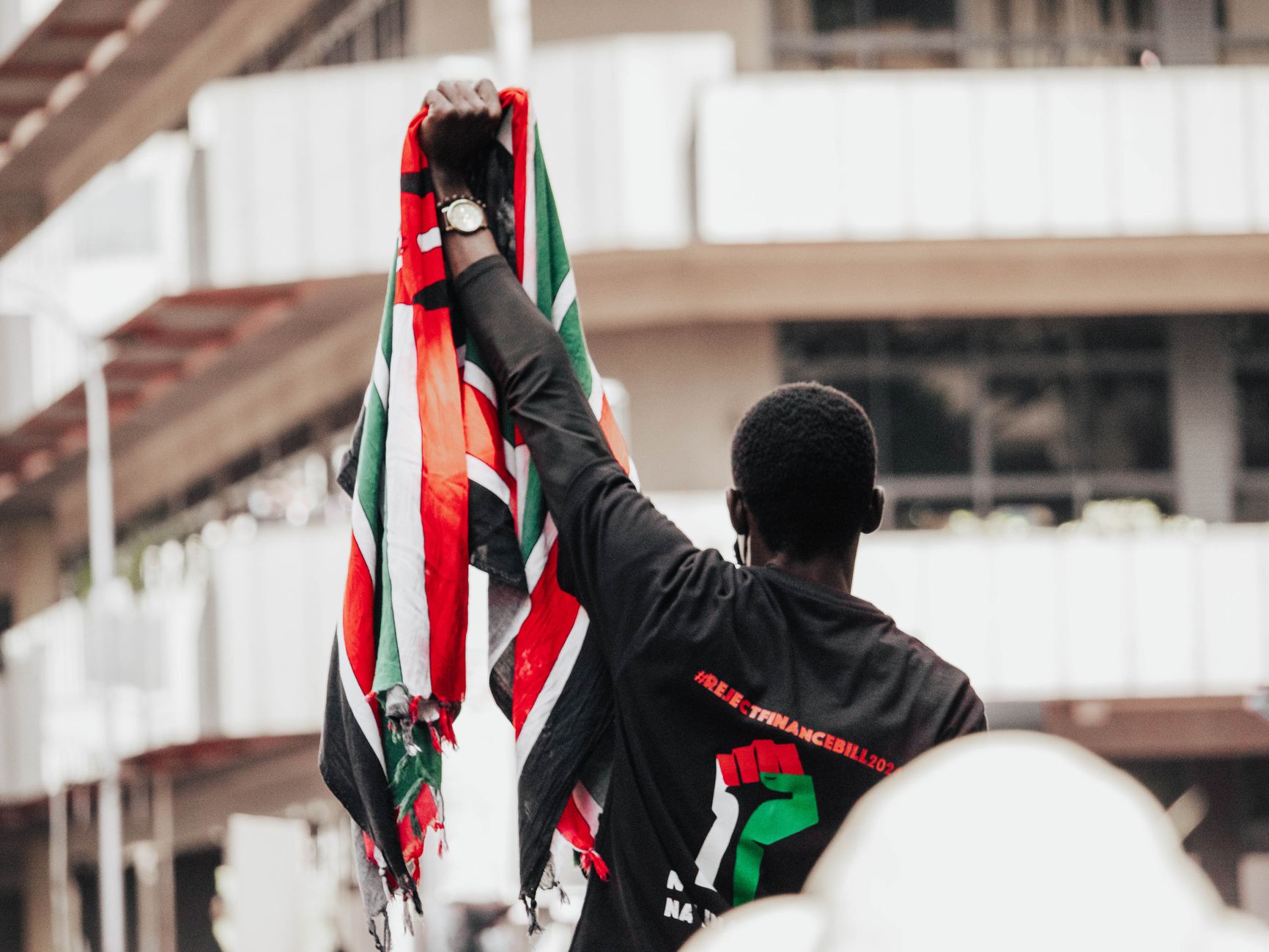
The streets of Nairobi are about to get loud again. Two years after Gen Z protests brought President William Ruto's government to its knees, thousands of young Kenyans are gearing up for a sequel. Same anger. Same energy. But this time, the stakes are higher.
It started with a tax bill. In June 2024, the Finance Bill proposed a 16% VAT on bread—a staple for millions. For a generation already crushed by unemployment and the cost of living, that was the final straw. What began as Twitter hashtags exploded into street protests that paralyzed the capital.
The spark that lit the fire
On June 18, 2024, a few hundred protesters gathered at Nairobi's Uhuru Park. They were mostly young, armed with smartphones and homemade signs. "Bread is life, not luxury," one read. The police showed up with tear gas. That's when the world noticed.
Within days, the protests spread like wildfire. From Mombasa to Kisumu, young Kenyans poured into the streets. They weren't just protesting bread tax—they were venting years of frustration. Corruption, unemployment, police brutality. Ruto's government had promised a "bottom-up" economy. Instead, they got more of the same.
"We're not asking for handouts. We're asking for a country that works." — Nairobi protester, June 2024
How Ruto fumbled the response
The government's initial reaction was pure tone-deaf. Ruto called the protesters "criminals" and threatened a crackdown. Then the videos started surfacing—police beating teenagers, journalists arrested, live bullets fired into crowds. The international community condemned. The Kenyan shilling tanked.
By July, Ruto had to cave. He withdrew the tax bill and fired half his cabinet. But the damage was done. The protests had exposed a deep generational rift. Young Kenyans realized they had power—and they weren't afraid to use it.
Why they're coming back
So why now? Two years later, the underlying problems haven't disappeared. Unemployment is still above 30% for under-25s. The cost of living is still brutal. And a new tax proposal—this time on fuel—is making the rounds. For Gen Z, it's déjà vu with interest.
Organizers say the upcoming protests won't be a repeat. They're better organized, more strategic. Social media channels are buzzing with encrypted plans. The police are nervous. The government is scrambling.
"They thought we'd grow tired. They thought we'd get jobs and forget. They were wrong." — Protest organizer, June 2026
The bigger picture
This isn't just about Kenya. East Africa is watching. Similar movements have sparked in Uganda and Tanzania. Gen Z across the continent is realizing that their governments are vulnerable. A few thousand people with TikTok accounts can bring a presidency to the brink.
Ruto's government is caught between a rock and a hard place. Give in to protesters, and you look weak. Crack down, and you risk international isolation. Either way, the youth vote in 2027 will be unforgiving.
What happens next
No one knows if this wave will be bigger than 2024. But one thing is certain: Kenya's Gen Z has learned a lesson. They don't need political parties. They don't need elite approval. All they need is a reason to march—and a government that keeps giving them one.
I'll be on the ground in Nairobi next week. I'll talk to the kids who are risking everything. I'll watch the police lines and count the tear gas canisters. Because this story isn't over. It's just entering its next chapter.
The question Ruto's government should be asking: what happens when bread is no longer the issue—and the target becomes the system itself?